




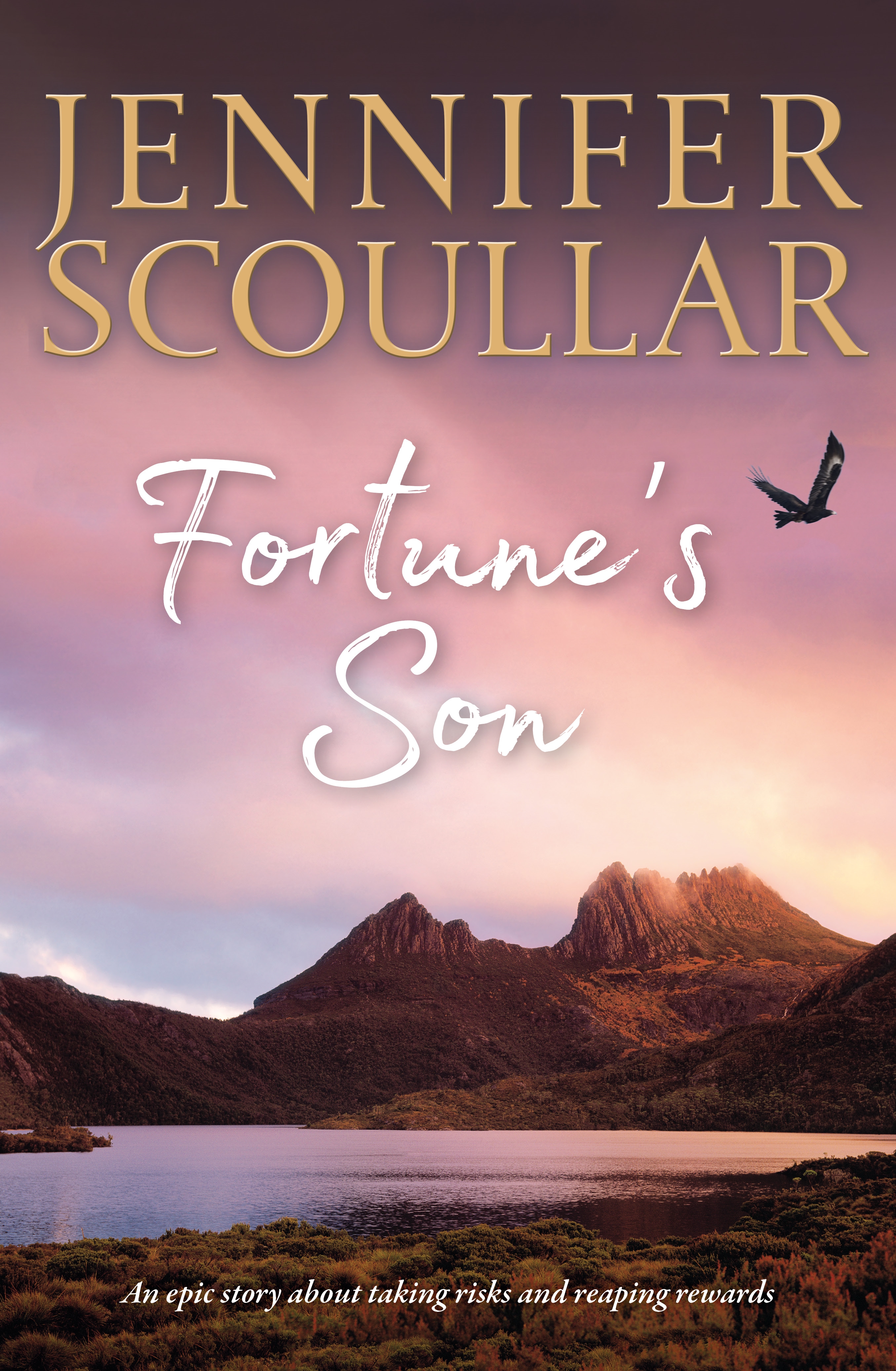
Luke Tyler, aged 14, lives with his family in a peaceful, if poor, existence in the Tasmania of 1882. He benefits from the tutelage of conservationist Daniel Campbell.
Luke witnesses the rape of his sister, Becky, and he is sent to prison for attacking the perpetrator, wealthy pastoralist Henry Abbott. Alert to opportunity, Luke escapes, surviving off the bush and starting a journey of many decades as a fugitive, in which he takes on various disguises. First he hides in plain sight under a pseudonym at the Campbell estate, falling in love with Daniel’s daughter, Belle. But his life is hijacked by Henry Abbott’s son, Edward, who has the position, power and wealth to give Belle the life she deserves in high society. The title of this book, throughout most of its length, mocks the experiences of Luke as he endures one injustice after another. Tragic circumstances prompt him to flee to South Africa, where his fortune finally changes.
Although the period in which the novel is set is mentioned only twice, the text is peppered with references to the era, including the artists Arthur Streeton, Frederick McCubbin and Tom Roberts, and the literature of Dickens, Thackeray and George Borrow. The subservient position of women at this time is epitomised by the physical constraints imposed by whalebone corsets and the rebellion of intelligent women who long for freedom.
The fate of thylacines (or Tasmanian tigers), destroyed through the consequences of the Bounty Scheme Bill, as well as the fates of other animals feature as an intriguing secondary narrative to the human plot.
With smatterings of romance, betrayal, death and discovery, Fortune’s Son is a captivating historical Australian drama. The ruggedly beautiful and pristine landscape provides a stunning backdrop to the interactions of the characters, and its wildness complements the early attempts of women to free themselves from the constraints of a male-dominated society.
Reviewed by Esther Perry



0 Comments