




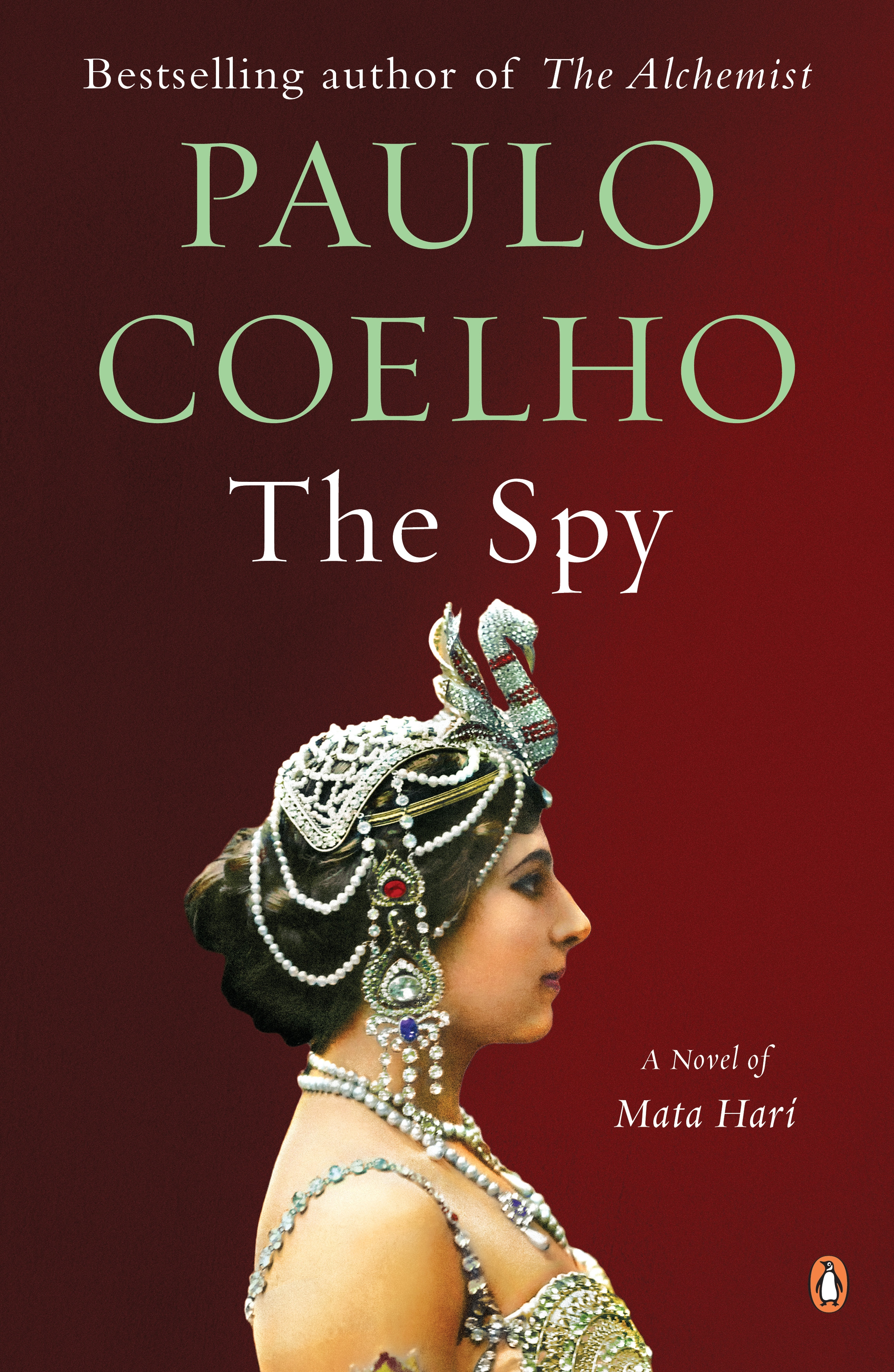
Mata Hari, convicted of being a spy for Germany, was executed on 15 October 1917. She refused a blindfold.
Paulo Coelho argues that Margaretha Zelle (stage name: Mata Hari) was not guilty of espionage. She only traded gossip picked up from Parisian high-society salons. By using her wits, she convinced the Germans that these bits of tittle-tattle were secrets worth paying for.
From an early age Margaretha would tell fibs. This trait was so out of control that she had to expend great mental energy to cover her blunders. The men in her life didn’t care. She was beautiful and affectionate. They were more than happy to listen to her stories, true or false, and pay handsomely with expensive presents. In one celebrated example she received a country mansion for her exclusive use. She was expert in giving pleasure and could rattle off endearments in five languages.
This propensity to lie not only got her into serious trouble in court when she was fighting for her life but it also makes it difficult for researchers to discern truth from fiction.
She claimed that, at age 16, she had been raped by her boarding school headmaster. From that point on she associated the sexual act as something mechanical that had nothing to do with love.
Mata Hari is one of history’s most enigmatic women. She met Freud and Picasso, disliked Nijinsky and admired Oscar Wilde. Her life’s journey is one of mystery, pain, riches and penury. Her sealed trial documents are to be declassified by the French government this October, exactly 100 years after her execution. Whether or not there’s been a miscarriage of justice will be assessed then.
Reviewed by Clive Hodges



0 Comments