




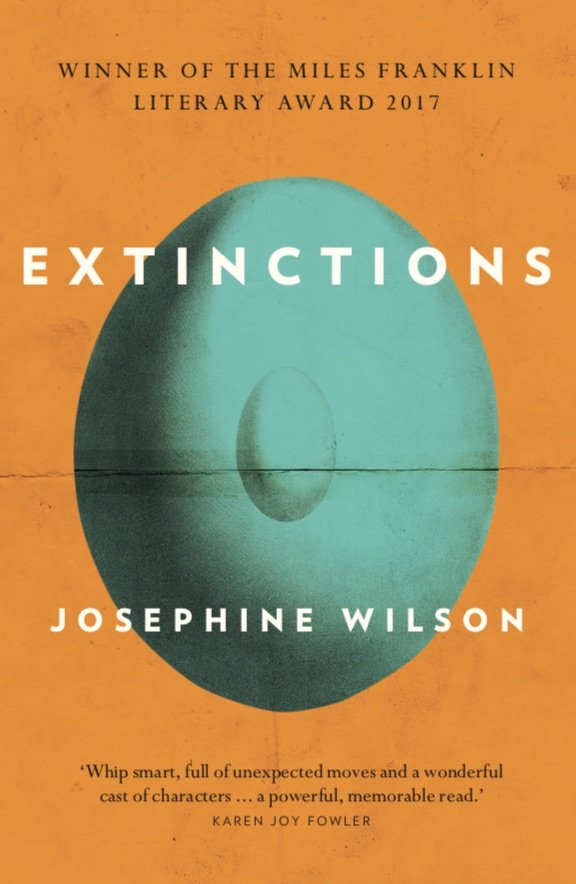
This is a novel about being lost, being found, and about the extinction of species, of feelings, and family. And rattling around throughout it is Professor Frederick Lothian, aged 69, an initially unlikeable character. He lives in a retirement village that he hates. His wife is dead and his two children are alienated from him.
He is exasperatingly insular, clinging to objects he has collected over many years, so his small villa is congested with the debris of his life, along with that of his late wife.
Fred is hauled out of his depressing existence, with only his memories for company, by his energetic neighbour Jan. While she led an interesting life with her late husband, her only child died in tragic circumstances and, at 70, she feels compelled to take care of her five-year-old grandson.
Fred’s memories show a past that he gradually accepts but which he fled from at the time. While most residents of the retirement facility are scared witless of losing their memories, he finds it much more terrifying to put up with their eternal return. His memories, along with those of his daughter, reveal a less-than-perfect marriage and family from the past, in which the emotionally constipated Fred was most likely to bolt into his study rather than deal with life.
The lives of his anthropologist daughter and his son have been affected by their parents, and while the novel ends with Fred planning something utterly at odds with his previous self-centred existence, it’s not clear if it will it really happen. The author won the 2015 Dorothy Hewett Award for an Unpublished Manuscript for this thought-provoking read.
Reviewed by Jennifer Somerville



0 Comments