




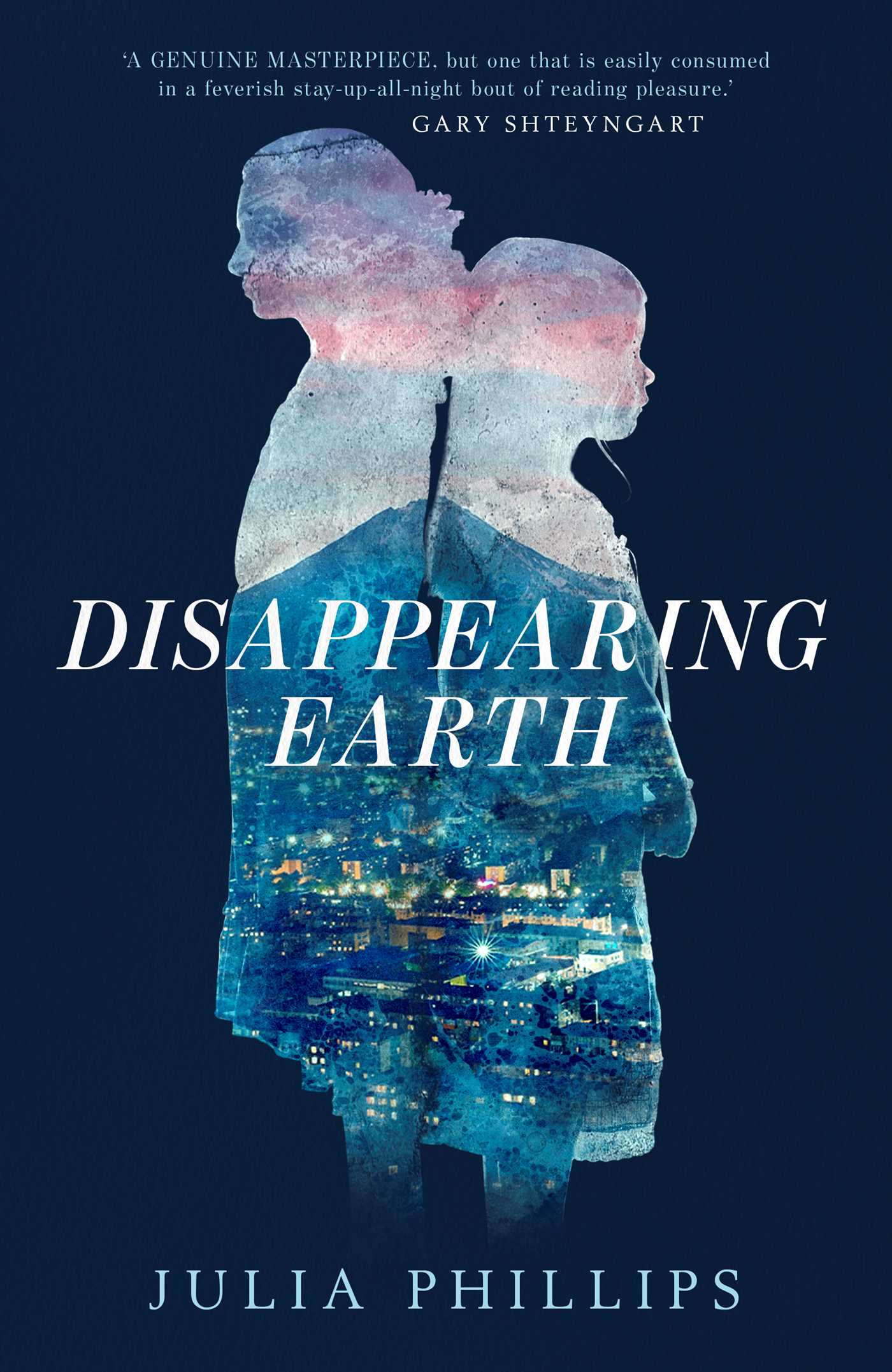
It’s a warm August afternoon. Eleven-year-old Alyona has spent the summer holidays with her little sister Sophie, who is eight, though only looks six. Today they have had their toes in the water, walking along the shoreline until they left civilisation behind. As they pick their way across the terrain, balancing on the rocks, they see a man coming towards them. When they look again he is gone. As they slowly wind their way back to town they suddenly come across the man again, sitting on the path with his legs stuck straight out. He asks if the girls can help him. He’s sprained his ankle. Alyona offers to go for help. He says his car is close by, if they could just stay with him to make sure he doesn’t fall. The girls do not return home that afternoon as their mother expects.
Disappearing Earth had me by the throat to start but didn’t maintain enough of that momentum to keep me totally engaged. Each of the following chapters focuses on the next 12 months after the girls’ disappearance, with each chapter introducing us to new characters. This pace slows considerably, the initial mystery fading into the periphery as we are introduced to different women in the village. I found it difficult to be connected to new characters, and some confusion began to slip in. I wanted each new character to have more of a connection to the disappearance as well.
Having said that the writing is strong and the vivid descriptions of a relatively unknown part of Russia, the Kamchatka Peninsula, give a wonderful sense of place. It’s a good debut.
Reviewed by Alice Wilson



0 Comments