

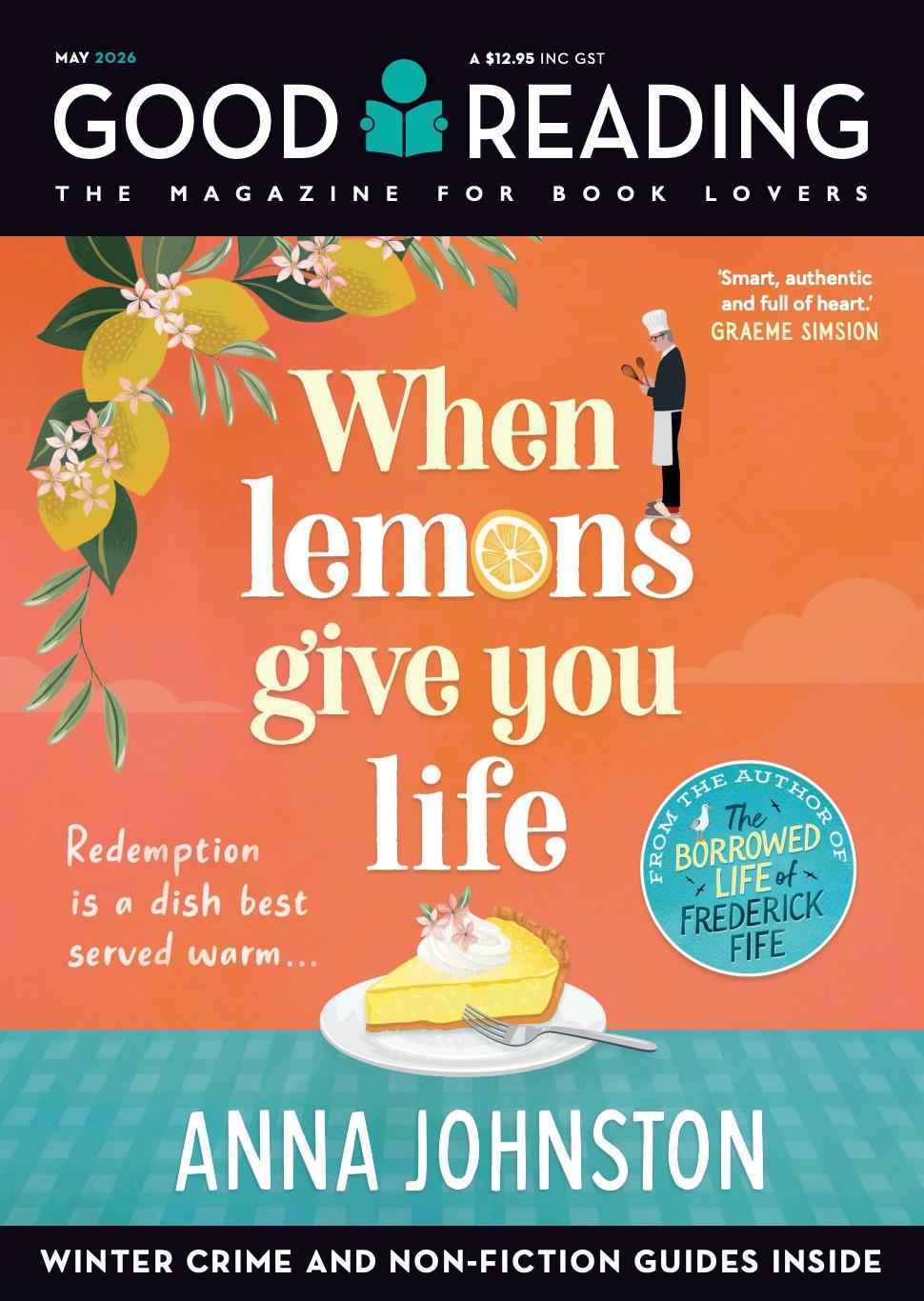


This captivating short novel set in Japan in autumn is utterly brilliant. Being prose, rather than poetry, it’s not a haiku, but it could be. Its brevity is intense, it values the season’s colours, features acute observation, contrasting images and moments of blinding insight. And like a Japanese gardener, the narrator aims for perfection in her understanding of life, but her eyes, like the windows onto the garden, are unable to see everything.
The unnamed narrator has organised a trip to Japan with her mother. There’s the sense that these two have not seen each other for some time. They’re awkward in each other’s company. The narrator has an itinerary incorporating visits to museums and galleries. These choices suit her life rather than her mother’s, who is then reticent to express an opinion for fear of appearing unsophisticated.
Train travel and silent contemplation of artworks offer time for gentle reflection of the remembered past. At times – such as with the narrator’s uncle’s life – there is confusion over the correct version of events. The confusion is allowed to stand; no resolution is offered. Their visit to a church serves to contrast the mindsets of the two: the narrator seeks to know all she can in order to find understanding; the mother believes complete knowledge is unattainable. The use of metaphoric imagery is majestic – a rocky kayak trip and a walk to the gates at Kyoto’s Inari Shrine mirror life’s journey.
The writing in Cold Enough for Snow is as pure as it is possible to be. There are no spare words, no unnecessary descriptive phrases. The narrator’s thoughts are honed and polished and presented as a gift to the reader. There will be no better novel this year.
Reviewed by Bob Moore
ABOUT THE AUTHOR
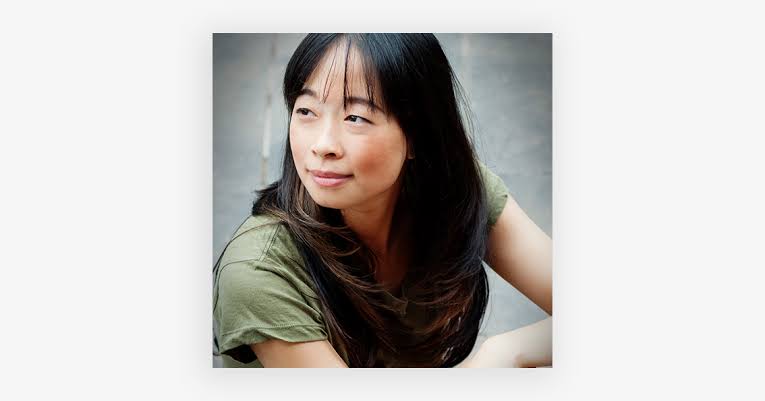
Jessica Au has worked as a writer, editor and bookseller. Her novel Cold Enough for Snow (2022) won the inaugural Novel Prize and was published by Giramondo, New Directions and Fitzcarraldo Editions, with translations in nineteen languages.
It won the Victorian Prize for Literature and was shortlisted for the Miles Franklin Literary Award, The Age Book of the Year Award, the NSW Premier’s Literary Awards, the Queensland Literary Awards, and longlisted for the Dublin Literary Award.
0 Comments