




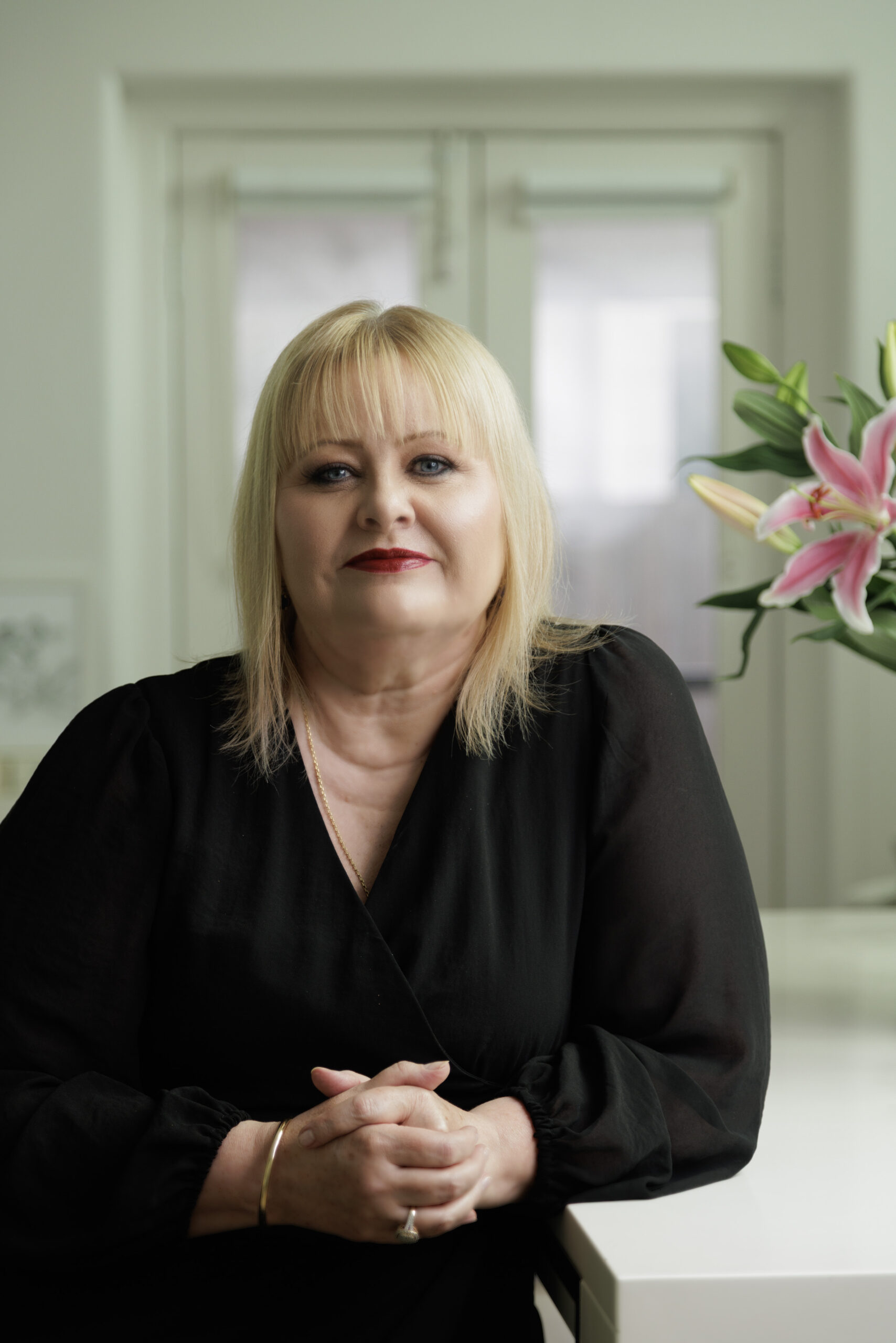
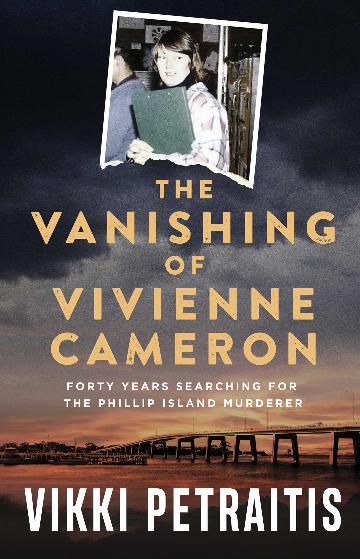
VIKKI PETRAITIS is an Australian true crime author and podcaster. To mark the 40th anniversary of Beth Barnard’s murder and Vivienne Cameron’s disappearance, Petraitis draws on decades spent following the case, including her earlier book and podcast on the mystery, bringing together her research, interviews and investigative experience in her new book, The Vanishing of Vivienne Cameron, a compelling forensic investigation into what happened all those years ago, and why.
Read on for a Q&A with the author.
The authorities concluded that Vivienne killed Beth and then herself. When you first examined the case, what elements of that conclusion didn’t feel right to you?
Right from the start, Vivienne’s friends spoke about her as a mother and how devoted she was to her children. None of them could believe that she could murder Beth and face losing her boys as a consequence. It was so out of character.
When bringing together decades of research on a 40-year-old case, what proved most challenging?
I have never looked at it as challenging to follow the case for this long. It’s the kind of case that gets under your skin. I have endless patience for talking to people who have things to add to the narrative. The way I look at it, I ended up the conduit where people came to because the police weren’t interested in new information, so people come to me. So, in essence, I became the custodian for the case. Every new piece of information became a piece of the puzzle that slowly and painstakingly came together.
How did systemic failures and bias influence the handling of this case, and what does that reveal about the broader culture of the time?
I believe that back then the men investigating this case looked at it through a male lens. They concluded that of course a woman might ‘snap’ even when there is no indication this is likely. They believed that a woman could put her blind rage over the consideration of her children so she could commit murder and never see them again. They did not understand that the most dangerous time for a woman is when she is intending to leave a relationship. Vivienne and Beth both told others they wanted to leave Fergus, and both ended up dead. When Vivienne’s friends tried to tell police that they didn’t believe she could kill Beth, they weren’t listened to. There are several instances in this case where the word of men was given much more weight than the word of women.
What does this case mean to you personally? And how has your relationship to it changed since you first wrote about the Phillip Island murder with Paul Daley?
I have been looking at this case since the early 1990s. The book we wrote back in 1993 was what we knew at the time. After the podcast came out in 2020, a flood of new information came in, and more when the case was featured on an episode of Under Investigation. When we tried to get police to take statements from these new witnesses, they mostly refused. The case was inactive, they told us. So I was faced with the dilemma of what to do when crucial witnesses have information that could be vital, how do we get it out there? Once all of my official channels dried up, it had to be a book. I began writing it after the podcast. It is the first time I have stepped into one of my crime narratives, because after all these years, the story is as much about me following it than it is about the murder back in 1986. I also dabbled with a brand new style in telling the story. It’s also kind of snarky.
What do you hope true crime can achieve in cases like Vivienne and Beth’s?
It is all about giving these women a voice. In the silence that surrounded Beth’s murder and Vivienne’s disappearance, their stories were not widely told. Because of the work I’ve done on this story, people all around the world know who they are. We’ve had offers of help from overseas. People have really become as fixated on this case as I am. It is too late for justice now that the broader family group has been diminished by time. But it’s never too late for the truth.
After so many years reporting on this case, why has it been important to keep Vivienne and Beth’s story in the public eye, and what do you hope readers take away?
This has always been about justice for Beth and Vivienne. Imagine them floating around in the universe, forever branded the ‘mistress’ and the ‘murderer’. Imagine if these labels weren’t true. The work I’ve done will hopefully suggest alternate theories where both women are victims.
Many readers first encountered this story through the podcast. What does the book allow you to explore or deepen that wasn’t possible in an audio format?
The book is a collation of all the information that came flooding in since the podcast. I think there are millions of people around the world that have listened to the podcast and want to know what happened. The book gives them these answers. Also, we decided to do something very different with the audiobook. We added a podcast episode to it. We called it Episode 11 and it includes interviews with the new witnesses. And it is the first time I have put myself in the story. I am usually in the background and very impartial. As one early reader said, ‘The gloves are off.’ And she was right. They are.
LISTEN TO THE PODCAST
ABOUT THE AUTHOR
 Vikki Petraitis is an Australian true crime author and podcaster. Her first book, The Phillip Island Murder (1993), was co-written with Paul Daley. Since then, Vikki has written numerous true crime books, including her bestseller The Frankston Murders about Frankston serial killer Paul Denyer, and two acclaimed crime novels. Vikki is also a renown podcaster in the Casefiles network and her series ‘The Vanishing of Vivienne Cameron’ was released in 2020.


0 Comments