


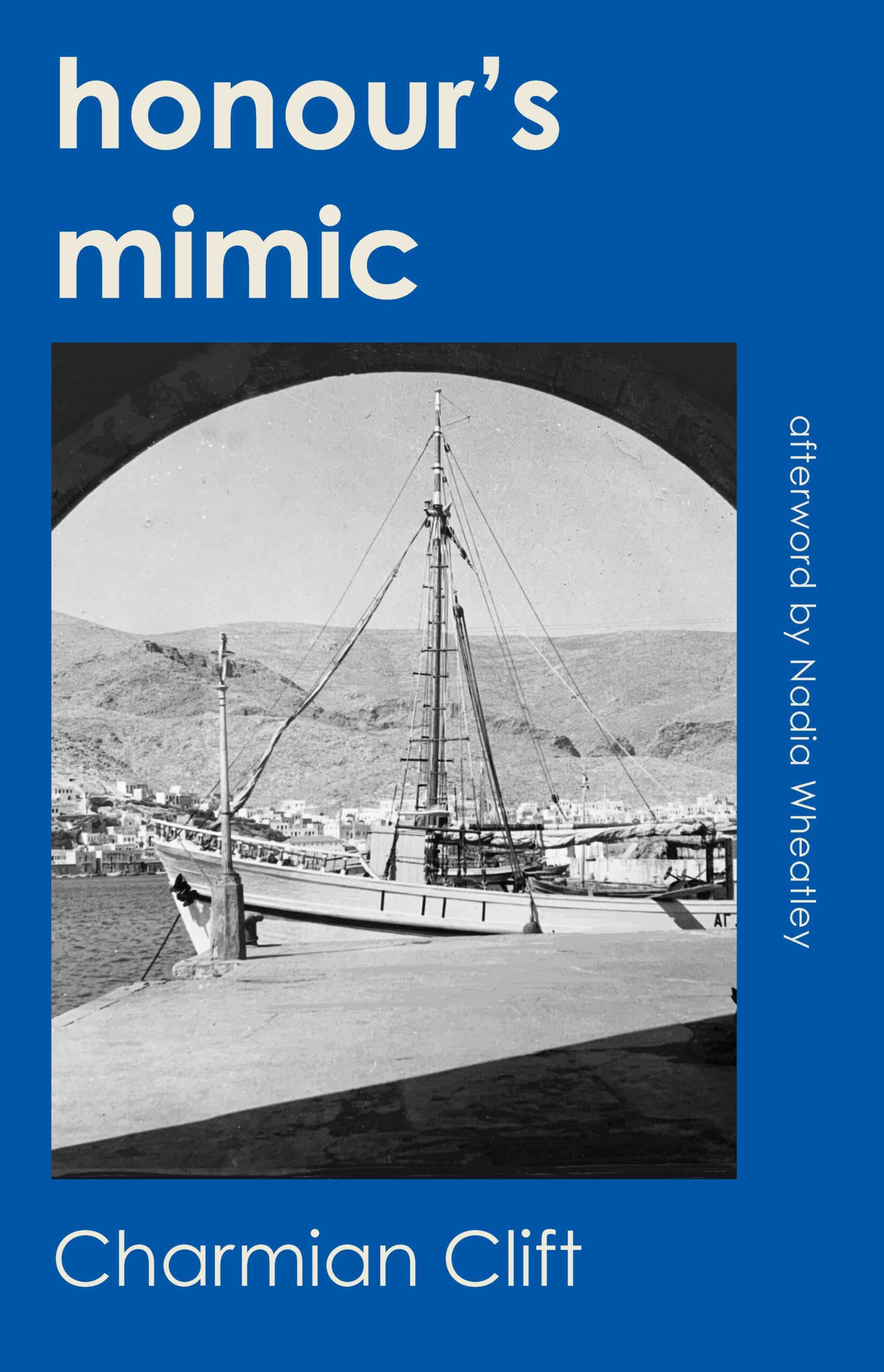
CHARMIAN CLIFT’s recently reissued novel Honour’s Mimic (first published 1964) is such a compelling work of literature that one wonders how it and so many other great Australian and International books could ever have gone ‘out of print’.
PETER HODGE writes.
George Johnston’s My Brother Jack (1964) is commonly considered one of the great Australian novels, but if you wish to read the companion works Clean Straw for Nothing (1969) or A Cartload of Clay (1971), you will need to scour the online retailers of second-hand books. How can this be?
The good news is: many of these novels are making a comeback, either rereleased or, in some cases, translated into English for the first time.
Charmian Clift, Simone de Beauvoir, Natalia Ginzburg, Alba de Céspedes, and many other authors who wrote in the post-war era but are no longer with us (a high proportion of them women), are enjoying significant ‘late’ career success.
It is hardly surprising that these strong and eloquent voices could appeal to a new generation of readers. The wit of Ginzburg, the sharp, challenging insights of Simone de Beauvoir, and that natural writing flare of Clift – what’s not to like?
Consider George Johnston’s The Far Road (1962). Set in famine ravaged China and published before My Brother Jack made Johnston a household name, it is one of the most disturbingly wonderful books I have read – a real surprise packet for first-time readers. Surely, if it was any good, some might think, it would still be in print. It would have graduated to being a Penguin Modern Classic by now.
It makes you wonder what other literary treasures have been interred, largely forgotten and waiting for a willing publisher to reanimate them?
Many of the great books from this era are transparently memoir in the guise of fiction. George Johnston was a wartime reporter in the Far East before he wrote The Far Road. It doesn’t require much effort to recognise the overlap between de Beauvoir’s Prix Goncourt-winning novel The Mandarins (1954) and her autobiographical The Prime of Life (1960). The humour in Natalia Ginzburg’s Family Lexicon (1963) is taken directly from her family home in Turin as outside (and particularly for Jews) fascist persecution expanded to its destructive crescendo.
Lived experience invests these works with authenticity that contemporary authors, writing about the same era will, for obvious reasons, struggle to achieve.
Charmian Clift and George Johnston are the real power couple of Australian literature. Yet, through their most productive years, on the Greek island Hydra, they lived off credit most of the time, desperate for the next royalties cheque. The Johnstons documented their island life, warts and all. In the end we are forced to ask, was it paradise or a prison?
There, they met a young Leonard Cohen who wrote Beautiful Losers (1966) before his singing career took off. Famously reluctant to be pinned down at any point in his life, he was asking the same question in relation to his island home. This sentiment is clear in the lyrics of ‘So Long, Marianne’ (1967). Since his death, more of Cohen’s writings have been resurrected. After a patchy career and, like several of the writers already mentioned, Leonard Cohen is arguably bigger than he has ever been.
All these works transport us to places and a time many find unfamiliar. It’s a low-tech world in which the Cold War still rages. Fear of nuclear Armageddon, for example, infuses many of the works, as do challenges to the traditional order – the dividend of a hard-fought war.
Clift, de Beauvoir, and their contemporaries captured the zeitgeist of their era and the issues confronting those who lived in it, both familiar and alien to contemporary readers.
This, along with the detailed knowledge we have of the incredible lives of these authors, adds an emotional charge to the reading experience. How can we learn of Kathy’s attempted suicide in Honour’s Mimic, without reflecting on the life and tragic fate of the author? It is a very different reading journey.
The books also communicate ways of thinking characteristic of their era. Simone de Beauvoir’s recently translated The Image of Her (trans. Elkin, 2025) provides a perfect example. Many of the existentialist themes are there, evergreen. In the spirit of her partner Jean-Paul Sartre’s ‘committed literature’, it’s a book with a purpose.
There is some truth to the argument that reviving the works of these late authors can deprive our younger writers of the oxygen they so urgently need. But is our cultural landscape better off allowing Honour’s Mimic and all the others to wither so that, one day, we find they are beyond our reach.
Surely, a healthy society will do both, preserve our cultural legacy and provide for emerging new voices. •
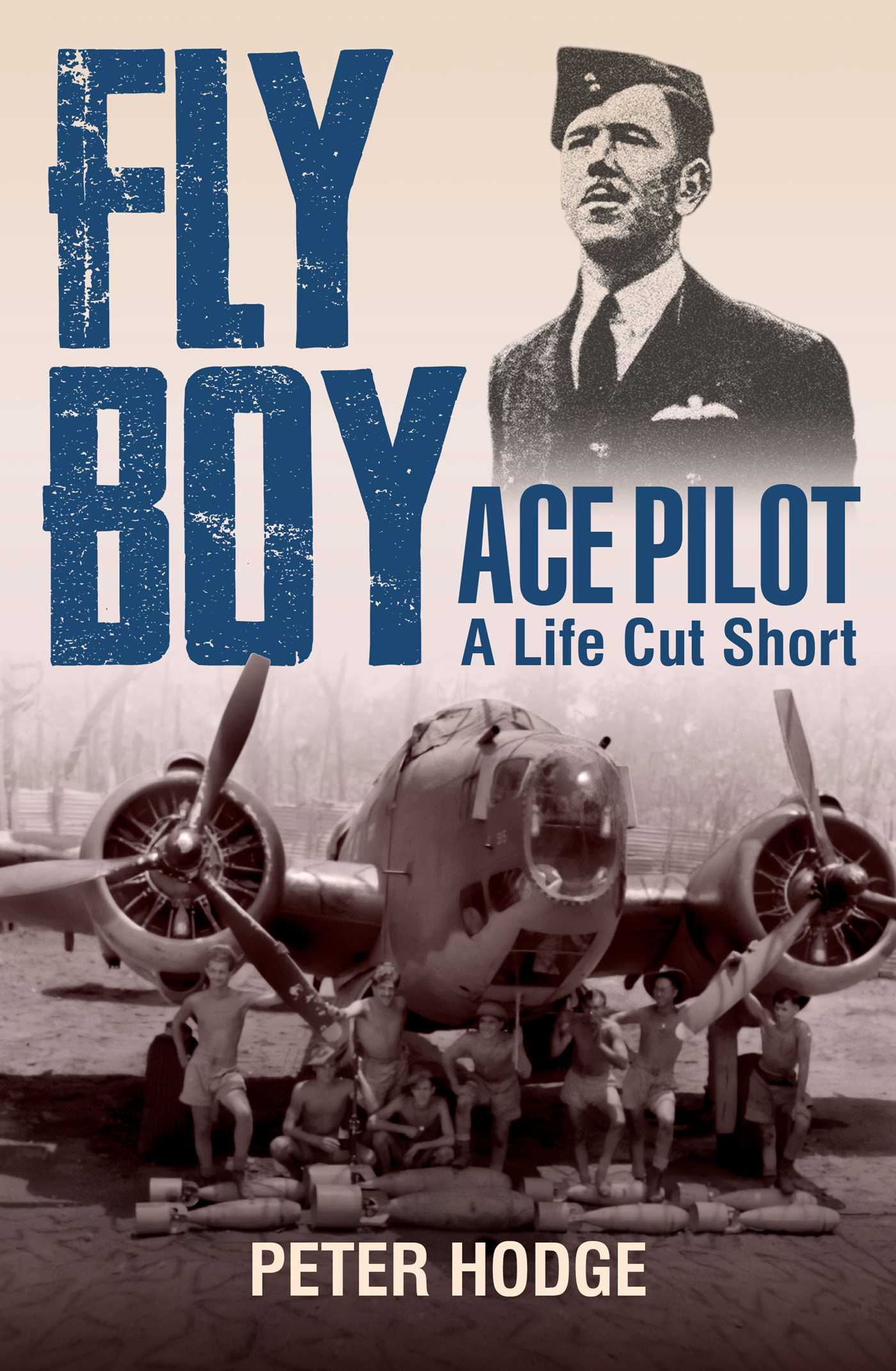
Peter Hodge is the author of
Fly Boy: Ace Pilot: A life cut short

0 Comments