


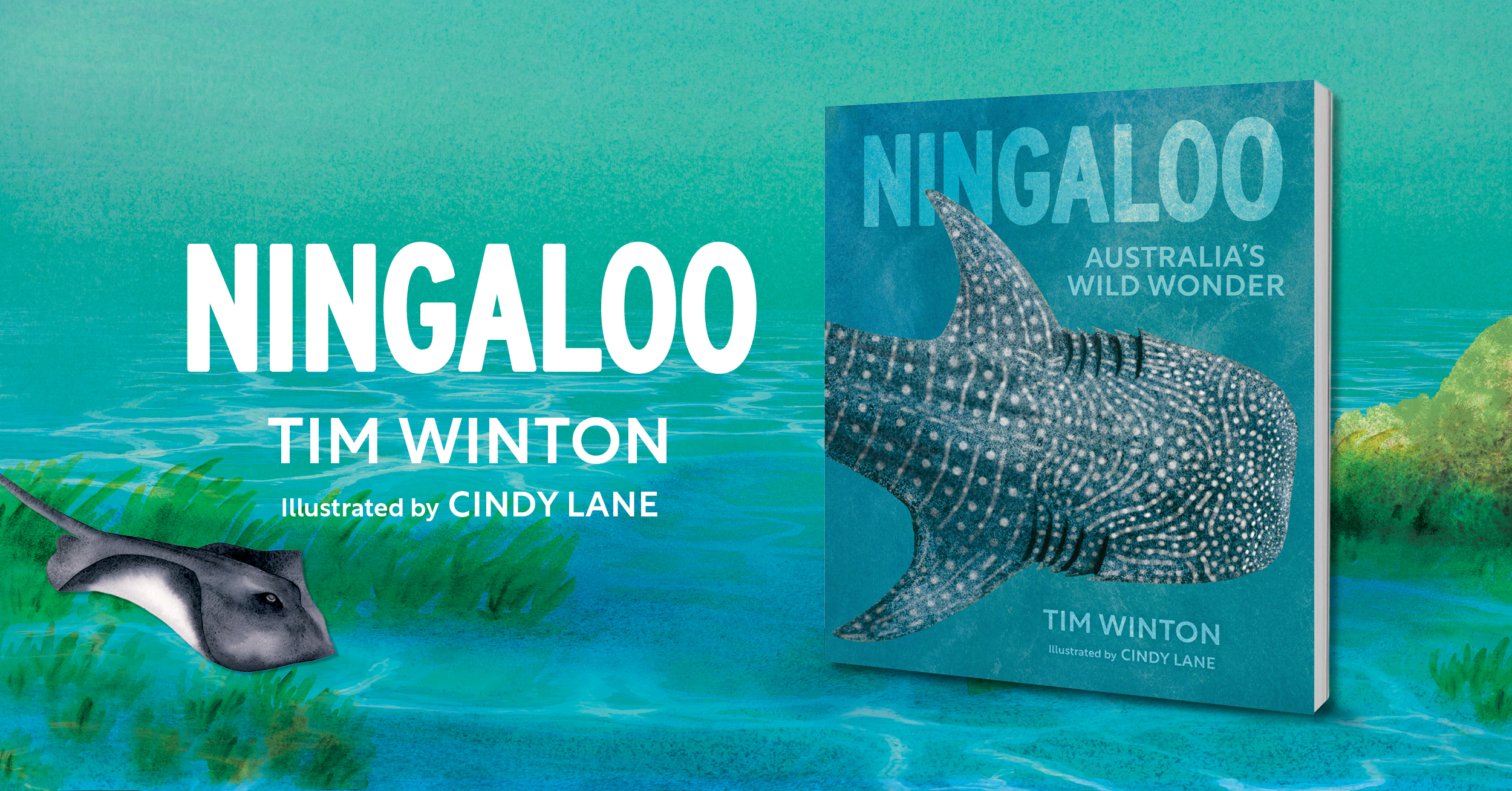
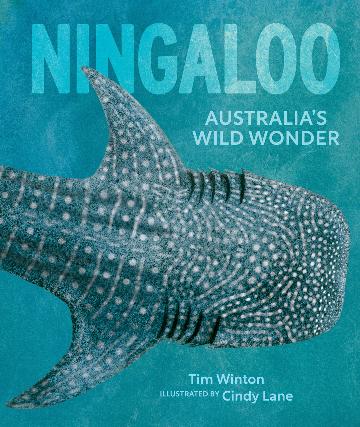
Award-winning author and passionate conservationist TIM WINTON and watercolourist CINDY LANE’s book Ningaloo dives into the rich world of Ninagaloo Reef. Read on for a Q&A with Tim Winton.
What inspired you to write Ningaloo?
I guess I’ve been writing and speaking about the place for a long time and I realised that young people are key to its future and that I’d never done anything directly addressed to them. After making the TV documentary, it was a logical next step. But I had to be prompted. The folks at Fremantle Press said they’d like to do a book and would I be interested in collaborating with Cindy, and that’s how it kicked off.
What role does biodiversity play in the overall health of ecosystems like Ningaloo, and why is it important for young readers to understand this?
Biodiversity is a big deal, but to sustain it you need variety and abundance. Ningaloo is a place where you can experience it. Essentially, it’s an experience of richness, of plenty. When it comes to the natural world, kids are usually exposed to scarcity, or rarities – leftovers, essentially. Ningaloo is an exception to this dynamic. I think the important thing to underline is that while the place itself has produced this remarkable state of affairs, the reason it’s still available to experience is the result of human intervention. There have been many places like Ningaloo but most of them have been fragmented or destroyed. Ningaloo exists today because ordinary Australians decided to defend it. So, yes, biodiversity is extremely important, but in the face of human pressures, it’s very fragile. It needs to be safeguarded. Ningaloo is one place in Australia where we’ve got this right. It’s a good news story.
Animals from whale sharks to Cape Range millipedes feature in Ningaloo. How did you choose which animals to feature?
Were there any that surprised you in new ways during your research? I wanted to give young readers a faithful account of the science, so all the major critters had to be included, especially the organisms that reflect its status as a World Heritage treasure. It’s useful for kids to know that some of the tiniest creatures are as important, or even more important, than the bigger, charismatic animals. The Blind Gudgeon, the size of your pinky, is a bigger deal than a whale shark.
One of the key messages in Ningaloo is that every part of the ecosystem plays a role. What do you hope readers take away from that idea of ecological interconnectedness?
I suppose I wanted to show that relationships are the foundation of ecosystems, as they are to human civilisation. Our culture has fallen into presenting people as isolated individuals and animals as interesting isolated specimens, but the world is a series of family trees and circles of interdependency. It’s harder to get young people to understand the challenges facing us, and more difficult to present possible answers, if we don’t underline this web of interconnections. When one creature is in trouble, all creatures are in trouble, and when when person is at risk, all of us are at risk.
What do you see as the biggest threats facing the Ningaloo Reef today, and how did that influence the way you approached writing Ningaloo?
The historic threat has been from viewing the Reef as something unrelated to its neighbouring ecosystems like the Range and the Gulf. The ongoing and future threat comes from not taking into account the pressures of global heating. The way we generate and trade energy is reducing biodiversity all over the world, and Ningaloo is no exception to this. Unless we stop burning fossil fuels, coral reefs will disappear all across the globe, and sadly Ningaloo’s corals will not be spared. So the simple answer to the question is: overdevelopment and climate chaos; these are our major threats.
Can you tell us about your collaboration process with illustrator Cindy Lane?
I guess I was her remote guide. I’m lucky enough to have long-term experience and knowledge of Ningaloo, and Cindy was a newcomer, so helped her a little bit in identifying places and landforms. There’s so much information to pack onto the page. It’s hard to show the richness of the environment without overwhelming the reader visually, and we wanted to appeal to the widest range of ages and interests possible. Cindy uses local seawater or ground water in her watercolours, so she brings a very organic process to the job. I think her work is really beautiful – it’s so eye-catching.
What simple actions can people start taking in their daily lives to help protect places like Ningaloo?
Perhaps the most important thing is to ask ourselves how we can live more consciously and carefully. That’s the first step in reducing our impact. And when young people hear of places in distress, or places that need defending, they should look for ways to add their voice. Ningaloo survives intact today because thousands of people – including many young people – asked their leaders to take action to save it. We changed government policy together. We changed our own culture together. There are lots of ways to live more mindfully here on Earth, but we have to make these changes together. We know it’s possible because we’ve done it before.
What do you hope young readers take away from Ningaloo?
I hope they get a sense of wonder and amazement from what they’re presented with. I hope it sparks their interest in the natural world and increases their respect for it. A book like this shows how much we still have to celebrate and study and defend.
ABOUT THE AUTHOR
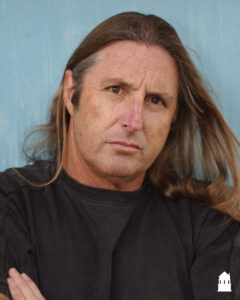 Tim Winton was born in Perth, Australia in 1960. A four-time winner of the Miles Franklin Award and shortlisted twice for the Booker Prize, Winton is a bestselling author whose work has been adapted for the stage and screen and is widely translated.
Visit Tim Winton’s publisher website
ABOUT THE ILLUSTRATOR
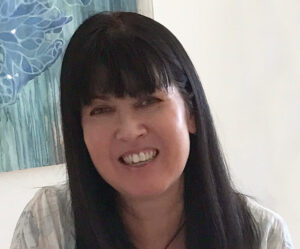 Cindy Lane is a Perth-based artist, illustrator and children’s book creator. Her first picture book, Great White Shark (written by Claire Saxby), won the Royal Zoological Society of NSW Whitely Award Best Children’s Book for 2022, and Cindy was listed on the CBCA Shortlist for New Illustrator in 2022.
0 Comments