
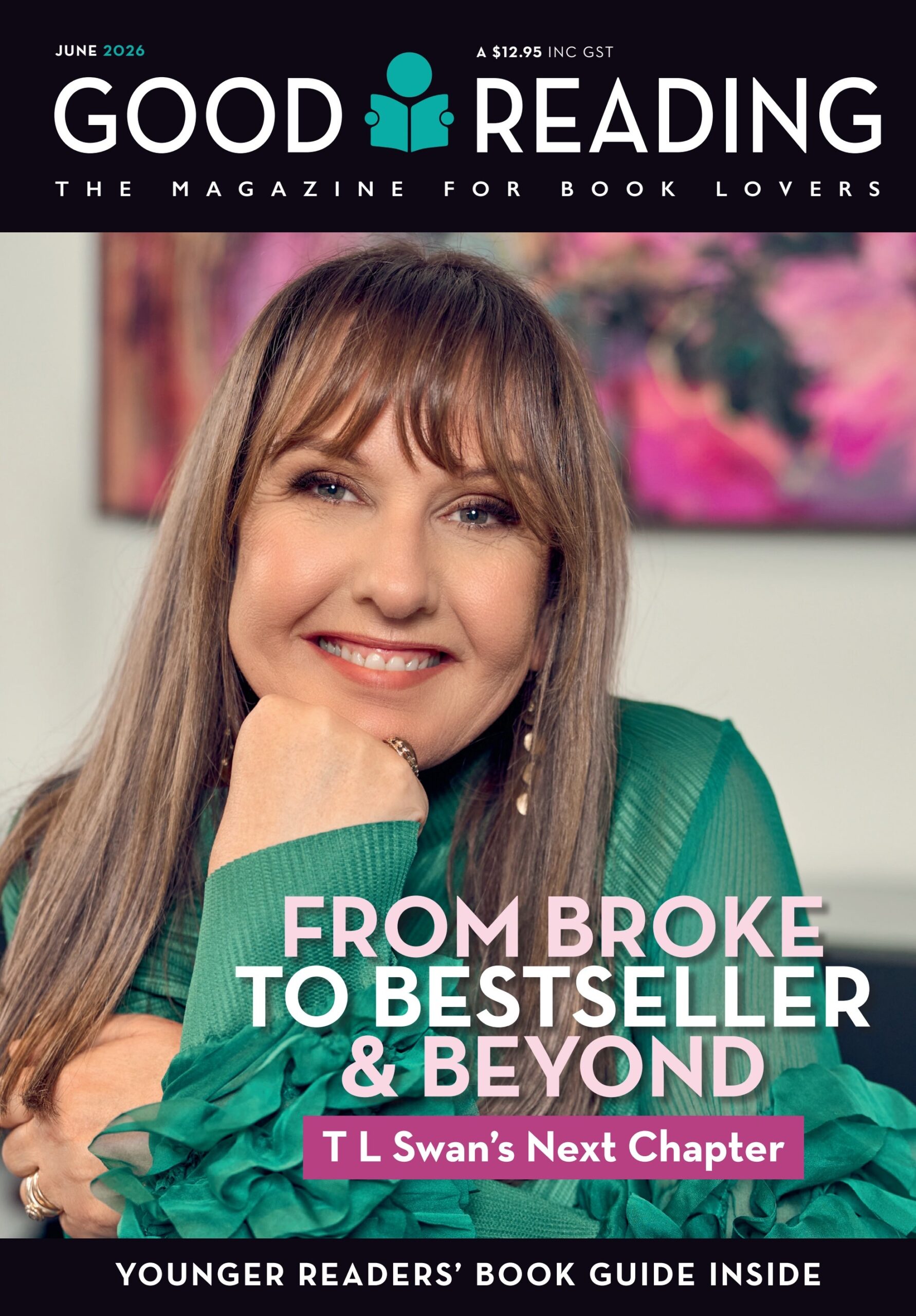
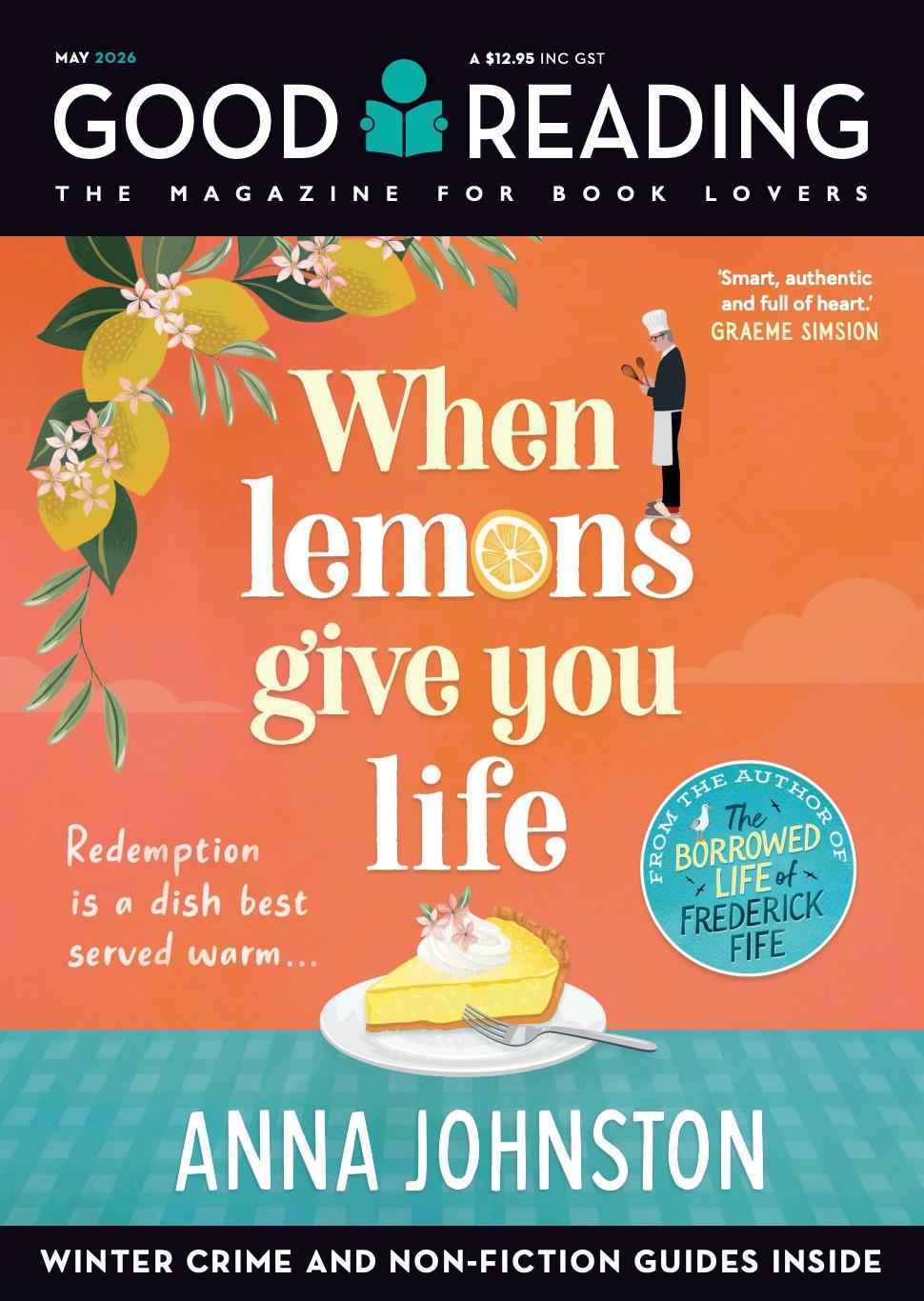


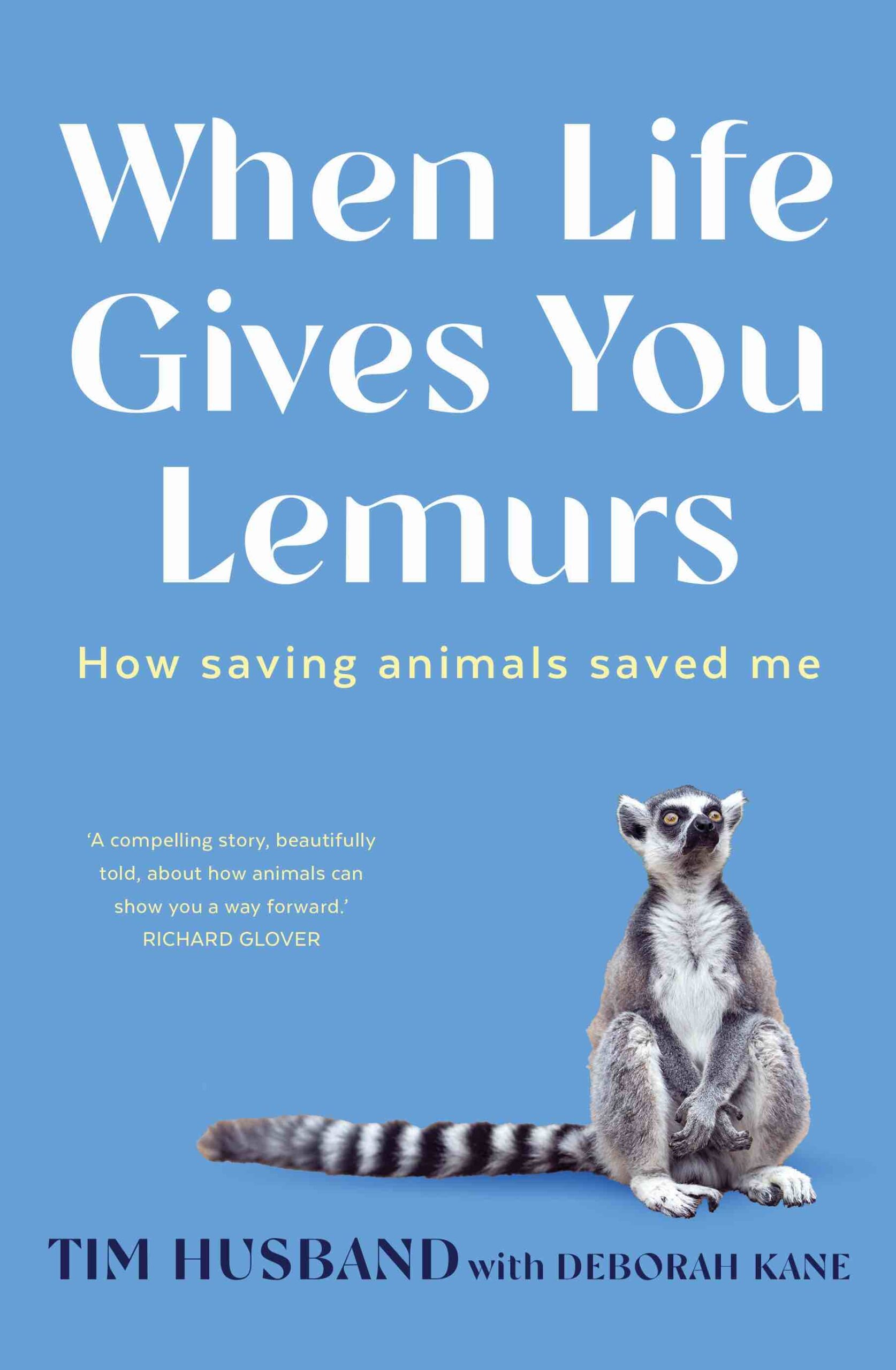
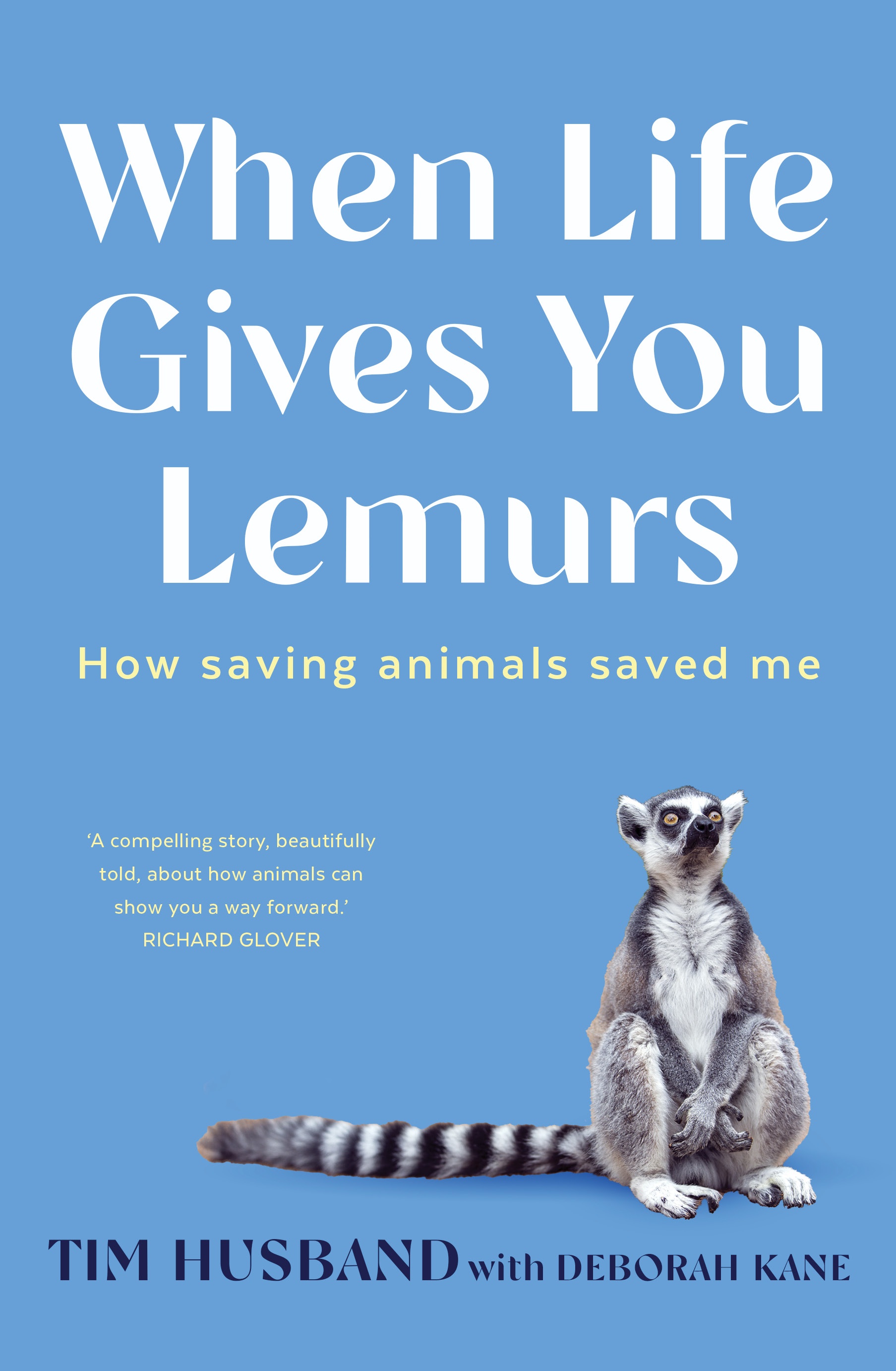
TIM HUSBAND is a highly experienced Captive Wild Animal Manager and Zoo Consultant. He has worked in some of the world’s best-known wildlife parks’s. His memoir When Life Gives you Lemurs: How saving animals saved me is a story of courage, generosity and the tender power of animals to heal humans.
At 14, Tim Husband was thrown out of home by his father and the church elders. He was taken in by the owner of the local zoo, and in exchange for a bed and food, Tim spent the next ten years caring for the wild animals. Patiently observing these exotic creatures gave Tim his first true sense of belonging as well as the courage to navigate healing the wounds from his traumatic childhood inside a strict religious community. He also found he had a talent for enriching the lives of the animals he spent time with, by redesigning their habitats closer to those found in nature.
Tim is one of a handful of international specialists known for their expertise in animal care. He has directed, designed and curated at some of the best-known zoos in the world, building a reputation as an exotic animal whisperer.
Read on for an exstract
EXTRACT
Getting used to my caravan home was hard in those early months. Just learning to live alone. No brothers, no sister, no mother. Not that I’d liked any of them much, but they’d been family. They’d been all I knew and all I had. I did know a little about looking after myself, because I’d had to. I knew how to boil water for hotdogs and how to cook an egg and make toast. But that was all. Mum had hardly been there for us because she’d walked a weird tightrope: trying to be some kind of mum to us as well as trying to be everything Dad hoped for in a Jehovah’s wife. And being a good Jehovah’s wife basically meant doing what Dad told her to do. Dad, along with all the other male Elders, were the only ones who truly understood God’s Word, because they were his trusted messengers.
‘Mums and kids use only their ears, not their mouths,’ Mum used to say to us. ‘It’s not our place to question why,’ she’d often add. And it was always the case that ‘Dad’ll know what to do’.
I used to ask Mum, ‘Why don’t you ever stand up to Dad? He’s a bully, Mum.’ But she’d ignore these questions, if she was ever sober enough to take them in.
Each day of my new life started with a piece of toast and Marmite. I taught myself how to drink the gravelly coffee that had been left in a jar. I reckon some of it could’ve been straight mouse shit. It was okay with three teaspoons of sugar, though. I also drank milk. One of Mr Brake’s kids brought me over a fresh bottle every morning after the keepers had milked the dairy cow from Friendship Farm, and they’d leave it at my door. Knowing my creamy bottle of milk was waiting for me made me want to get out of bed every morning. I’d never tasted anything as delicious before, drinking most of it the same day it arrived. I was also slowly getting the hang of cleaning out the enclosures and preparing frozen chunks of horse carcass for the lions. I’d get the horse legs from the freezer. The bales of hay for the stags came from the shed. Soon, Mick didn’t follow me around anymore because he could see that he didn’t need to. I was getting better at doing my jobs, mostly because Mick was such a good teacher. He was always very clear with his instructions and I often tried to remember them by repeating them in my head.
 When lunchtimes came around, I would always take my spam and tomato sauce sandwich to the lemur exhibit. There was a viewing bench in front of it. I’d sit on that and watch a single lemur who, most days, was draped over a dried-out old slab of kauri pine. There were a few other lemurs in the exhibit and they too were often asleep, on the hard cement. The single lemur on the kauri branch looked like a blob of wax melting over the wood slab in the summer sun. We would both sit quietly, staring at each other in the midday heat, separated only by a fence. I noticed something hollow in his eyes, something dull and resigned – the same hollowness I’d seen framed in Mum’s eyes, the one in my own eyes. I wished that the hollowness in the melting lemur’s eyes would fill up, as I didn’t like to see the despair in there. As we watched one another, I’d think about how we were the same in so many ways, but also different. He was still trapped in his enclosure but I was free, and brave. But still so angry. I took a deep breath in. So very angry. I wondered how free I really was. The breath out was long and laboured as I thought about how trapped I was. I couldn’t seem to do much about my anger but I could make his life inside his enclosure better so he would be happier, freer. Then I thought about how I could actually make that happen. I decided I was going to watch the lemurs really closely. I was going to learn how they behaved, what made them excited, what upset them, and what calmed them down when they were distressed.
Sometimes, if the lemurs were mostly asleep, I went to hang out with Len, the old European keeper who looked after the geese. His real name was long and hard to pronounce, so everyone called him Len. He was always patient and tried to teach me things. Len had a way of talking that was almost like the preachers in my last life, but somehow different. He didn’t stare into me when he spoke and he never pointed fingers at me. He didn’t really mind if I listened or didn’t listen to him. He was just telling me how he saw and understood life. How different this was from the Elders, not only because it was stuff I was interested in, but Len wasn’t demanding I listen – he was talking to me, not at me. He explained how every animal had so much to teach us and we could only really learn by watching them closely, which I found fascinating. He told me how important it was to learn about animals, especially now that the number of humans on the earth was increasing so much that animals had fewer and fewer places to live.
‘That’s why zoos are so important, lad,’ he would say, because we could conserve animals in zoos until such time as they had safer places in the wild to thrive.
It was my first real introduction to how important the conservation of animals was, and why zoos played such a big part in protecting them. It was weird to think that what we did at Stagland every day actually made a difference to someone in the world rather than just me and the Jehovahs. That I was no longer missing out on having a useful life because I was too busy preparing the unenlightened bush folk for their next life.
Another reason I liked to hang out with Len was because I knew that, unlike some of the other keepers, he didn’t know many people in town, which also made him the better choice for a lunchtime companion. Some of the other keepers gave me weird looks, like they knew the worst of my crimes. I always preferred to be with the animals or with Len at smoko rather than listening to Mick and the other keepers chewing the fat about what had happened at the pub the night before, or make fucked-up jokes about how girls looked, how big their arses were, who had done what to them, and where to find them in which pub.
I hated talking about them. Girls, I mean. Besides, whenever I spoke to other people, I felt the same old burn crawling up my throat. An anger so explosive, so close to the surface, that it never took much to get me stirred up.
As it turned out, I hardly spoke at all in those first few months, unless it was to ask about animal behaviour, so no one took much notice of me. I liked it that way. I was always much happier with the lemurs.
ABOUT THE AUTHORS
Tim Husband is a highly experienced Captive Wild Animal Manager and Zoo Consultant. With over 40 years’ experience, Tim’s innovations include improving animal care practises, exhibit design, animal acquisitions, staff motivation and public presentation. He is well respected as a teacher, an ardent supporter of animal keepers and most of all, as a devoted advocate for the conservation of wild animals.
Deborah Kane has written scripts for children’s television and short films as well as plays for theatre. She has worked for the communications director for the Australian Human Rights Commision.
0 Comments