




It’s time to dedicate 1% of your day to mental health action. Are you up for the challenge?
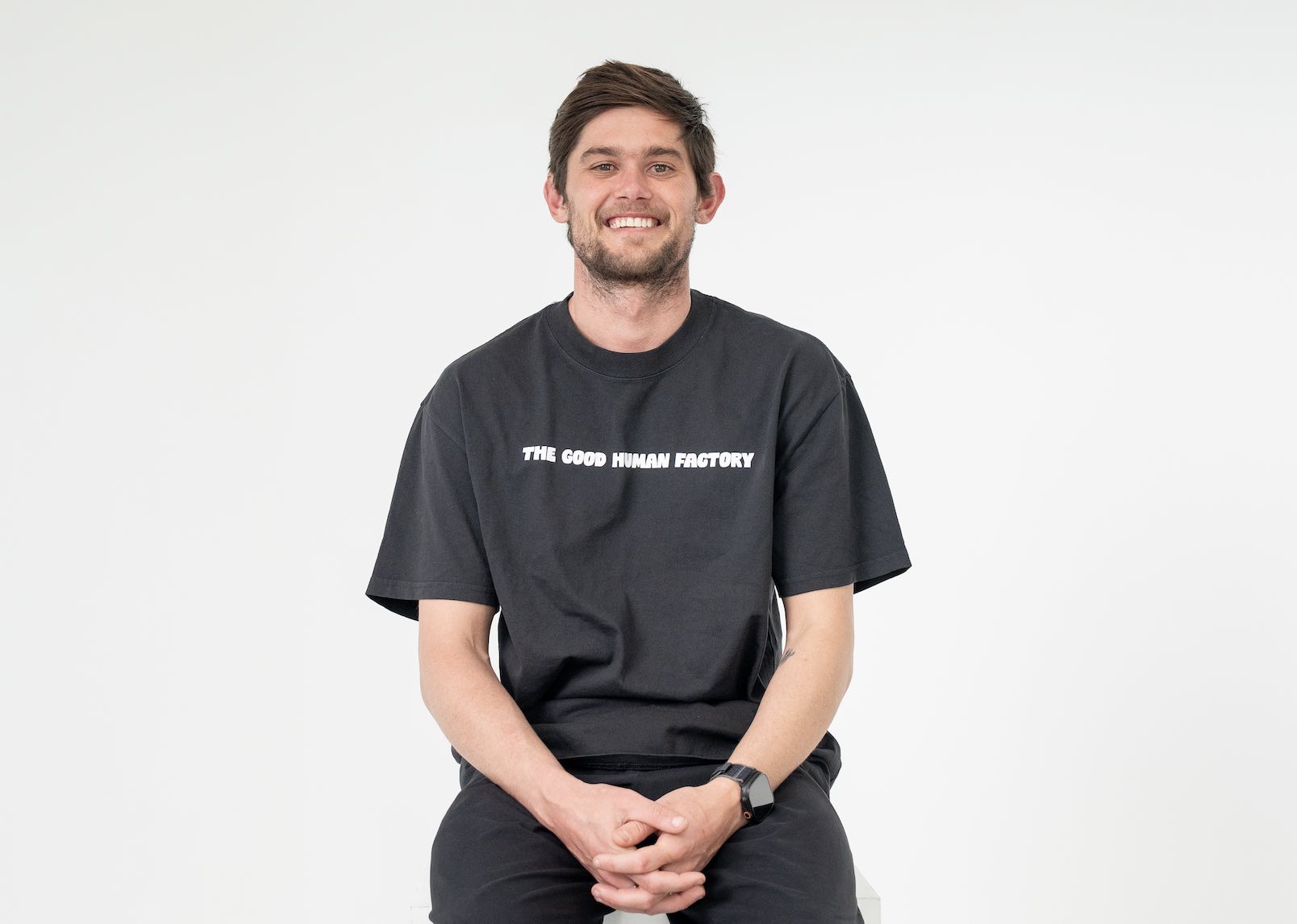
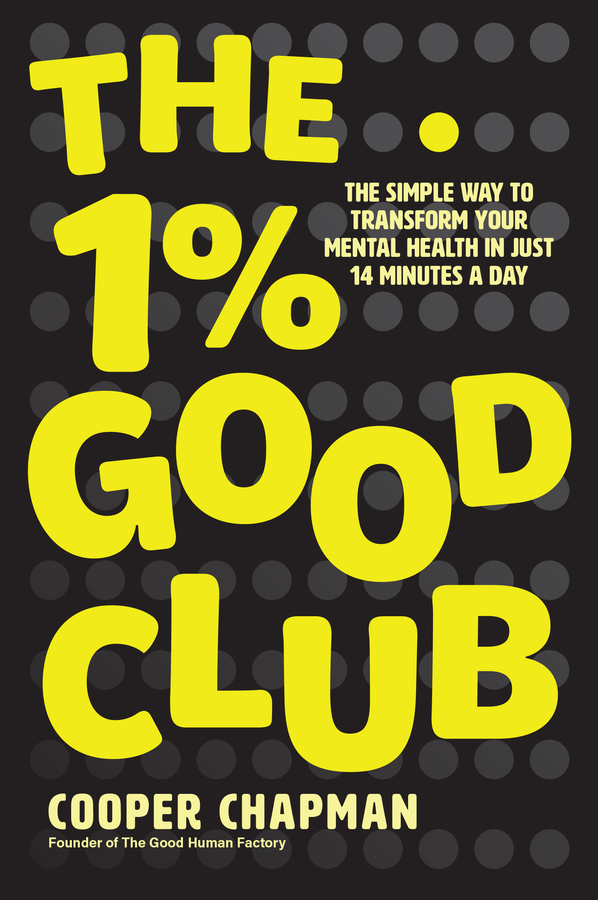 In The 1% Good Club, author Cooper Chapman reveals a fresh and exciting new approach to managing your mental health. Chapman, an ex-pro surfer and founder of The Good Human Factory, reveals how dedicating 14 minutes – just one per cent – of your day to wellness will transform your mindset, mood and outlook. Not only will you embrace a positive new sense of self-awareness, but you’ll also learn how to take simple, effective, concrete actions for improving your overall mental health.
By drawing on habits and rituals that are scientifically proven to make you feel good, in this book you’ll uncover practical techniques to make your life a little bit better every day. The 1% Good Club will show you how to define your core values, determine new habits and deploy practical skills that will transform your wellbeing.
**********
Read an Extract
Hawai‘i is a special place for all surfers. The birthplace of surfing. And a location with waves unlike anywhere else on the planet. The energy on this small Pacific island chain is unmatched. Waves travel across the Pacific Ocean and land on the razor sharp volcanic rock to create some of the best breaks on Earth.
For a competitive surfer, the hour prior to competing is crucial. You must get your body ready with a light warm-up, and your mind ready with visualisation. You must watch the ocean and try to understand the patterns for the day. How long is the interval between good scoring waves? What is the scoring scale for the judges? What is the tide doing? Will the wind change? Is the swell rising? All questions you ask yourself.
On this particular day, the swell was rising, which meant indecision about what equipment to ride. The smaller the board, the more you can manoeuvre it and get large scores. But a small board makes it harder to paddle and catch the large waves. I had a decision to make: to ride a 6’4 surfboard or a 6’6 surfboard. I chose the 6’4. I thought it would be more aggressive on the waves.
There was five minutes remaining in the heat before mine, which was the signal that it was time for me to paddle out into the lineup. I strapped my leash on, sat in silence and said a little prayer. Then I jumped into the shore break.
Once I arrived into the lineup, I knew straight away I had chosen the wrong board. The swell had kept building and I hadn’t adapted my decision quick enough to change to a bigger board.
BATTLE TO ADVANCE
As the hooter sounded to begin my heat, my heart rate rose. A large set approached and with my fellow competitors I paddled for the horizon. One of the competitors swung around and caught the first wave. I was in position ready for the second wave. I paddled hard. But not hard enough for the undersized board I chose. I missed the wave and another competitor caught it. ‘No!’ I thought to myself. ‘You’ve blown it.’
I regathered my thoughts and tried to centre myself ready for the next good wave to come. When it did, I caught it. I rode it quite well but felt very unstable on the smaller board. 6.43/10, the judges scored my first wave. Not too bad, I was on the score board.
As the timer wound down, I found myself sitting in 4th place, not an advancing position; the top two surfers would advance. With a last-ditch effort I found a nice scoring wave. I was chasing down a score of 5.1/10 to advance. I connected three nice scoring turns and finished the wave cleanly. I felt like I had done enough to advance.
Waiting on the sand with anticipation for the judges to deliberate the score for my wave was painful. And then the commentators read out the score. ‘Last wave for Cooper Chapman, a 3.87, just not enough to advance, he stays in 4th place.’ I had lost. I had been eliminated.
But my first thought was “Screw the judges, they always underscore my waves.” I was devastated and had swung deeply into my victim mindset. I felt the world was against me. Nothing had gone my way all year.
THE TIGER AND THE DEER
While in Hawaii, I would train with a man who I built a special relationship with over the years competing there. His name is Kid Peligro. He is a Jiu Jitsu master, a breathwork and movement expert, and a very wise and kind man.
After that first event, I stepped into his gym right across the road from Sunset Beach, eager to train away a slight hangover and get the body feeling good to finish the season.
He asked me and my fellow Aussies, who I trained with, how the first event went.
I responded, “The judges underscored me again, and my board was a little too thick.”
He stopped me with an intriguing statement: “No excuses, not in my gym. In my gym, you are like the tiger. You will sharpen your claws and enter the next event better and more prepared. No excuses.”
Later in our workout, he sat us all down to share a story about the tiger and the deer.
The tiger and the deer both wake up each day trying to survive. One needs to hunt to survive; the other needs to not be hunted to survive.
One morning, they both awake and the tiger spots the deer and starts its pursuit, both running at full speed to survive. Right before the tiger was about to catch the deer, the deer took a sharp cut to the right. The tiger slips in the mud and misses the opportunity.
The tiger doesn’t make excuses and blame the slippery mud, or anything external. No, the tiger goes home hungrier, sharpens his claws a little more, and the next day comes back to the hunt.
When you take upon yourself accountability for when things happen, and you don’t blame others, that’s when you start taking over your life and controlling your life.
This really clicked with me. It made me realise that it doesn’t matter what happens to you in life, it matters how you react to it. And I decided in that moment I would start to react differently. When things got tough, it wasn’t time for excuses; it was time for improvement.


0 Comments