




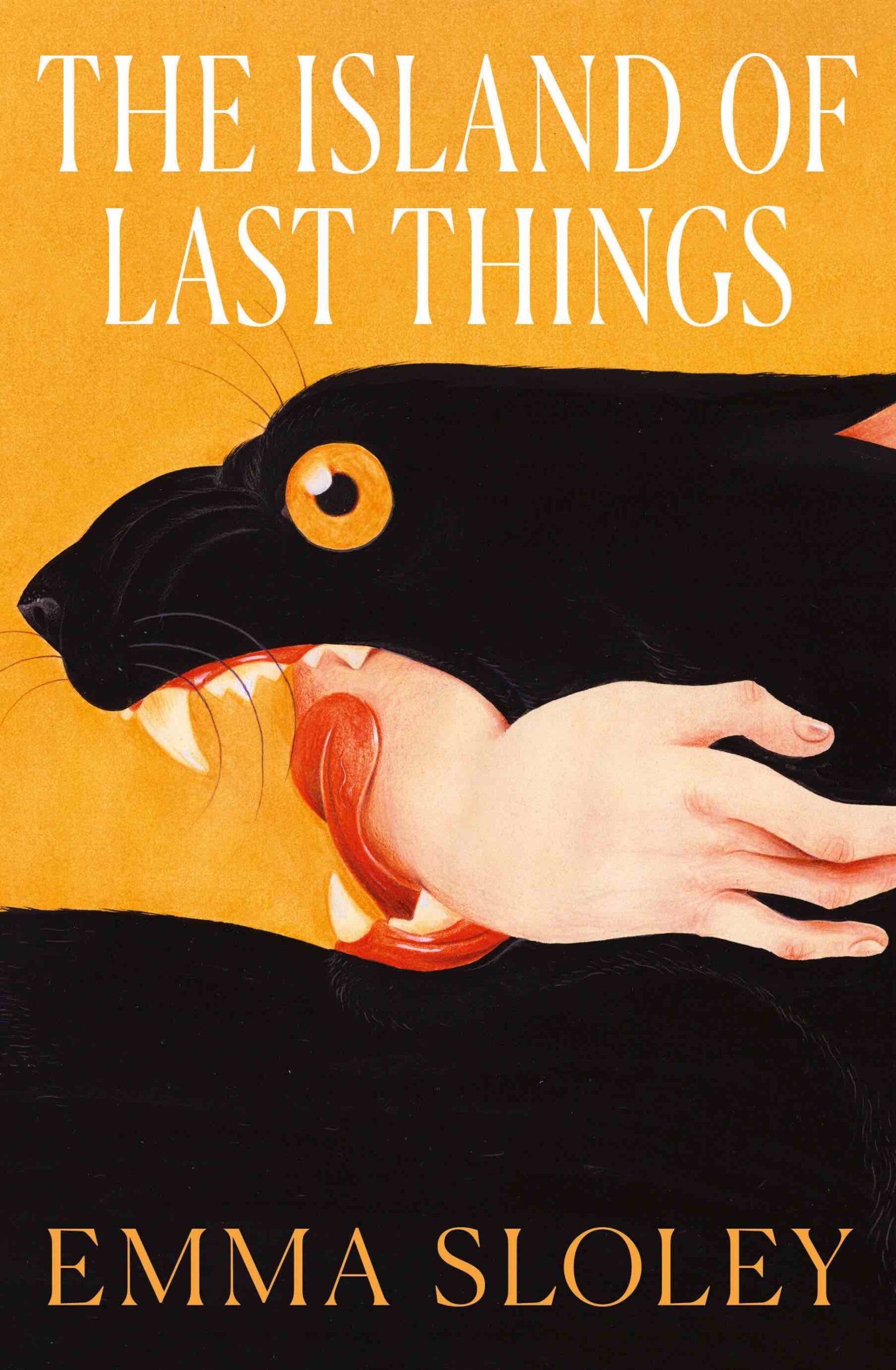
Good Reading dips into the first few paragraphs of new books to give you a taste of what’s to come.
Alcatraz
That day all we could think about was the elephant. Everyone had been counting down the months, then the weeks, then the days, until only a few scant hours stood between us and the arrival of the Elephas maximus indicus on which we had pinned all our hopes. We didn’t know anything about Sailor then, didn’t even know she existed, so no one was anticipating her arrival. But there she was anyway, a new keeper at the breakfast table. Defiant in her aloneness.
Hyperalert to her surroundings, like a deer hearing the undergrowth crackle. She was tall, and I guessed a lot older than me – maybe 40 – and wore a strange little smile, like she had been proven right about something and was pleased about it. But not in an arrogant way. More like the quiet pleasure that comes from feeling the sun on your head after a day spent toiling in the darkness of the cells.
On a normal day, we would all have been abuzz at the arrival of a new keeper. The whole intricate social puzzle would need to be taken apart and reassembled to fit this new piece, this potential ally or rival, and while some keepers hated these disruptions to the status quo, I lived for them. Every new person was a small blast of helium into my balloon of hope. I’m not sure exactly what I was expecting or whose attention I aimed to catch with this balloon. A saviour of some kind, I think, although I never expressed that to anyone else.
In the three years I’d been working at the zoo I hadn’t met a person whose company I preferred to the animals, but that didn’t stop me from dreaming. Of someone who might make the empty hours between shifts bearable. Of someone who might feel the way I did.
But this wasn’t a normal day, so I didn’t spend long examining the new keeper. I was too preoccupied with imagining what the elephant would be like. He was called Titan, which we all thought an unimaginative name, considering he was likely the last Asian elephant left on Earth. His previous handlers at Singapore Zoo had named him, though, and that had been the most respected of the five zoos before it closed, so the administrators said the name had to stay.
After breakfast, we left the mess hall to receive our assignments. There’s a big screen near the entrance to the rec room where we check our names and the sections we’ve been allocated to work. This system has the potential to yield the occasional ripple of excitement; for instance, if you’re a keeper who lives for the Great Apes, your heart might lift to see you’d been assigned the enclosure containing Stella, Bruno, Alicia, and Bones, our chimpanzee troop. If you’re feeling lazy, you might be relieved to find yourself paired up with the golden frogs, who are clean and low-maintenance and tend to just quietly sit there, only perking up when we bring them their breakfast of fruit flies and dead crickets dusted with reptile vitamins.
Or if you fancy yourself an ailurophile, that is, someone who digs big cats, you might experience a small frisson to see your name alongside that of Beyoncé the Bengal tiger, or the serval cat.
But even the ailurophiles blanch at being assigned to Feliz.
**********
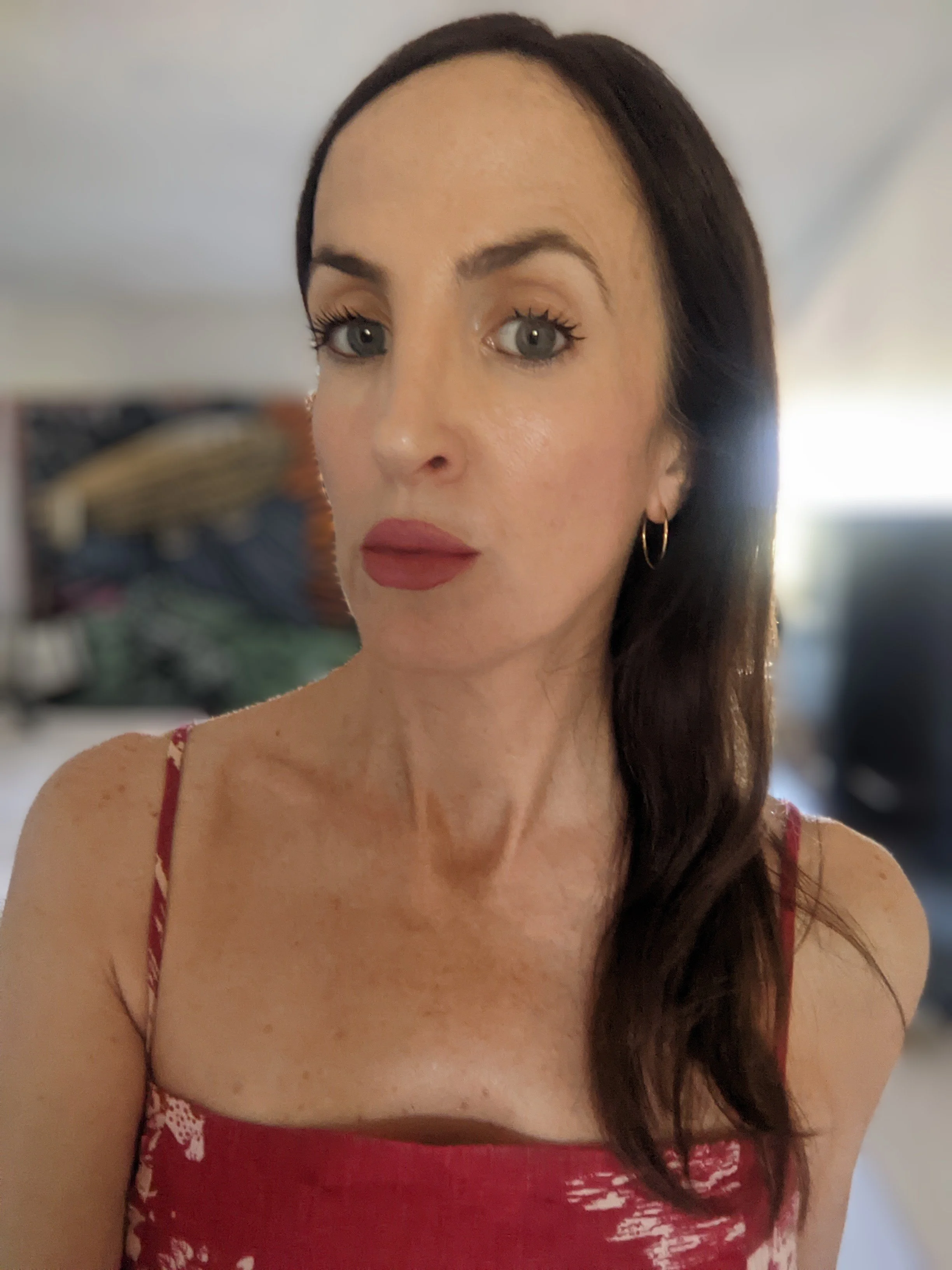
ABOUT THE AUTHOR
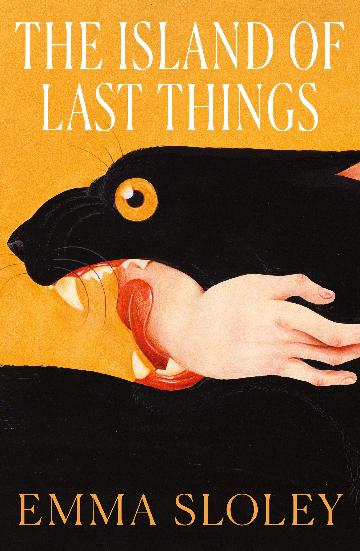
Emma Sloley is a fiction writer, former travel writer, and the author of two novels, Disaster’s Children (published 2019 by Little A Books), and The Island of Last Things.
Her short fiction has been a finalist and short and long-listed for honors including The Missouri Review Editor’s Prize, the Commonwealth Writers’ Prize, the Disquiet International Literary Prize, the International Literary Seminar Fiction Contest, the Tucson Festival of Books Literary Awards, and the Bridport Prize.
0 Comments