


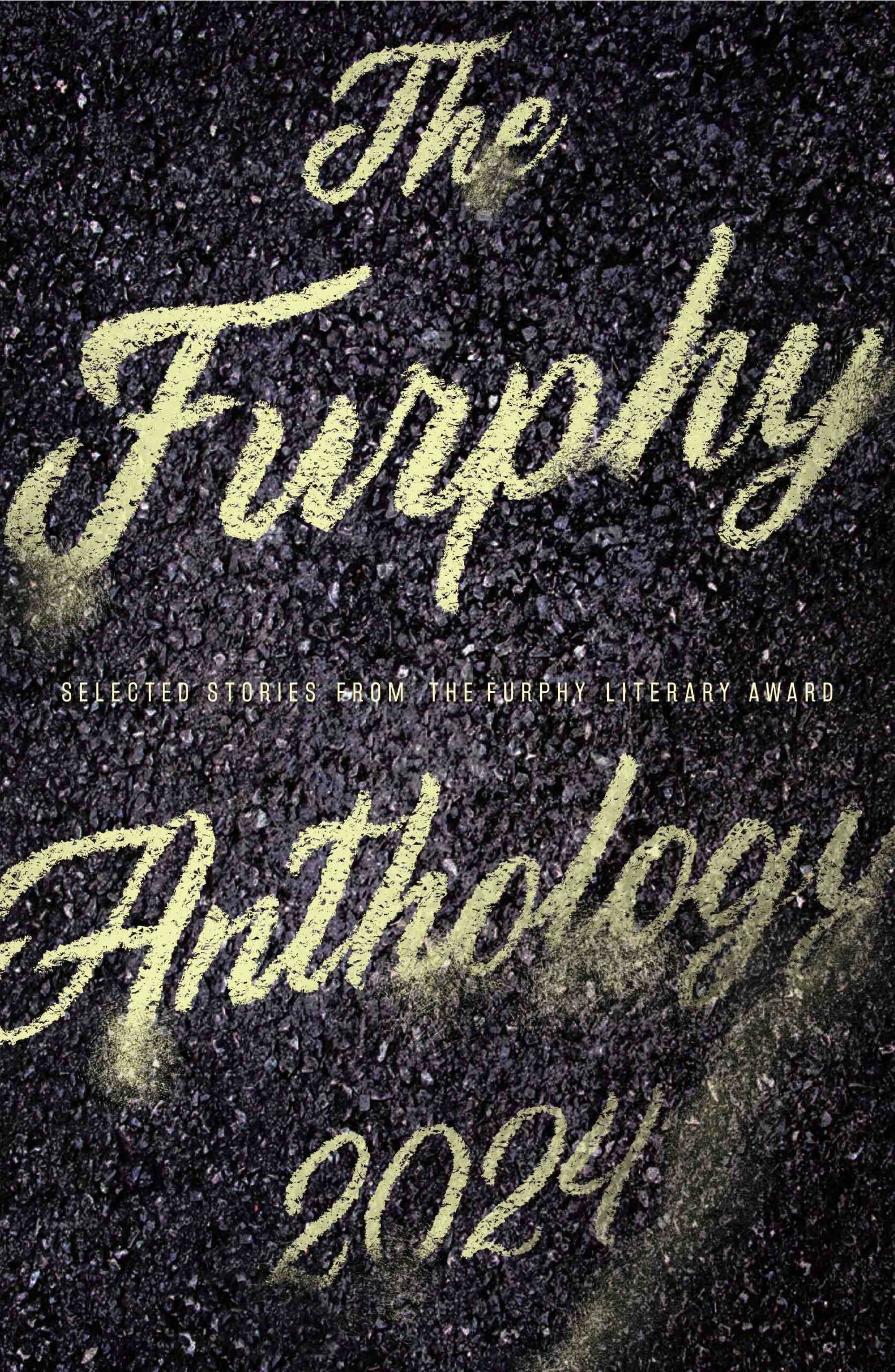
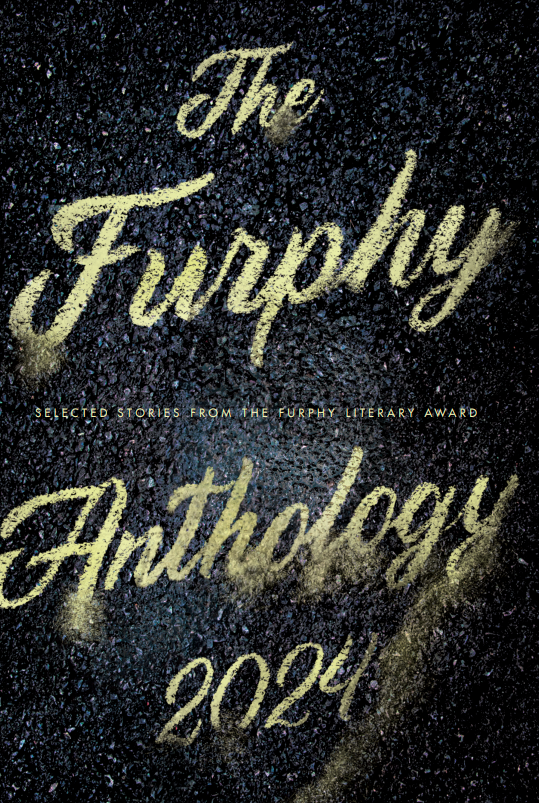
The Furphy Anthology 2024 is a collection of the 16 stories short-listed for the 2024 Furphy Literary Award. They are the best of the best – diverse, entertaining, challenging.
Read on to enjoy one of the short stories.
MY MOTHER
MINH HIỀN
In memory of my mother
In 1980, I sat for the engineering degree entrance examinations at Trường Ðại Học Bách Khoa, the University of Technology in Saigon.
After the first exam I cycled home and was overwhelmed by a delicious aroma at the doorway. My mother’s dressmaking table was covered with colourful food. The dark greens of a mixture of herbs were surrounded by the light greens of coriander and lime at one end. Banana blooms in purple and gold sat in the middle with bright but dark red little chillies competing for attention. At the other end were bright yellow noodles, the vibrant orange of prawns and the brown and gold of sesame rice crackers. These were the ingredients for my favourite food: Quảng noodle soup.
Mama told me to sit at the table. She filled a bowl with herbs and noodles, spread over some prawns and spring onions, and then she poured soup from the steaming pot over the noodles with a serving spoon.
She put the bowl beside a plate of sesame rice crackers and lemons in front of me.
‘You need to have the energy to sit for the afternoon exam,’ Mama said.
****
The day the results were announced, I cycled to the university alone.
There was a small crowd at the front gate. I secured my bicycle and joined them.
I searched for my name in the long list on the papers posted on the wall. I recognised a few names from my school. My heart was pounding as I looked up and down the list of names, reading every row.
‘Why can’t I find my name?’ I asked a girl standing next to me.
She told me that I could make an enquiry at the central office and explained how to get there.
I cycled more than ten kilometres to that place, only to be told by the woman at the central office that I was not allowed to study engineering.
‘You have two choices, studying for an accounting degree or a diploma in teaching,’ the woman said.
‘Why?’ I asked.
‘You are good at maths.’
‘I do not want to become a maths teacher.’
‘We think you should become a maths teacher or an accountant.’
‘Accountant,’ I frowned.
She repeated the only two choices available and gave me a form.
‘Think about it,’ she said. ‘If you want to take the offer, answer all the questions in here.’
I took the form.
I never knew why the education board allowed me to sit for the engineering degree entrance exams and then decided that I should learn to teach maths or manage money. I had never considered studying accounting. I did not even know that there was a degree in it. I might have become a very good mathematics teacher, but my father was a teacher and I saw how teaching had changed since Saigon fell. There was no longer any respect for teachers. Why couldn’t I choose to study what I wanted?
****
At home, after I calmed down, I carefully read the form the woman had given me. I saw there were questions about my grandfather, my father and my elder brothers, what they did for their living, where they lived and whether anyone in our family was a member of the Communist Party. Reading the questions listed I realised I would never be allowed to get a higher education degree as three generations of my family’s lives and ideals did not match the government’s ideology.
My father said, ‘For years, you have consistently topped your class, so if you cannot get admission into university then there is something wrong with the education system. I will send you abroad to study. Without an education you have no future.’
I tore up the form.
****
I asked many friends of my parents and my father’s relatives from the North, ‘Why my friend, who did not do as well as I in the examinations, got admitted to the University of Technology to study engineering, but I did not?’ Some avoided answering my question. But my father’s cousin explained, ‘You cannot do anything about it because of your family history. Your father left the North in 1954 and now your elder brothers have left Vietnam for Australia. You are still young. Wait! In a year or two, things will change.’
My father said, ‘Hữu chí cánh thành.’ (Those who have willpower will succeed.) ‘I will send you to study in Australia, my daughter,’ he added. His tone was positive and he spoke as if he were about to put me on board one of those five-star grand ships touring the Pacific Ocean.
In April 1981, I left Vietnam in a small fishing boat with my 15-year-old brother Bé.
****
A year later, in Hobart, my eldest brother Tri handed me a brown- paper envelope addressed to me.
‘What’s inside?’ I asked nervously as I felt its softness.
‘Open it,’ Tri said. ‘It’s from mother.’ He was curious and wanted me to hurry up.
When I touched the silken purple, I saw my mother bending her head over a piece of fabric, holding it carefully with her left hand while up and down her right hand moved, pulling a tiny needle with a long thread, little by little leaving a small trace of red, orange, yellow, green. My mother had made me a new blouse.
I spread the blouse on my bed and ran my fingers over the silken threads. It had short puff sleeves and a round neck. There were eight large sunflowers, eight buds and fourteen green leaves. Each flower was centred with numerous seeds of red, surrounded by large petals in bright orange and shining yellow.
I heard Mama’s melodious voice from the other side of the Pacific Ocean:
Green is the colour of tenacity,
Purple is the colour of royalty and nobility,
Red is the colour of the five-fingered flower – the flower of love,
Orange is the colour of the sun – the sun of honesty,
Yellow is the colour of gold – gold for people – the people of loyalty,
Be like the sunflower – always turn towards the sun –
the sun of truth, loyalty and honesty.
‘Yes, mother,’ I said as I touched the sunflowers. My fingers rested on a large leaf and thought, green for the bamboo – the bamboo of tenacity.
As I touched the threads I decided I would only wear my sunflower blouse on special occasions so that I could preserve its beauty forever.
I had watched my mother making clothes since I was born. Whenever she made a new blouse or a new áo dài, the Vietnamese traditional dress, she would explain why she chose certain colours, why she made certain styles and why they looked good on me.
A beautifully made áo dài with embroidery is a piece of art that shows the core characteristics of the woman who wears it. An áo dài with embroidery shows that a woman of the twentieth century is not just an obedient daughter, a faithful wife, a devoted mother, but also a gracious and dignified individual person who not only has the four traditional virtues of Công, Dung, Ngôn and Hạnh – diligence, elegance, proper speech and good behaviour – but also works professionally to support her family.
While I was living in Hobart and my mother was in Saigon, she made me more beautiful, colourfully embroidered blouses and sent them, one by one, in a brown paper envelope. She made me purple, red and blue blouses and a red jumper. She made me a dark-blue blouse embroidered with blue sunflowers. She made me a red blouse with red roses delicately strung as a garland in the shape of the heart.
Mama was a dressmaker all her life. She had turned fabric into beautiful áo dài and dresses for tens of thousands of women and children to wear in homes, schools, offices, temples and churches long before I was born, and while I was living in Hobart she was still making them and teaching others how to sew. The only time of the year she would rest was Tết, the Vietnamese New Year.
**********
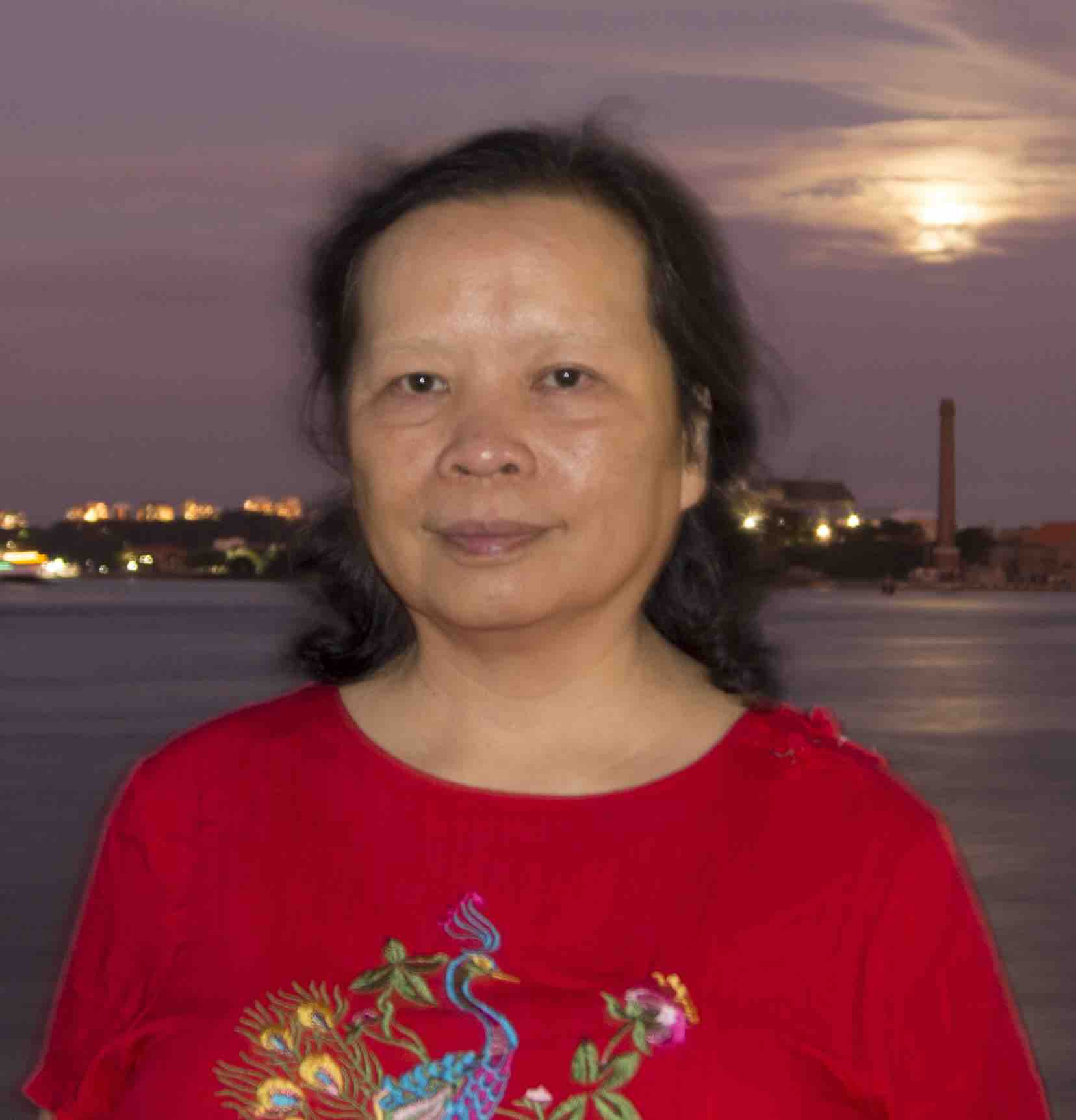
ABOUT THE AUTHOR
Hien is the recipient of multiple national manuscript development programs. Her writings centre on the plight of marginalised members of society and Vietnamese Australians.
At 17, she sought refuge in Australia, settling in Hobart. She has been awarded numerous qualifications from Australian universities.
0 Comments