




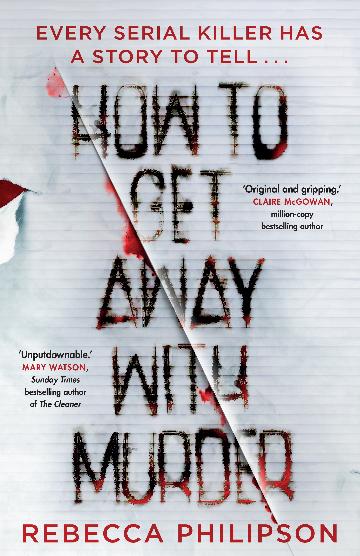
In How to Get Away with Murder by REBECCA PHILLIPSON, a serial killer publishes his ‘how-to’ guide for murder which starts a viral hunt for the next potential victim. But can the police catch the killer in time?
Read on for a Q&A with the author.
MEET REBECCA PHILLIPSON
What sparked the idea for How to Get Away with Murder?
During the pandemic I began blogging. I wrote a lot of true crime articles, mainly survivor stories and I became interested in how serial killers were outsmarted and caught. From that, I realised that monsters who went to great lengths to conceal their crimes often led to their own downfall by doing things that put them on police radars. A dark voice landed in my head. It’s not like we have a manual for getting away with murder, is it? he demanded. From that moment on, Denver – my serial killer character – was never silent. His arrival was timely because I had just applied to the Creative Writing Masters program at UEA, when my tutor asked me what my novel was about, I replied simply getting away with murder. It started right there.
 What are some of your favourite crime and detective novels?
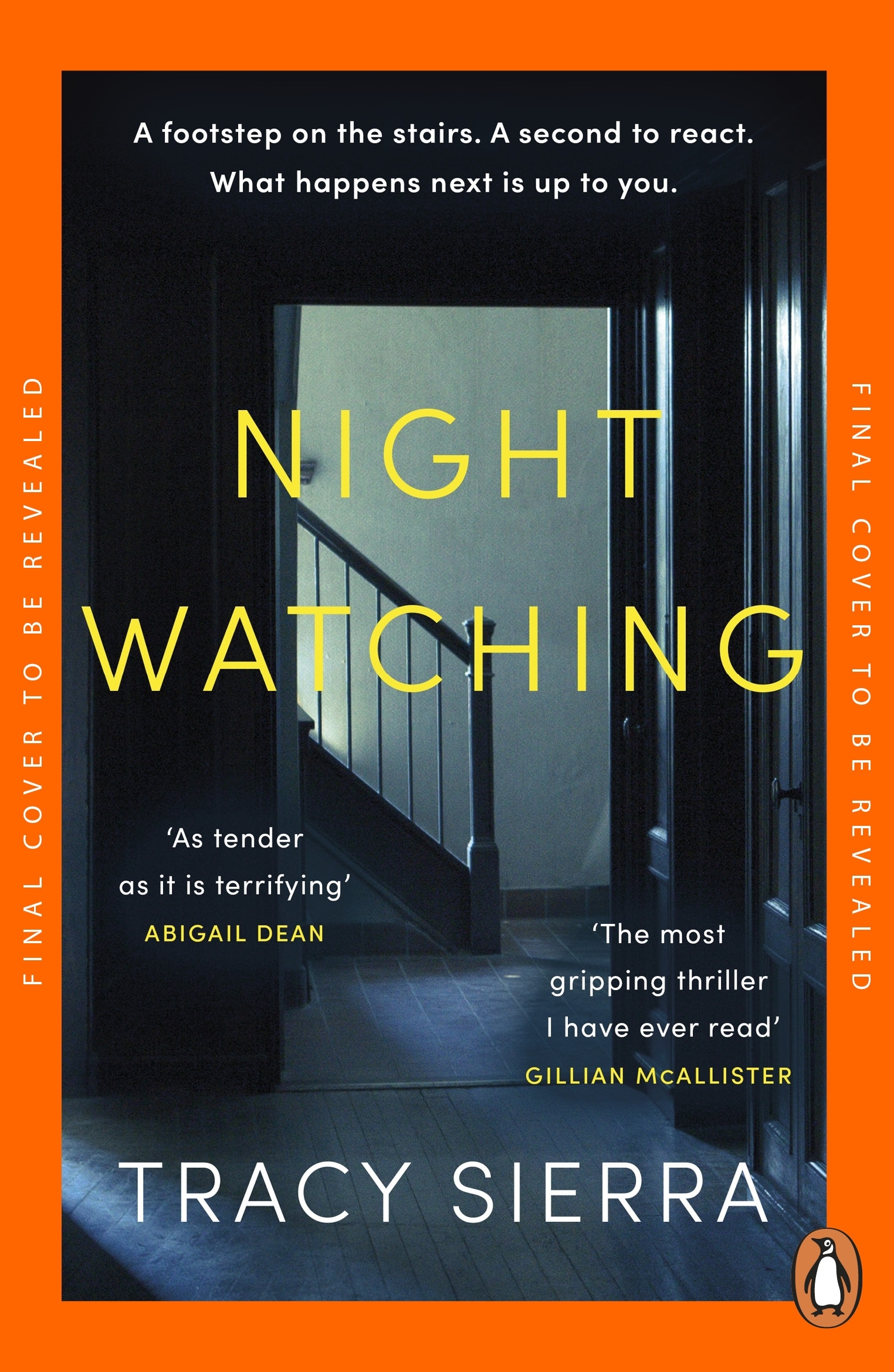
My most recommended book of 2025 was Nightwatching by Tracy Sierra. What a stunning debut. I very much enjoyed The Butcher by Jennifer Hillier and Zoe Rankin’s The Vanishing Place too. I’m a big fan of Paula Hawkins, Will Dean and Chris Whittaker. I read a lot of classics as well – I read Crime and Punishment and Lonesome Dove over Christmas. I try to read very broadly and I always have a craft book on the go – at the minute it’s In Writing by Hattie Crisell.
Was it challenging to step inside the mind of a serial killer like Denver Brady? Did you have a de-stress routine if the research/writing process was too much?
It felt to me like Denver, the serial killer, stepped inside of my mind. From day one of writing How to Get Away With Murder, he was loud and clear at all times. I took up netball when I was writing this novel – and the sport went on to be included in later drafts – I find it incredibly de-stressing to play a competitive but friendly game with amazing women. Writing can get lonely sometimes and I think good company and netball are essential for my mental wellbeing. I’m pleased I have those things in my life.
What was your research process for your ‘manual for aspiring serial killers’ and is your book inspired by any true stories?
Initially, I made up the advice Denver gives in How to Get Away With Murder based on my long-standing interest in true crime. As the drafts and edits progressed, I did more research and fact checking. I did a lot of online research, attended a lot of public lectures both in person and online, as well as visiting true crime events and ‘museums.’
I found a couple of global studies in serial killers and how they are tracked and detained and this helped me structure Denver’s advice. I attended one lecture on Profilers and their impact on police investigations and this shaped my detective character, DI Sam Hansen, and her thinking.
There’s no one true crime story that influenced this novel, but rather they all did. Every show, every movie, every book came together in my mind when I was writing. That said, I do refer to a number of real killers and cases in How to Get Away With Murder, and they come from my own consumption of true crime.
In a similar vein, true crime is an intensely popular but also deeply controversial genre, with families of real-life victims often feeling that their pain is exploited by a voyeuristic public. What is your opinion on the current cultural obsession with true crime, and do you address or critique it in How to Get Away with Murder?
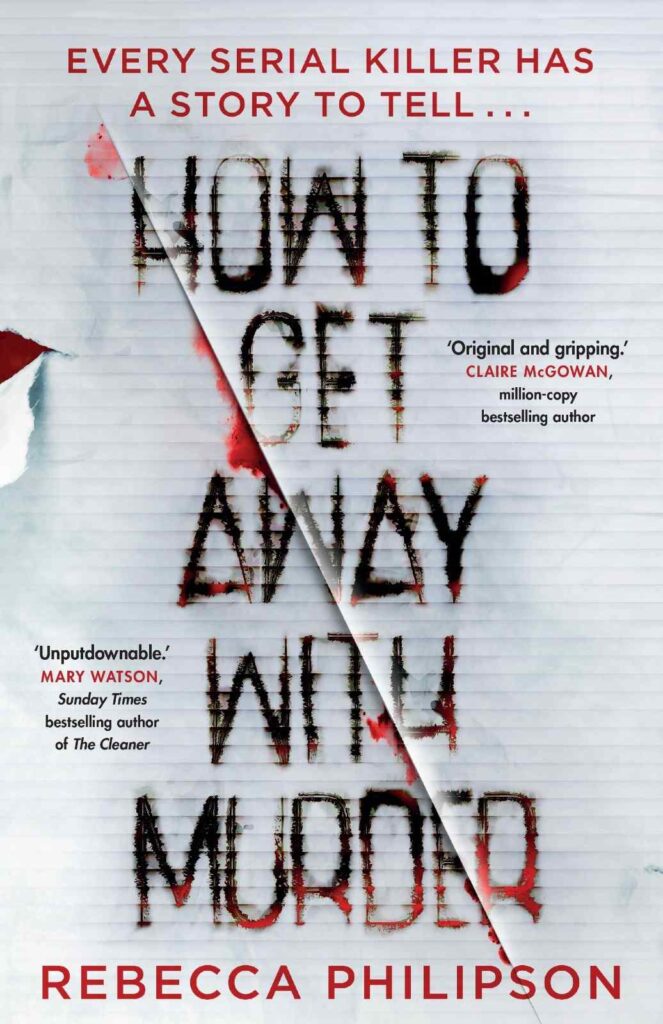
How to Get Away With Murder is a serial killer thriller and definitely leans into a cultural fascination with true crime. It is crammed with true crime references and facts. That said, at the same time as hopefully satisfying readers, this novel also critiques the celebritisation of serial killers and focuses heavily on VAWAG. One reviewer described How to Get Away With Murder as driven by ‘feminist rage’ and I think that is true. My detective is herself a victim of SA and is passionate about punishing perpetrators. The metafictional structure of the book within a book gave me a lot of opportunity to comment on these issues, and I hope I succeed in asking questions of readers.
Did you learn anything about yourself through the writing process, or did your own perceptions of crime/true crime genre change?
I joke that I emerged from lockdown with a crime novel and a German Sheppard, but it’s not really funny when you think about that for too long. I learned, during the writing of How to Get Away With Murder, to talk about the perpetual vulnerability I feel as a woman. I don’t think I fully realised how we cater for a world in which we do not feel safe. I think crime fiction speaks to that fear we all share and I don’t think I could articulate that before I wrote How to Get Away With Murder. It’s been a talking point with readers already
What do you hope readers will take away from How to Get Away with Murder (hopefully not how to successfully evade the authorities)?
I very much hope readers come away from How to Get Away With Murder entertained and satisfied but also asking questions about serial killer celebritisation, police corruption and human nature itself. While the book is a thriller, I think it has a powerful message behind it too and readers are connecting with both sides of the novel. I hope that continues.
ABOUT THE AUTHOR
 Rebecca Phillipson grew up in a mining town in County Durham, where she still lives. Educated in a small convent, she deferred her university degree to set up her own business at 21. Rebecca finished her BA in English Literature at Northumbria University, graduating with First Class Honours, and completed a PGCE in English at Durham University whilst on maternity leave. After returning to her business, Rebecca also lectured part-time in Literature and Language in Newcastle. Having sold her business in 2020, Rebecca is now devoted to her writing career.
She graduated from the University of East Anglia (UEA) Masters Program in 2024 and won a scholarship to Liverpool University where she will be reading for a PhD in Creative Writing.
0 Comments