


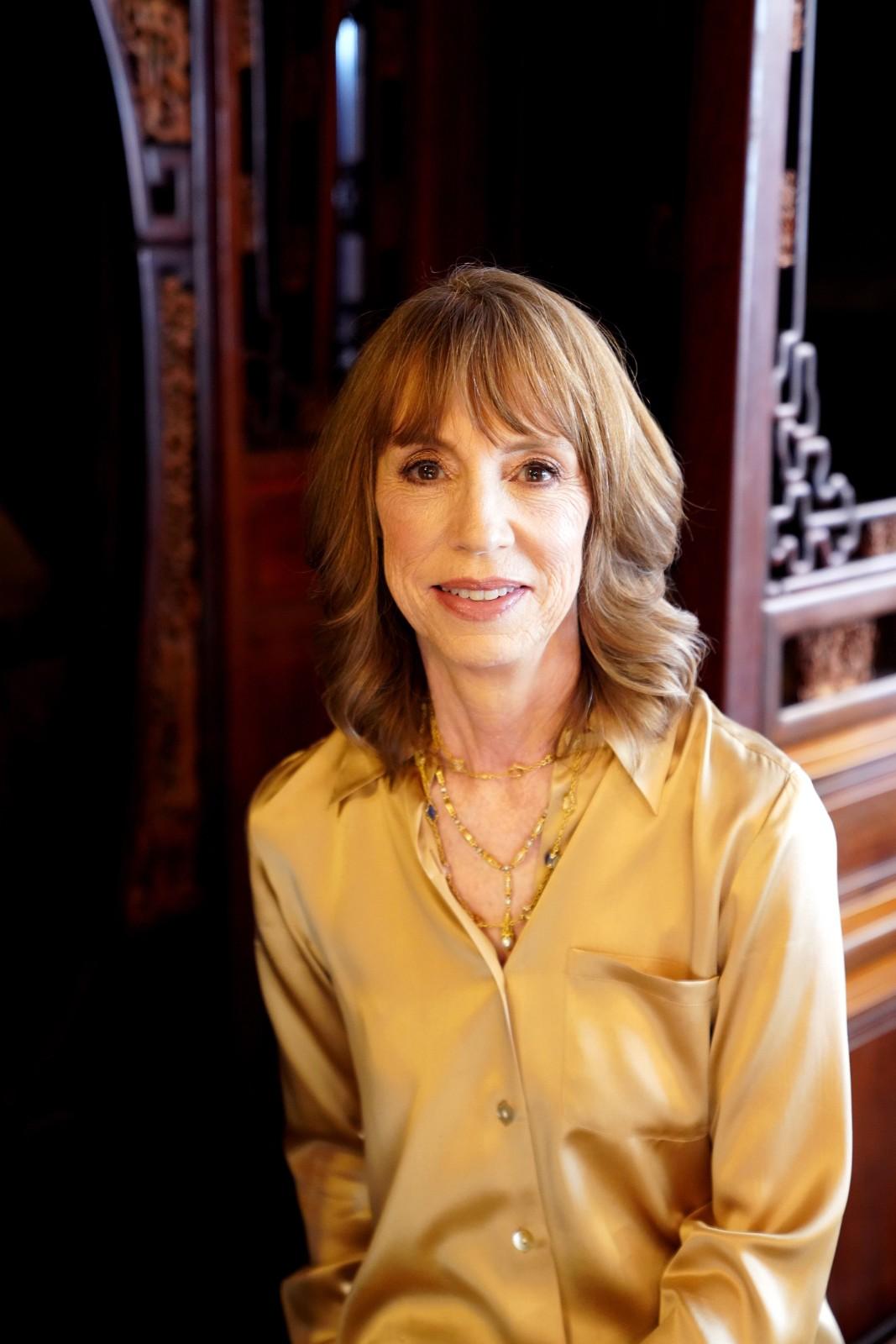
LISA SEE is a best-selling author of historical fiction, who has always been intrigued by stories that have been lost, forgotten, or deliberately covered up.
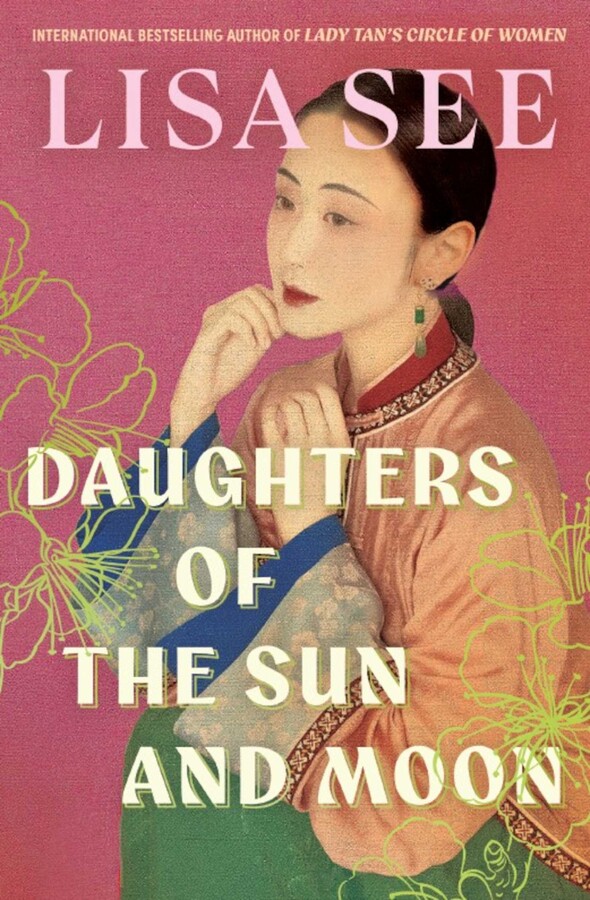
Her latest book Daughters of the Sun and Moon follows three Chinese women arriving in post-Civil War Los Angeles, and the incredible friendship that brings them together though hardship and heartbreak. Read on for a Q&A with the author about the real events that inspired this story.
MEET LISA SEE
What sparked the idea for Daughters of the Sun and Moon?
 I was inspired in part by something that had an impact on my family history. In 1871, 10 per cent of the population of Los Angeles shot, stabbed and hung ten percent of the Chinese – 18 men and boys – who lived in the city at that time.
After the ‘Night of Horrors,’ politicians did everything they could to erase what had happened. Instead, they promoted Los Angeles as a place of abundant sunshine, good health, open land, tolerance, and endless possibilities. (All of which are still selling points today.)
My great-grandparents – a mixed-race couple when it was against the law for Chinese and whites to marry in California – moved to Los Angeles in 1897, believing, correctly, that the city would be safer for them and their children. So, in many ways, the Night of Horrors is part of my family’s origin story.
As a historical fiction writer, what does your research process look like and how do you dive into the feeling of the past?
I’m often asked this question, and I’m embarrassed to say I have to answer it the same way every time. Doing the research is my absolute favourite part of the writing process. To me, it’s like a big treasure hunt. I never know what I’m going to find.
And, like an explorer or a miner, I try every means possible to find nuggets of gold. For Daughters of the Sun and Moon, the research took me in many directions and to many different archives and libraries. What was life like for the wife of a Chinese merchant in those days? What was life like for a woman sold into the sex trade? What did women wear? How did they do their hair? What about makeup? Did they have bound feet, natural feet, or, like Moon in the novel, walk with a limp caused by failed footbinding? What herbs and other treatments were used in traditional Chinese medicine to help a woman get pregnant, prevent pregnancy, or help with childbirth and recovery? How did people get around? On horseback, by horse-drawn carriage, walking?
One of the ‘survivors’ of the massacre was a white poodle. How did a white poodle come to be in Los Angeles in 1871? In other words, I looked for everything!
But nothing was more important to me than looking at the legal files from 1870-1871 that are held at the Huntington Library in Pasadena, California. Although some of the initial massacre records ‘disappeared’ and many of the court documents were destroyed, the Huntington has preserved what has survived. All of this was written by hand in the 19th century. It was so hard to read! By the end of the day, I felt like a cartoon character with my eyeballs hanging down to my feet, but this was amazing material. I have on my website photos of some of the documents – including a map and also little drawings from a court reporter – so readers can get a sense of what it was like to look at these archival materials and what is in them.
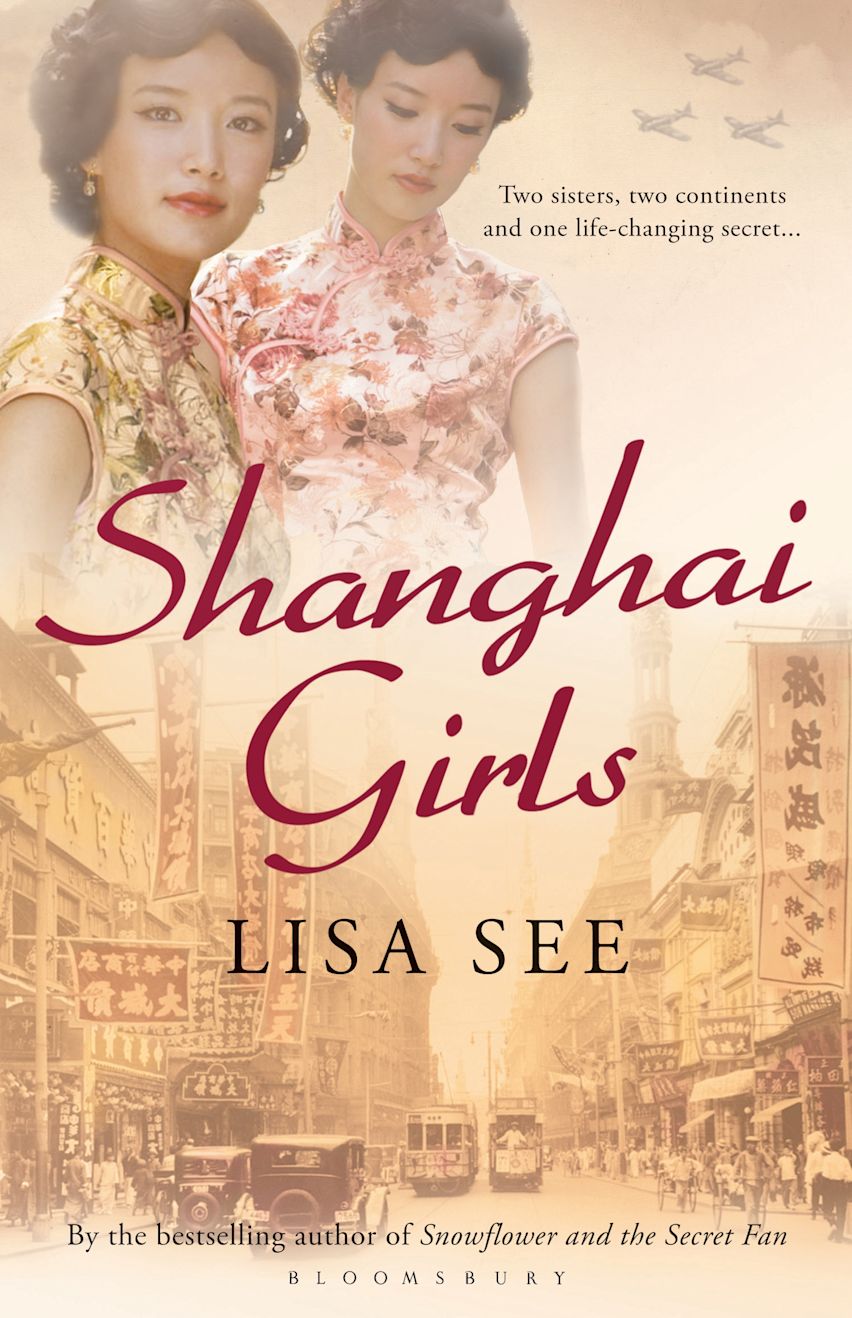
Your previous books, including Lady Tan’s Circle of Women and Shanghai Girls, focus on the solidarity of women in times when Asian women lacked autonomy. What keeps drawing you back to these kinds of stories?
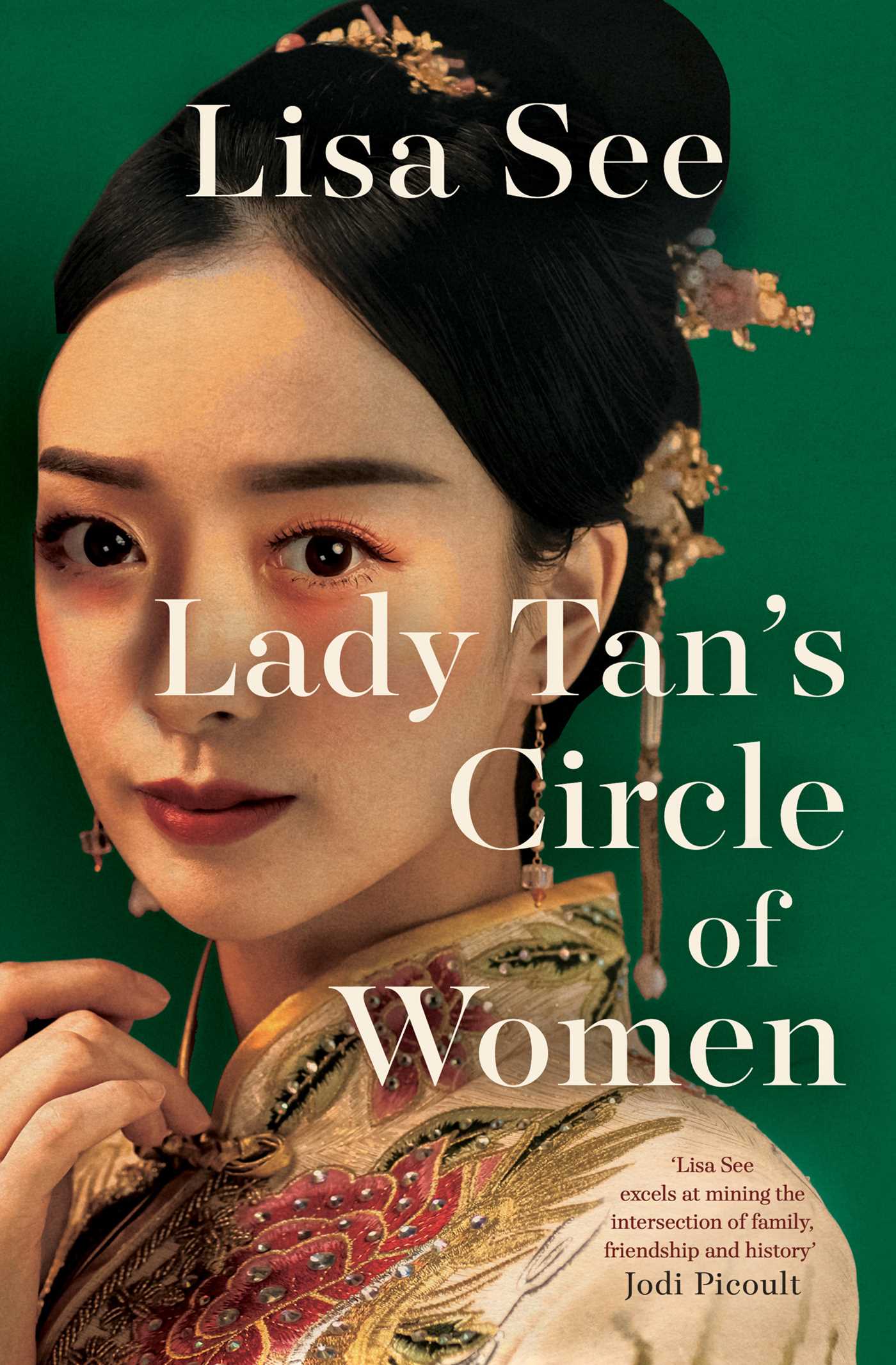 I feel that women’s stories – as they have moved through history – haven’t been told very much or very well. I’m interested in stories about women that have been lost, forgotten, or deliberately covered up. I didn’t come up with this concept, but it bears repeating: they call it history – his story. I’d like to know more of her story, since women have been living in history for every step of the human journey. While my novels have focused on Asian women, I try to connect to the universality of women’s lives. Some women may use a coffee pot, while others use a teapot, but what is universal is that we all long for love. We all had a mother and father somewhere along the way. We’ve all faced hardship and challenges. We are here because of the women who came before us. We stand on their shoulders. I want to honour everything they did so we can have the opportunities and freedoms that we have today, while acknowledging that those opportunities and freedoms are still not available to all women around the world.
Are there any Chinese authors or historical figures who inspire your work?
The women writers in mid-17th century China have long inspired me. They lived in the Yangzi delta, where, in this one area alone, there were more women being published than altogether in the rest of the world at that time. I’ve been particularly inspired by the women poets who belonged to the Banana Garden Club. They believed that you have to “cut to the bone” to write. As writers, we can’t just skim alone the surface of emotions and experiences. We have to dig deep within ourselves to try to find the truth of what it means to be human.
 Out of the three main characters, Dove, Petal and Moon, who was your favourite to write?
Eeek! Is it fair for me to admit who my favourite is? My first impulse is to say I loved them all. That said, my favourite character is Petal. She’s sold by her family, taken to America, and then sold into prostitution. This takes place not long after the American Civil War. Slavery was outlawed as a result. There was one exception, however, and that had to do with the sale and ownership of Chinese women in the state of California. Petal’s story is inspired by the adventures and misadventures of two real women – Sing Ye and Sing Yu – who, once they got here, did everything they could to escape and find freedom. I continue to be inspired by Petal’s courage, endurance, and persistence.
Your stories often describe the darkest elements of history, especially in this book and the ‘Night of Horrors.’ How do you find joy and hope whilst still realistically describing the past?
When I’m doing some of the research or writing tough scenes, I’m not experiencing a lot of joy or hope. I try to be in my characters’ shoes and experience what they’re experiencing. To keep my emotional balance, I take lots of breaks. I drink tea. I spend time in my garden. I take long walks. I also write the last sentence first so that I know where my characters will be at the end of the book. I won’t say that every book has a happy ending, but for sure my characters grow, change, and evolve. I’m constantly buoyed by their strength and perseverance even as they’re going through tough times.
Dove, Petal and Moon all have a distinct relationship to the practice of foot-binding. Why did you decide to make this a major part of the story, and are there any common misconceptions about foot-binding that you would like to share?
One misconception is that in the past every Chinese woman had her feet bound, but that was far from the case. Footbinding functioned as a marker of social and economic status, as well as something that identified a woman as ‘beautiful.’ In the novel, Petal, a peasant girl, has natural feet. Dove, the daughter of an imperial scholar, has perfectly bound feet, which makes her both desirable and valuable as a potential wife. Moon, the wife of a traditional Chinese medicine doctor, has a deformed foot from her binding going wrong as a child. Footbinding became a way for me to write about social status outside the usual markers of money, education, clothing, and the like.
Why do Dove, Petal and Moon define themselves as daughters of the ‘sun’ and ‘moon?’
These women are different from each other in many ways. Whether they had their feet bound or not is one example of that. But there are other differences as well. Dove is innocent, not too bright (if I’m being honest), and so beautiful that she is often compared to one of the Four Great Beauties of China. Petal is rough around the edges and uneducated, but she’s also what we might call street smart. Moon is literate, fluent in English, and has the freedom to roam around the town when most Chinese women were kept in utter seclusion. The three women are opposites in many ways – like the sun and moon – but they are drawn together by the struggles they face.
What is next for you? Any projects on the horizon?
I’m in the preliminary stages of doing research, which, again, is my favourite part of the writing process. Beautiful Flower and Little Thunder will weave together two stories of love, separation, isolation, survival, and reunion. The primary plot follows two curators who work at the Palace Museum during the China’s Cultural Revolution. Can they find love and happiness during this time of tumult? The second plot follows the true story of a lute called Xiao Hulei (Little Thunder) as it travels through more than a thousand years of history.
**********
Read our interview with Lisa See on Lady Tan’s Circle of Women
Read our review of The Island of Sea Women
ABOUT THE AUTHOR
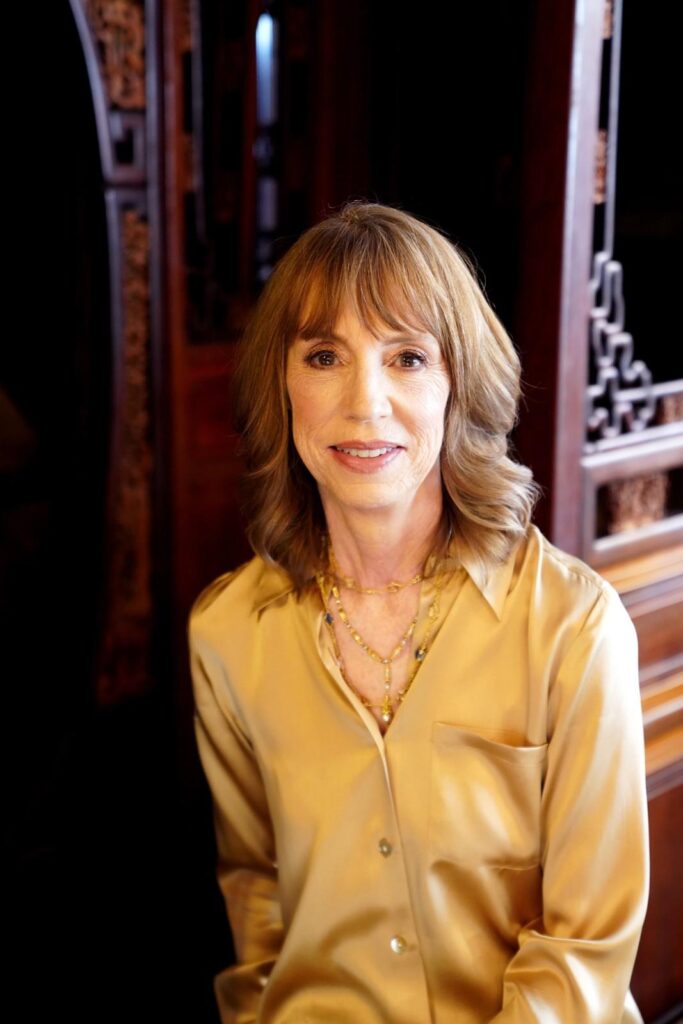 Lisa See is the New York Times bestselling author of Lady Tan’s Circle of Women, The Island of Sea Women, Shanghai Girls, Snow Flower and the Secret Fan, Peony in Love, China Dolls, and Dreams of Joy, which debuted at #1. She is also the author of On Gold Mountain, which tells the story of her Chinese American family’s settlement in Los Angeles. See was the recipient of the Golden Spike Award from the Chinese Historical Association of Southern California and the Historymaker’s Award from the Chinese American Museum. She was also named National Woman of the Year by the Organization of Chinese American Women.
Read more on the publisher’s website
0 Comments