



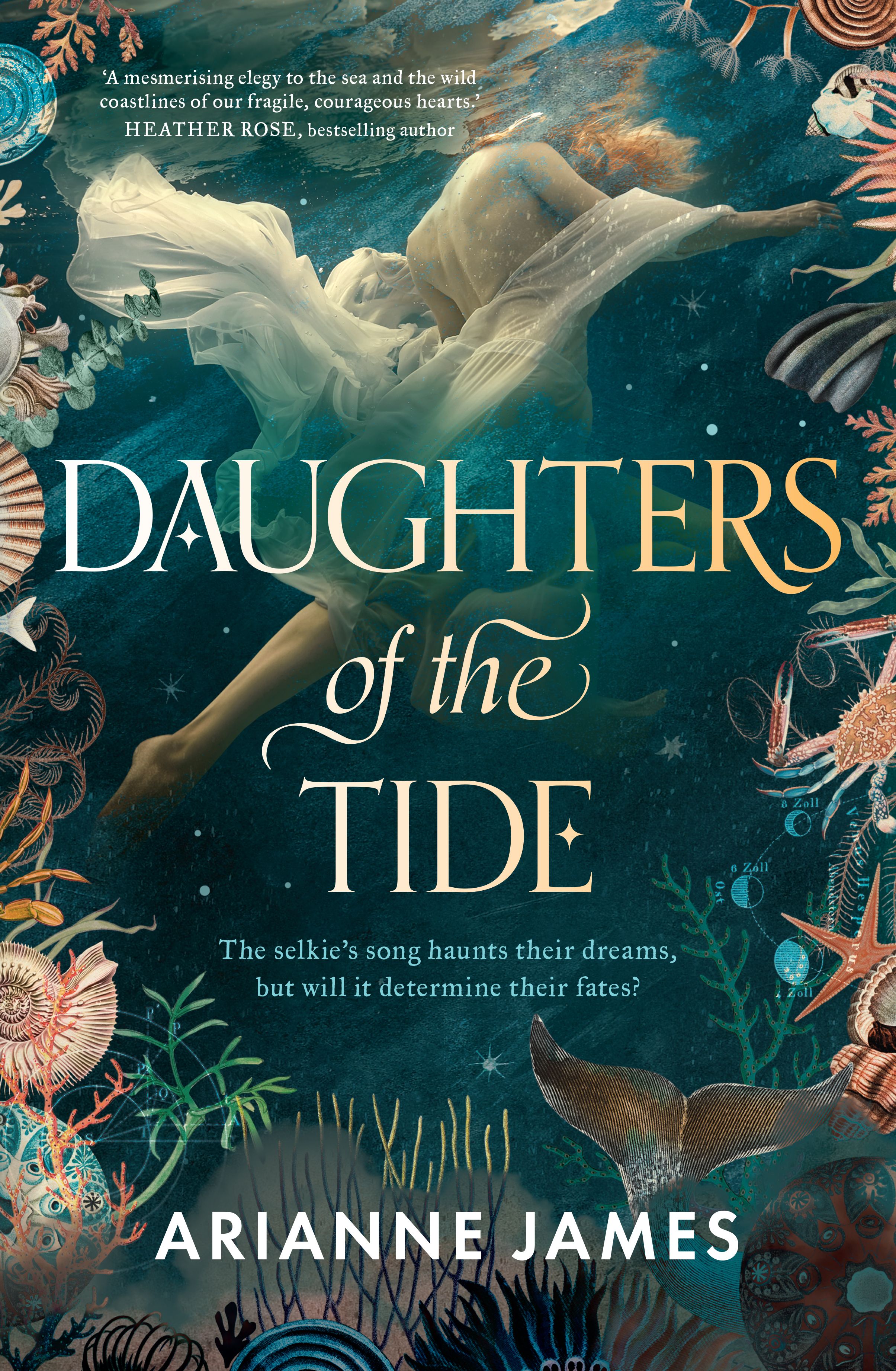
Daughters of the Tide by ARIANNE JAMES is a gorgeously atmospheric debut, where the Findlay family live on an isolated island off the coast of Tasmania.
Surrounded by crashing waves, folk stories, and the songs of selkies, this Tasmanian Gothic story explores memory and self, the resilience of women and a dangerous longing for the sea. Read on for a Q&A.
MEET ARIANNE JAMES
Where did you get the idea for Daughters of the Tide?
It all started with this image of a woman standing on a clifftop looking out to sea and then diving into the waves. I was just daydreaming when she came to me, and her image was so clear in my mind. The way she stood with such conviction and purpose and determination I knew she was on her way somewhere, either home or to another place. I wanted to find out where, and who she was, so I started writing and the whole story evolved from there. I describe her in the prologue, and this is one of the few pieces of writing from the very first draft that has made it into this final version.
Daughters of the Tide also grew out of my love for the ocean. I wanted to write characters who felt an extraordinary and sometimes uncanny pull towards the sea, and explore what might happen if they became separated from it, or it became a place of fear rather than refuge.
You have written about selkies before, in your contribution to the 2024 collection Voices from the Southern Ocean. Why are you so drawn to this particular creature?
I love the element of transformation in these tales, and the fact that the selkie’s ability to transform is innate, unlike mermaids who have to bargain with a sea witch change into a human form. I also love how incredibly rich these stories are and how they can be interpreted in so many different ways, and I love all the potential for metaphor the seal skin offers. To me, the seal skin represents our soul self, our wild self, and also our capacity for change. And the seal skin can also be viewed as the parts of ourselves we might keep hidden, or only reveal under particular conditions, as in most tales the selkie’s skin remains unavailable to her for the majority of the story.
I also love the selkie woman’s strength. She’s forced to give up her life in the ocean when her skin is stolen, but she’s a survivor, and she never stops fighting, sometimes in very subtle, canny ways, to return home. I think we’ve all experienced moments where we’ve felt our skin, our essence, our true selves, slipping away, either because we don’t feel safe enough to express it or because someone or some circumstance has forced us to give it up. It takes a lot of courage to reclaim ourselves and this is something all of my characters grapple with throughout the novel.
This is your first publication, so could you please share your creative process? Also, what is something no one tells you about writing your first book?
I’m a combination of both plotter and pantser. When I have an idea I start writing, and then if I lose the trail of that idea or I’m stuck on where to head next, I’ll start brainstorming and plotting in my notebooks, and sometimes that will take me chapters ahead and I’ll keep getting more ideas as I’m thinking about one scene, and sometimes I’ll skip ahead multiple chapters because I’ll get an idea for something that could happen much later in the story.
My process is quite chaotic, and not linear. I write the scenes that I’m inspired by in the moment and then end up with a whole bunch at differing points in the timeline and have to knit them all together.
With your first book, I don’t think anyone can prepare you for the feeling of knowing your characters, these people that have become as real to you as your own family members, who have been in your brain for years, are suddenly going to be read and imagined and interpreted by strangers who will bring all of their history and unique experiences to the story, so that every time your novel is read it will be brought to life slightly differently. It’s such a weird, beautiful, highly emotional realisation.
How did growing up in Tasmania/lutruwita influence the atmosphere of the story?
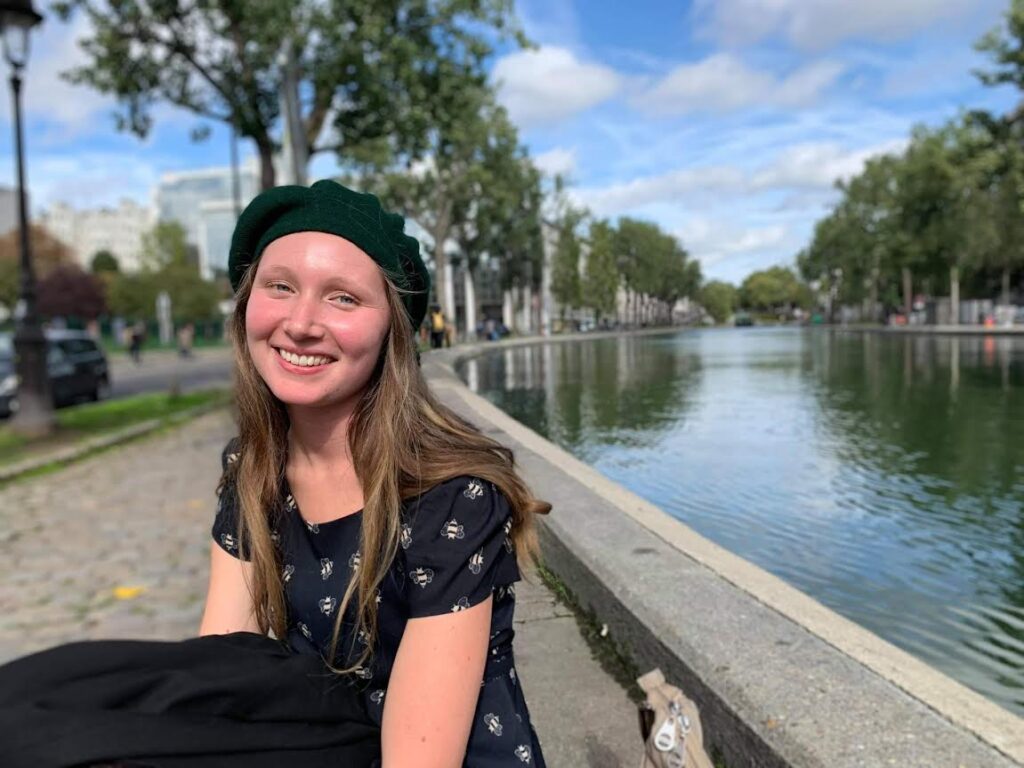 Growing up a stone’s throw from the beach and walking and swimming all along the Tasmanian coastline created such a strong sense of familiarity with this landscape which helped me to describe the ocean and the beaches here. The sea never looks the same on any given day. It’s forever changing, and I love all its faces – the clear as glass water that sparkles in the sunlight and the grey moody seascapes or enormous thundering winter swells. I wanted to reflect all of these in my novel, and in doing so honour the ocean that has been such a source of grounding and calm all my life.
The Tasmanian climate also often lends itself to the kind of foreboding atmosphere present in many gothic novels, including mine, and Tasmania has a very unique feel to it, which is quite hard to describe to someone who’s never visited. I think it has something to do with our historic isolation from the mainland, our access to nature and this creeping sense that the wilderness is never far from taking over. It’s a slower life here, and I think very conducive to creativity. And in Hobart, we’re lucky enough to have our mountain, kunanyi, watching over us.
Could you tell us more about Isla Findlay. Why does she stay in a mansion with a cursed legacy?
At the start of the story Isla is actually planning to leave. She has dreams of studying at Oxford and is ready to step out into the wider world on her own. However, despite these ambitions, Isla’s deep connection to the ocean, and to the seals, along with a song she begins to hear both in her dreams and waking hours, the idea of leaving her home and the ‘family curse’ as she calls it, becomes more and more difficult. Isla is an intelligent, passionate and determined young woman. She loves science and rational argument but she’s also a dreamer and can feel herself being pulled into the orbit of her family’s call to the sea, which terrifies as much as it excites her. Isla is torn between being true to herself and not becoming totally alienated from her family, which is difficult when she’s being pulled towards multiple and sometimes opposing forces.
Stories with uncanny family homes, like The Haunting of Hill House, Mexican Gothic, and We Used to Live Here are very popular with lovers of the Gothic genre. How would you describe this unique niche of Tasmanian Gothic?
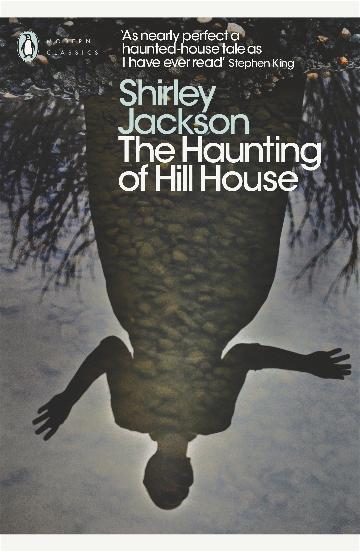 I’m actually still getting used to Daughters of the Tide being described as Tasmanian gothic because this wasn’t something I was thinking about at all during the writing process, but of course I can see why. It’s got the big old rambling mansion on the hill that feels a little sentient, and the ocean is very much written as another character in its own right. There’s also a kind of melancholy vibe throughout, and a few ghosts too, so perhaps I shouldn’t have been surprised. In terms of the niche of Tasmanian Gothic, I think it fits with those stories where the past is still alive and encroaching on the present. Tasmania has a very dark history, and while the secrets and the past that come to light in my novel are very much specific to my characters and their family story, you can’t walk through the Tasmanian landscape without being aware of our violent colonial history.
Was it difficult writing a narrative where the line between fantasy and reality is blurred?
The scenes where my characters struggle to decipher what’s real and what’s dream or memory or myth were actually some of my favourite to write, because I’m fascinated by how fallible memory is, and I really wanted the reader to decide for themselves what was true. There’s no wrong answer. But it was difficult to ensure these scenes weren’t confusing, and I’m still not sure if I’ve achieved this!
What was your research process into selkies and folk legends? Do you have any stories from your childhood that you included in Daughters of the Tide?
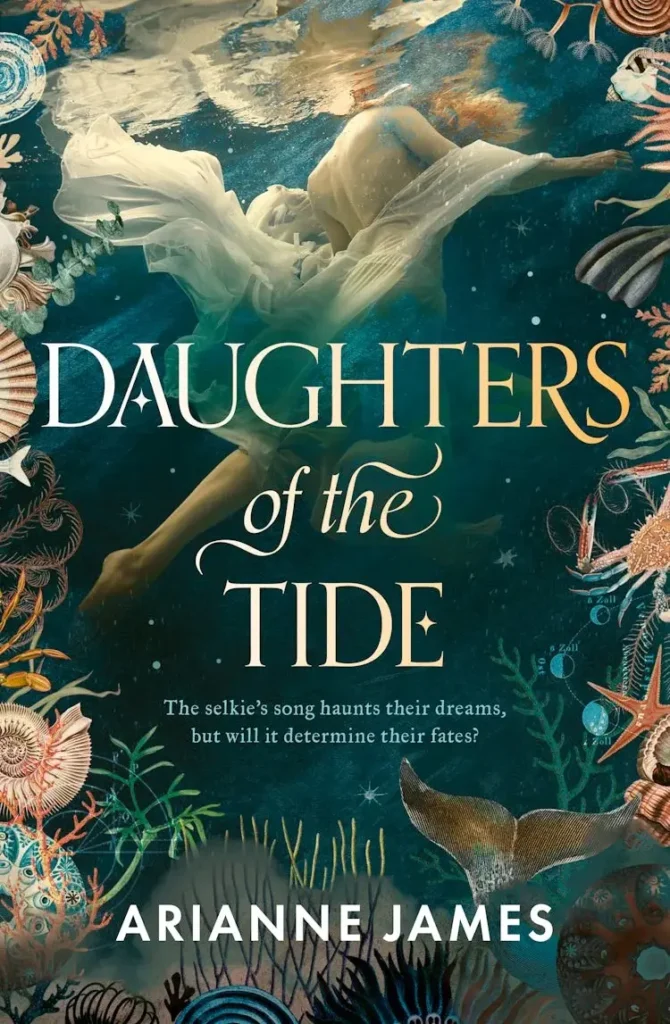 I’d already read a lot of Celtic folktales before writing this novel, so most of my research focused on seals and scallop diving and the kind of technology that was available in the 1920s, and life on Orkney. But as I was researching the Orkney islands I did come across some more wonderful folktales specific to these islands, like the fin-folk, which are in some ways like the selkie’s malevolent cousins. I recorded a podcast with fellow selkie loving author Lauren Keegan recently where we talk about the fin-folk and our research and lots more about selkies and how we’ve included them in our novels. You can access it here – https://ariannewrites.com/2026/04/29/the-secrets-of-selkies/
No specific stories from my childhood were included in Daughters of the Tide, but the frame tale fairy-tale that I weave throughout the novel, Orlena’s story, was a nod to all those fairy-tales I grew up hearing. I wanted to include a story within a story that had that ‘once upon a time’ tone we’re all familiar with.
What is next for you?
I’m currently working on my second work of historical fiction. It’s a dual POV and dual timeline novel and its quite different to Daughters of the Tide, but I’m loving getting to know these new characters and their world.
MEET THE AUTHOR
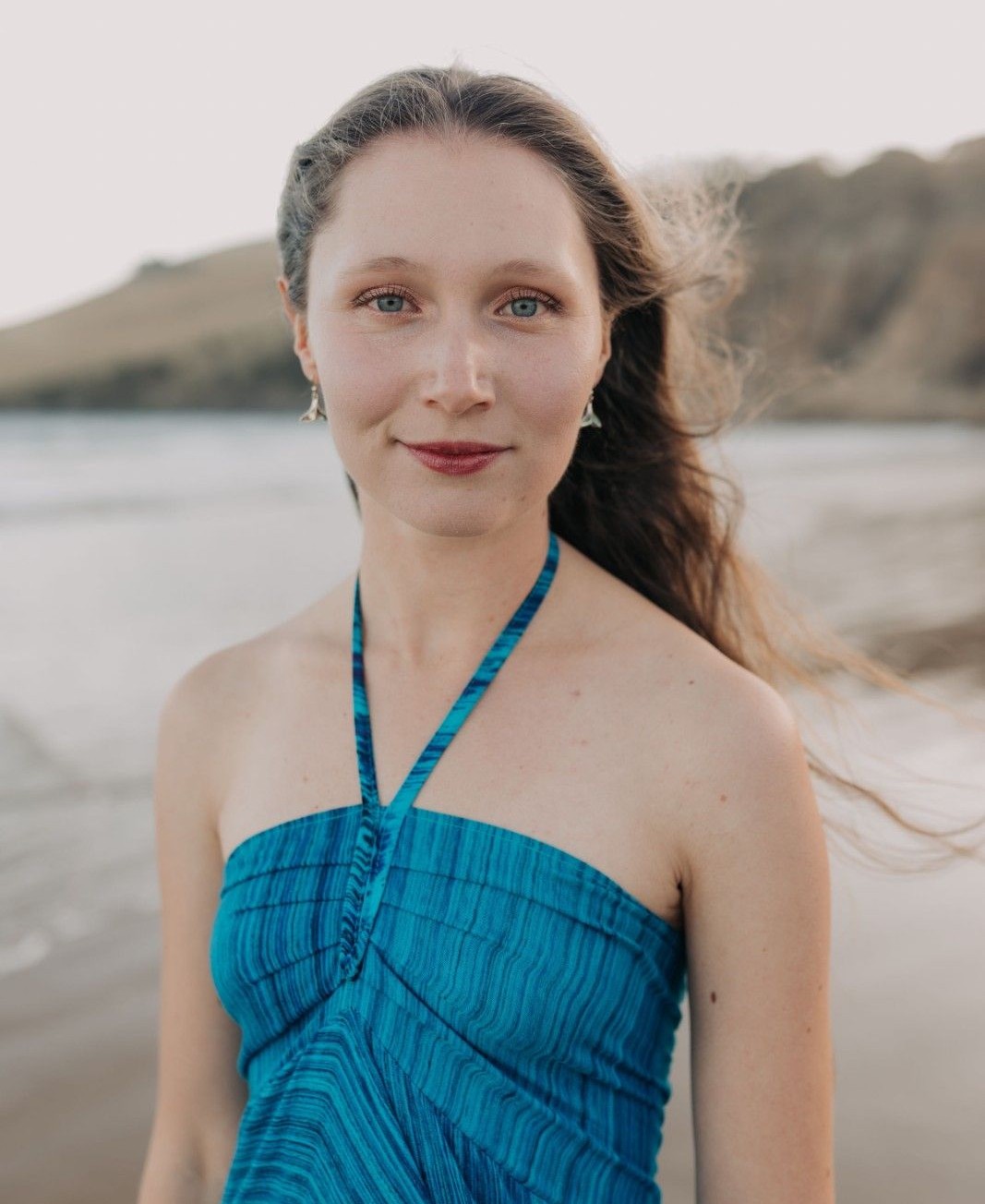
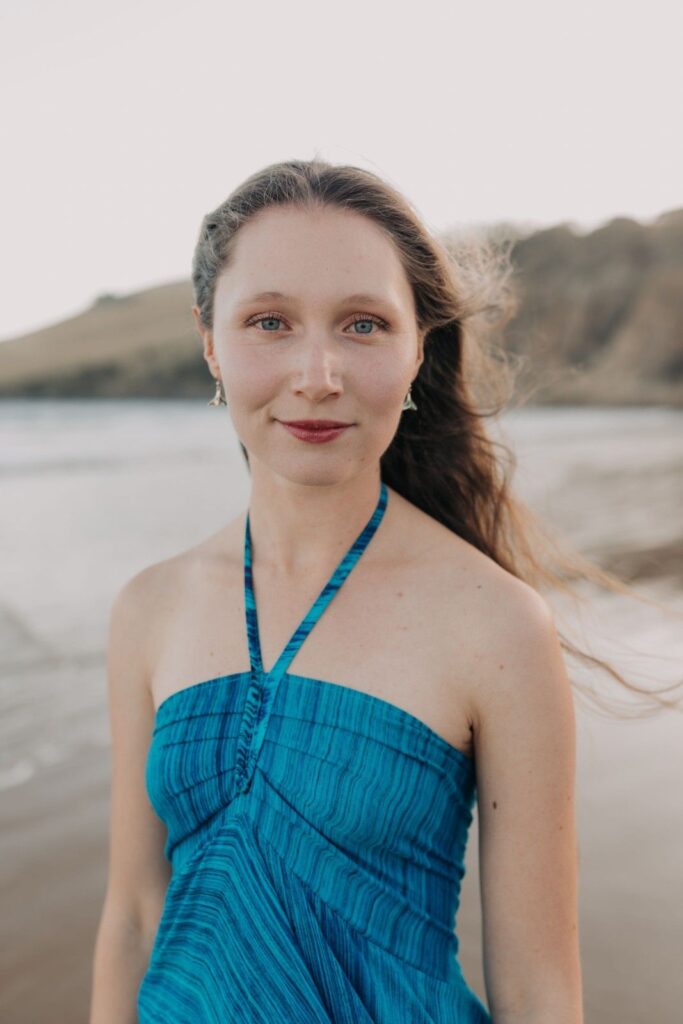 Arianne is a writer of fiction and an avid reader. She lives in Hobart on the beautiful island of lutruwita, Tasmania, surrounded by the ocean and an ever watchful mountain. Her stories have been published in The Hunter Writers Centre’s Grieve anthology, Swinburne University’s journals Backstory and Other Terrain, Corvid Queen magazine and Voices of the Southern Ocean.
Arianne holds a Bachelor of Behavioural Science (2017) and First-Class Honours in Creative Writing (2019) from the University of Tasmania, and is a graduate of the Faber Writing Academy (2024). Her writing has taken her on residencies to Varuna, KSP Writers Centre, Patterdale House and Chateau d’Orquevaux. In 2020 she was shortlisted for the HNSA Elizabeth Jane Corbett mentorship, and in 2022 shortlisted for the Margaret Scott Young Writers Fellowship at the Tasmanian Literary Awards.’
Arianne’s debut novel Daughters of the Tide was published by HQ/HarperCollins in June 2026. She is currently working on her second work of historical fiction.
Visit Arianne James’ website here.
Follow Arianne James on Instagram.
Read more on the publisher’s website.
0 Comments