



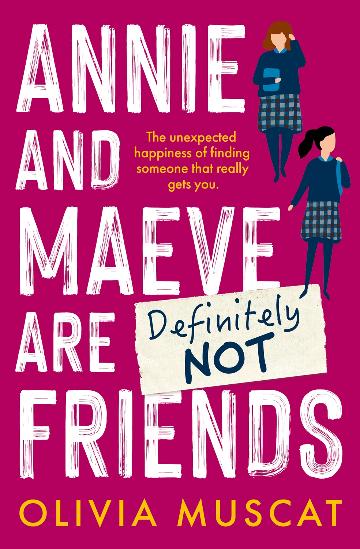
Annie and Maeve Are Definitely Not Friends by OLIVIA MUSCAT explores the joys of friendship to navigating the world while living with a disability.
Read on for a Q&A with the author.
You are a writer and a performer – can you recall the moment that first sparked your love of storytelling?
Honestly, not really! My parents surrounded me with songs and stories from day one and I’ve always been drawn to beautiful words, images, music, and most of all a good story. Ever since I can remember I’ve been addicted to crafting and perfecting a story or joke for an audience, and I’ve been called dramatic too many times to bother counting. I didn’t choose storytelling. It chose me, and I wouldn’t have it any other way!
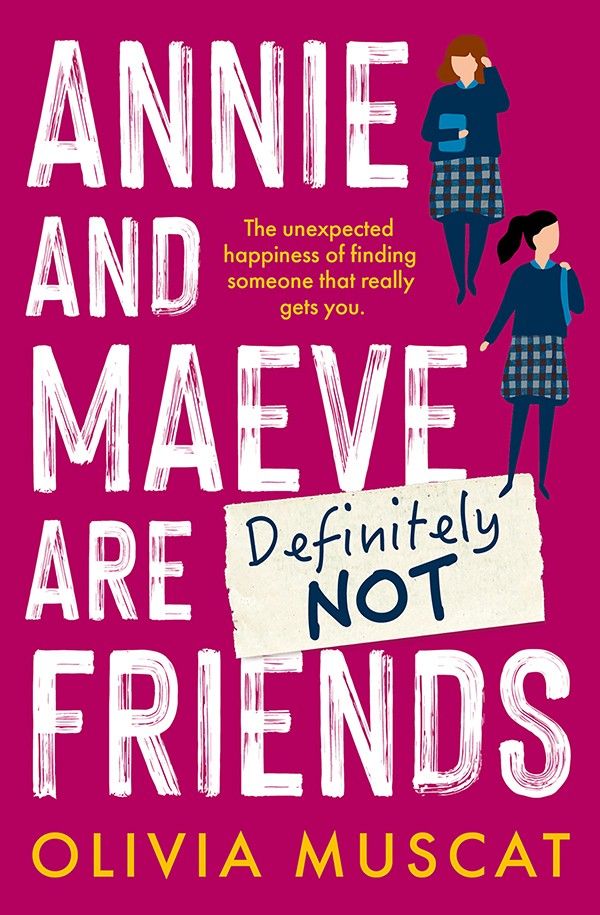 Annie and Maeve Are Definitely Not Friends is your first novel for younger readers. How did writing this compare to your other works?
When writing picture books, I always go in with a fully formed idea, knowing exactly – or almost exactly – what needs to happen and where the story needs to go. In theatre I usually have a moment, aesthetic, or image that I want to explore as a starting point and work from there. When writing this book, I started with the two characters and the type of friendship I wanted to showcase, and had to shape the world and story around them which was quite different. The thing that I always come back to, no matter what I’m doing is themes and ideas. No matter what story I’m telling, how I choose to tell it has to serve the bigger picture. That feels important for me. Another thing that was different about writing for younger readers is that I really got to tap into an 11-year-old’s sense of humour which was a lot of fun! The amount of awful jokes I managed to put into this book pleases me greatly!
What sparked the idea for Annie and Maeve Are Definitely Not Friends?
I have always been determined to do my part to increase authentic disability representation in literature and media, especially aimed at kids. I wanted to write the book that I would have loved to read as a 10-year-old bookworm.
This specific idea came when I started working with lots of kids who are blind or have a vision impairment. I would see the friendships that formed between kids who had been through some of the same things and it filled me with delight. There were certain experiences they could provide each other support and understanding about, there were interests and hobbies that only other blind people were going to nerd out about. Even if they’re not best friends, there’s a sense of shared empathy and understanding that I was fascinated to explore. Sometimes it is a struggle to be the only blind kid in your school, the only blind kid you know. There’s also the knowledge sharing aspect that happens within disability communities – “here’s a cool accessible game I found”, “here’s where you can watch this movie with audio description”, “Here’s a strategy I’ve found to help differentiate between different shades of lip-gloss”.
I have experienced this kind of friendship in adulthood and it’s not to say that blind people can only be friends with blind people, or all blind people are friends, or that sighted people and blind people can’t be the same level of nerdy. But sometimes you meet someone who just gets it and that can be such a relief.
My students inspired me to write this book. Especially the reading obsessed ones who remind me of myself and deserve to read a story that features someone maybe a bit like them.
What can you tell us about Annie and Maeve and how their friendship develops?
Annie and Maeve are very wary of each other at first. They find meeting each other confronting and the idea that they’re supposed to be best buddies insulting. We follow them across two terms of grade five as they find their way – through forced proximity – towards a tentative understanding that kind of explodes into a wholehearted genuine friendship. The most important part is that their friendship isn’t based on them both being blind. Their friendship is based on their shared love of books, music, food, fun, and their friends. The fact they’re both blind just allows a level of friendship and empathy between them that’s different and quite revelatory for both of them in different ways.
 Did your own experiences influence how you wrote the characters’ daily lives, school experiences or friendships?
Yes and no. I think the friendship between Annie and Maeve is influenced by some of my own experience. I didn’t have a friendship like they have in primary school, but I’ve experienced it later in my life so really tried to translate that. Some of their viewpoints on blindness and disability are mine, or have been mine in the past… definitely not all of them though. I also share in a significant number of their frustrations, even when they’re with each other. Sometimes I’m more aligned with Maeve, sometimes with Annie.
ON a practical level their school experiences and daily life are quite different to mine. I finished primary school twenty years ago and the level and types of access technology have increased astoundingly since then.
Even between when I started writing this book and now, there have been amazing developments in assistive tech that I didn’t manage to get into the book.
Parts of me are definitely sprinkled throughout the story, but neither Annie or Maeve’s experience is based directly on my own. I haven’t even experienced being blind the same way as Annie – sudden unexpected vision loss, or Maeve – totally blind since birth.
I think I appear in the story more through things like the characters’ love of books and music, or Maeve being the eldest of three siblings. And my memories and experiences of my own primary school days were definitely the inspiration for a lot of Annie and Maeve’s classmates and friends.
What do you hope blind and disabled readers feel when they see themselves represented in your book?
 They may not see themselves represented in my book, and I want them to feel OK about that. I can’t carry the responsibility of representing all blind people with this one book. Which is why we need more disabled stories.
But I hope they recognise parts of themselves and their lives. I hope they feel pangs of recognition at the good and the not so good. I hope they laugh at my inside jokes and sigh at the frustrations that might feel a touch familiar. I hope that maybe they recognise some internalised ableism they might have been conditioned to feel and call themselves out on it. I hope they feel how much joy and fun I’ve tried to pack into this book and know that they deserve it all. I hope they see themselves in a story about friendship and family and growing up and know that they belong there because their lives and stories are interesting and deserve to be told, even when they’re just about performing in the camp talent show and making brownies with your friends.
How does your work as a disability arts activist connect with your writing?
I don’t think you can ever really disconnect the two things. I accidentally became a disability arts activist while trying to break into multiple creative industries and facing barrier after barrier because of the way my disability is seen as a negative, a limitation, something too difficult to overcome.
I write because I want to share the delight and transformative power of a good character or a good story. I am an activist because that’s what I need to do to carve a path forward as someone who is taken seriously as a good storyteller with good stories to tell.
That part of my identity as a writer and creative person won’t go away until all the barriers, stereotypes and misconceptions caused by ableism do.
Everything I write is shaped and coloured by my experience of disability, even when it isn’t specifically about blind people. I am a strong advocate for disabled people not being limited to only telling stories about disability, but I also believe you can’t fully remove a disabled voice and perspective from a story and that’s a very good thing. A disabled creator is intrinsically going to perceive and filter the world differently from a non-disabled one and that just makes for more interesting and varied storytelling.
ABOUT THE AUTHOR
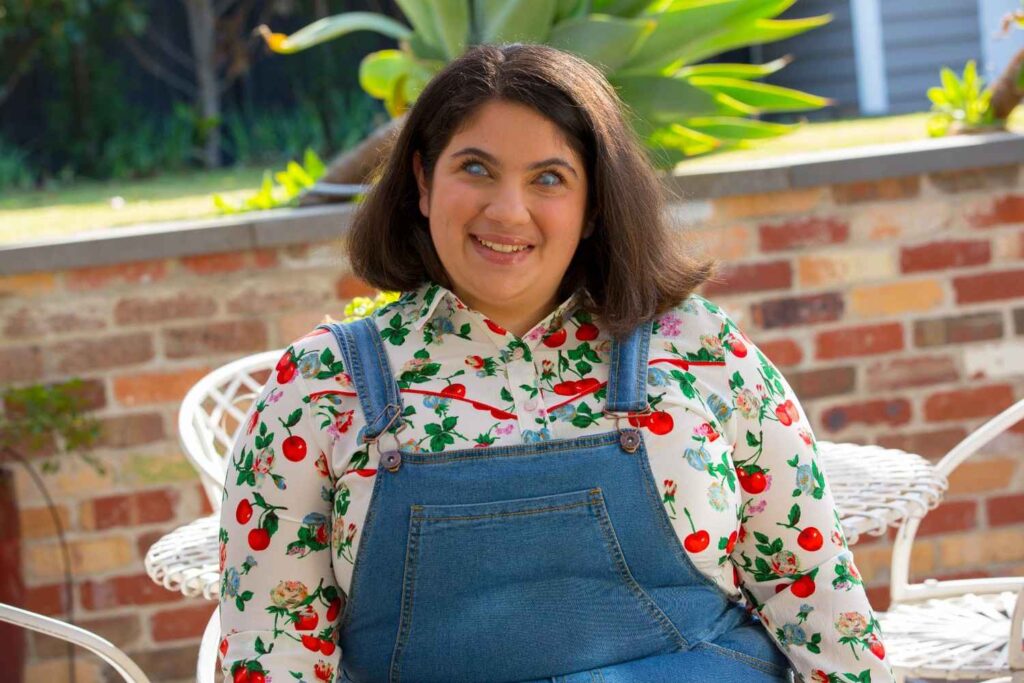
Olivia Muscat is a totally blind writer, actor, performer and disability activist. She lives in Naarm/Melbourne (Wurundjeri Country), Australia with her guide dog, Jemima, and uses her love for colour, joy and music to tell stories that make people want to examine their attitudes towards disabled people and difference in general. When she’s not writing, Olivia teaches children and occasionally performs on stage. She is the author of My Name Is Jemima: a tale of a guide dog superstar, and premiered her autobiographical play Is Anyone Even Watching? In 2025.
Visit Fremantle Press’ website
0 Comments