




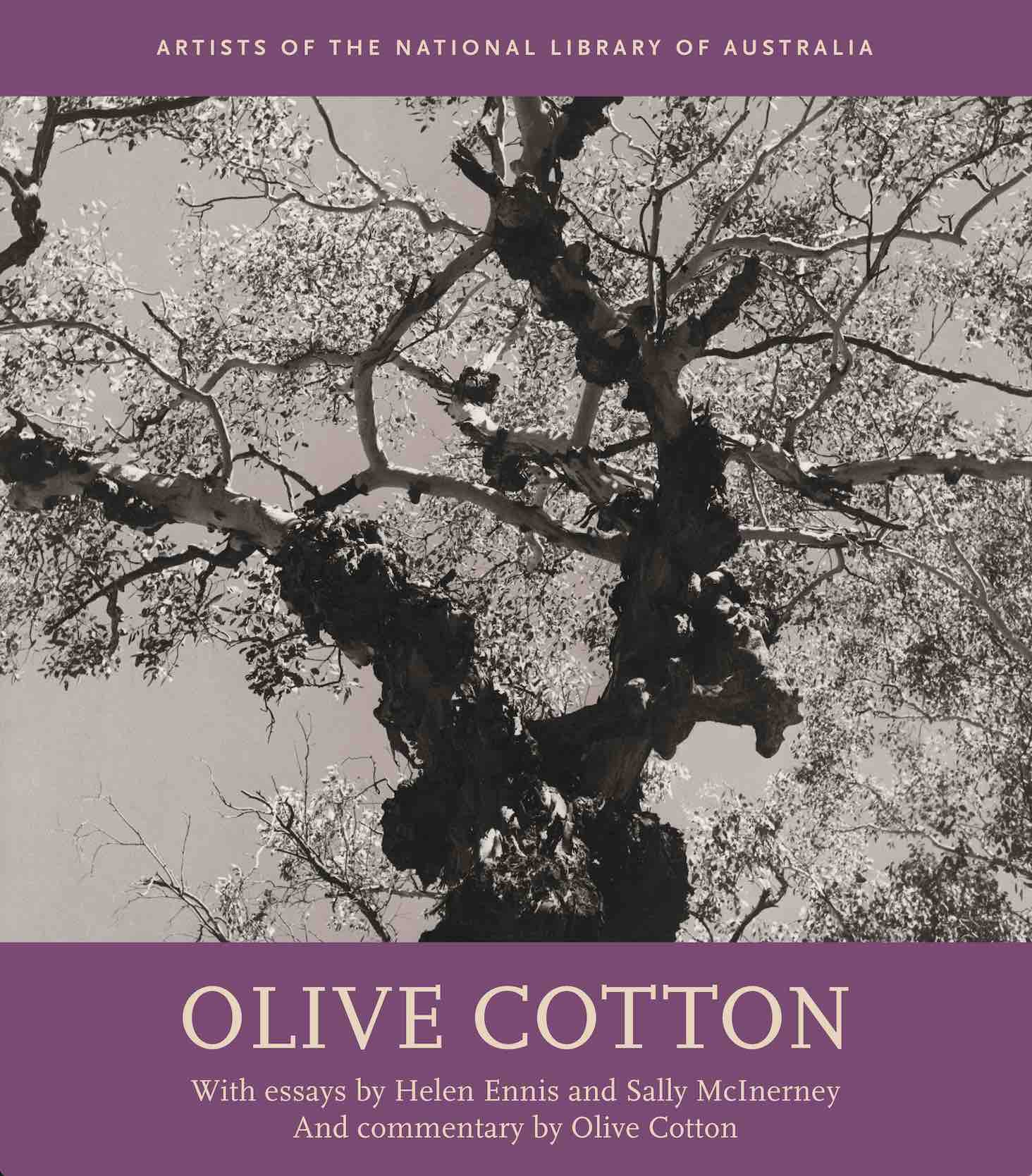
OLIVE COTTON was one of Australia’s most significant photographers. Her photographs, often displaying modernist and pictorialist sensibilities, range from portraits and landscapes, to explorations of interiors and geometric shapes. However, Cotton always maintained that light itself was the most important subject of her work.
The Olive Cotton collection at the National Library comprises 58 images, most of which are silver gelatin photographic prints, three interviews with Olive Cotton in the oral history collection, and the Papers of Olive Cotton in the manuscripts collection.
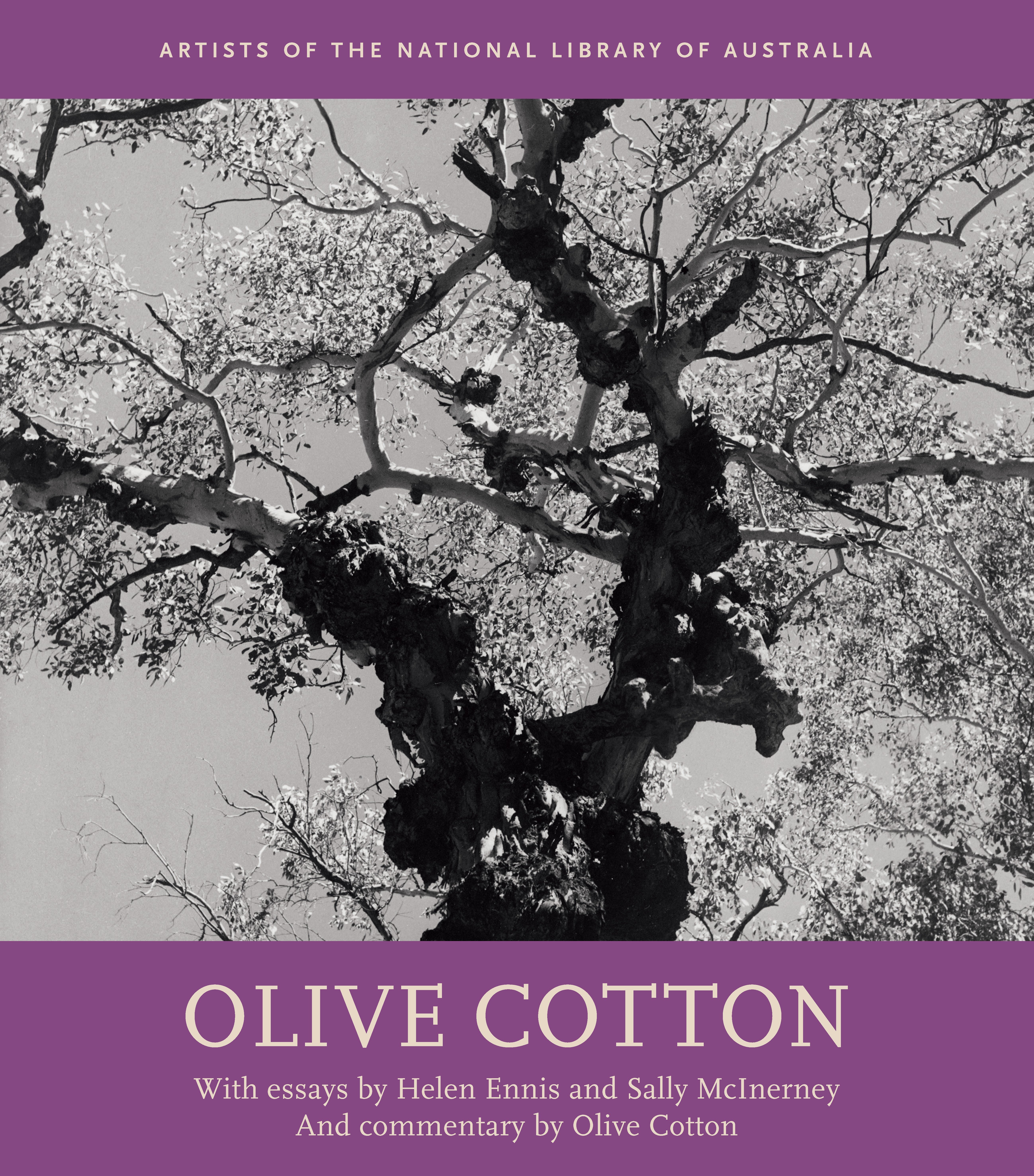
Olive Cotton is a new edition of a book first published in 1995 following a period of rediscovery of Olive Cotton’s art photography.
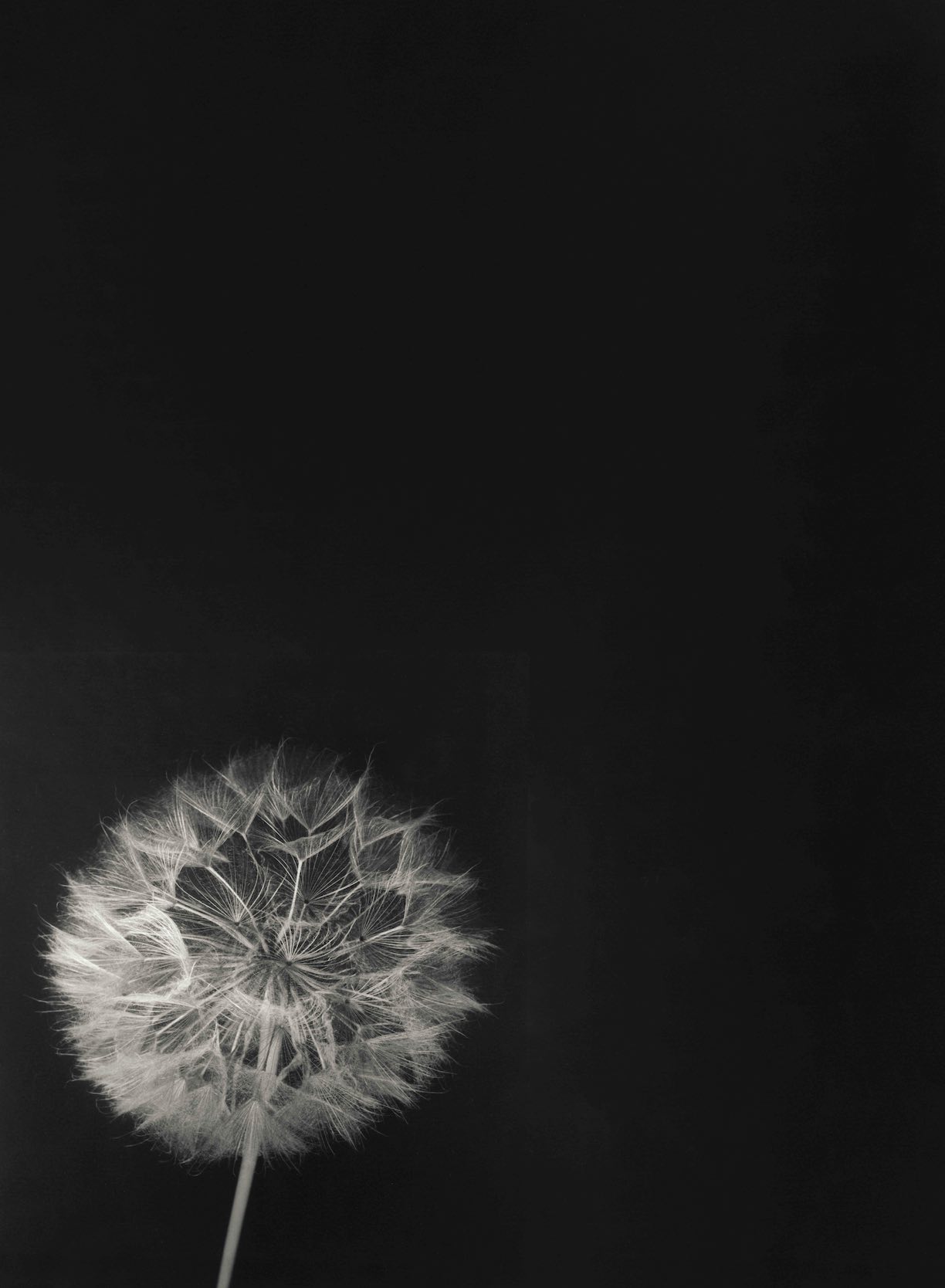
Seed head 1990 Ross brought home a seed head like this one to show me, but it was slightly damaged and hence not a good subject for a photograph. However, he planted the seeds, and then we forgot about them. Two years later when weeding the garden, I found this wonderful seed head. It was nine centimetres in diameter and its beautiful, delicate and intricate symmetry, composed of myriad parts, was breathtaking. I picked it with the greatest care, set it up before a black background and used a small low floodlight to show all its perfect detail. Although we planted its seeds, not one ever produced another plant.
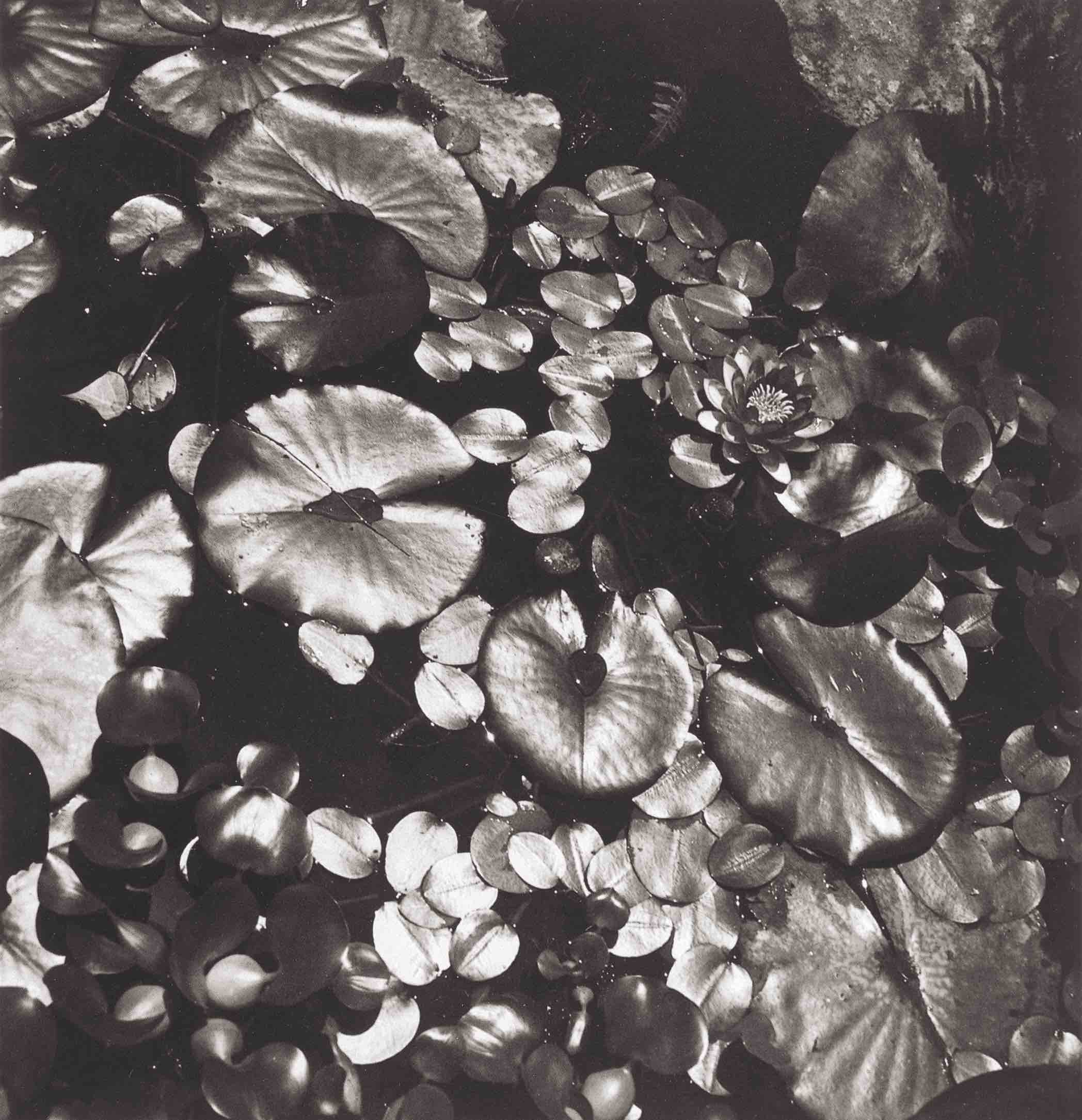
Lily pond 1938
I was attracted by the unusual light falling on the surface of the pond in my uncle Max’s garden (now, incidentally, known as Lisgar Gardens and administered by Hornsby Shire Council). The light made the waterlily leaves appear almost metallic, in contrast to the fragility of the lone flower rising from them.
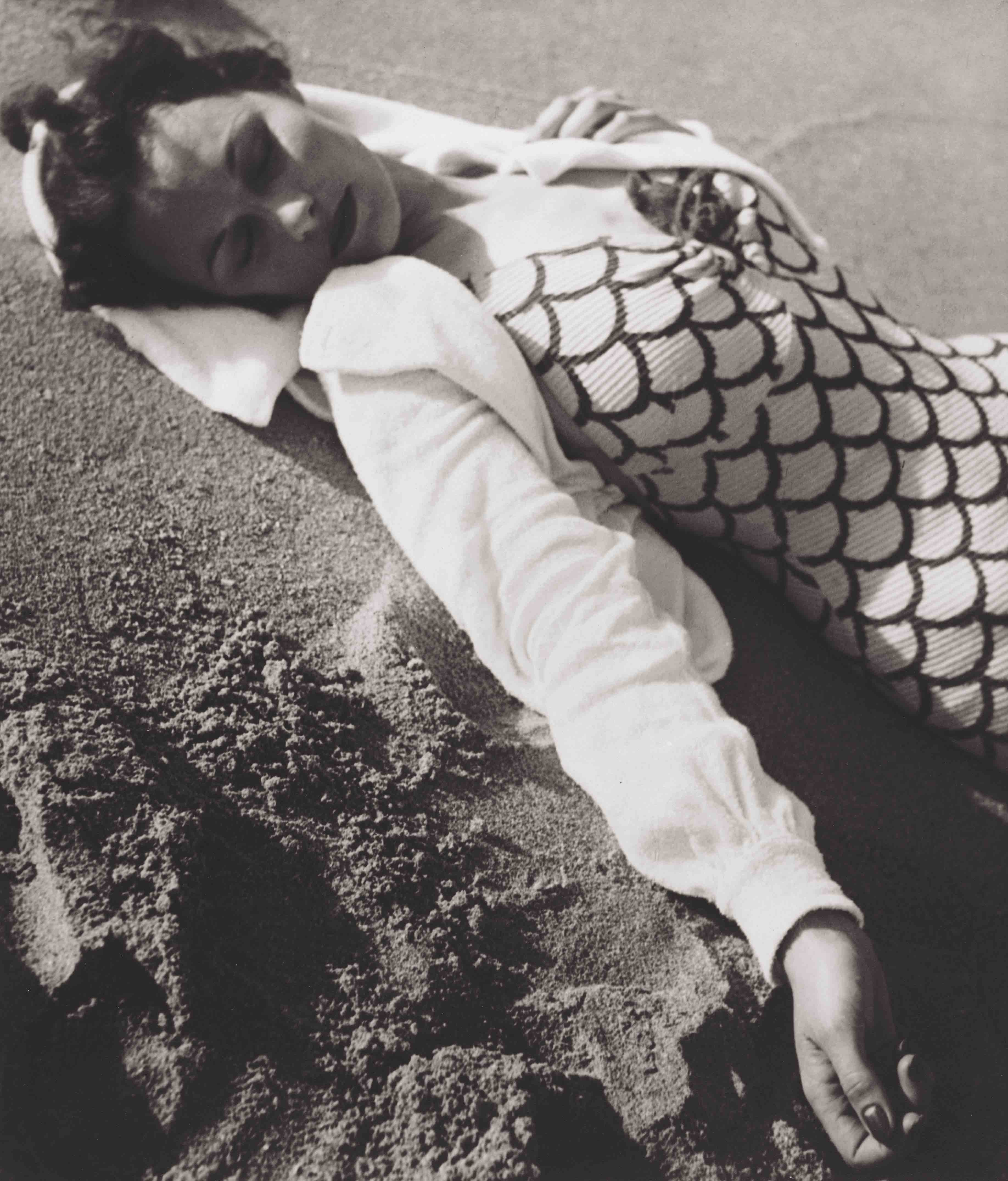
Beachwear fashion shot c.1938
The model here is Phyl Riley. This shot was taken on Bungan Beach (Sydney) when Damien Parer and Max Dupain were photographing models in the new season’s beachwear for David Jones’s summer catalogue. I amused myself with my camera while Max and Damien attended to the serious demands of fashion photography.
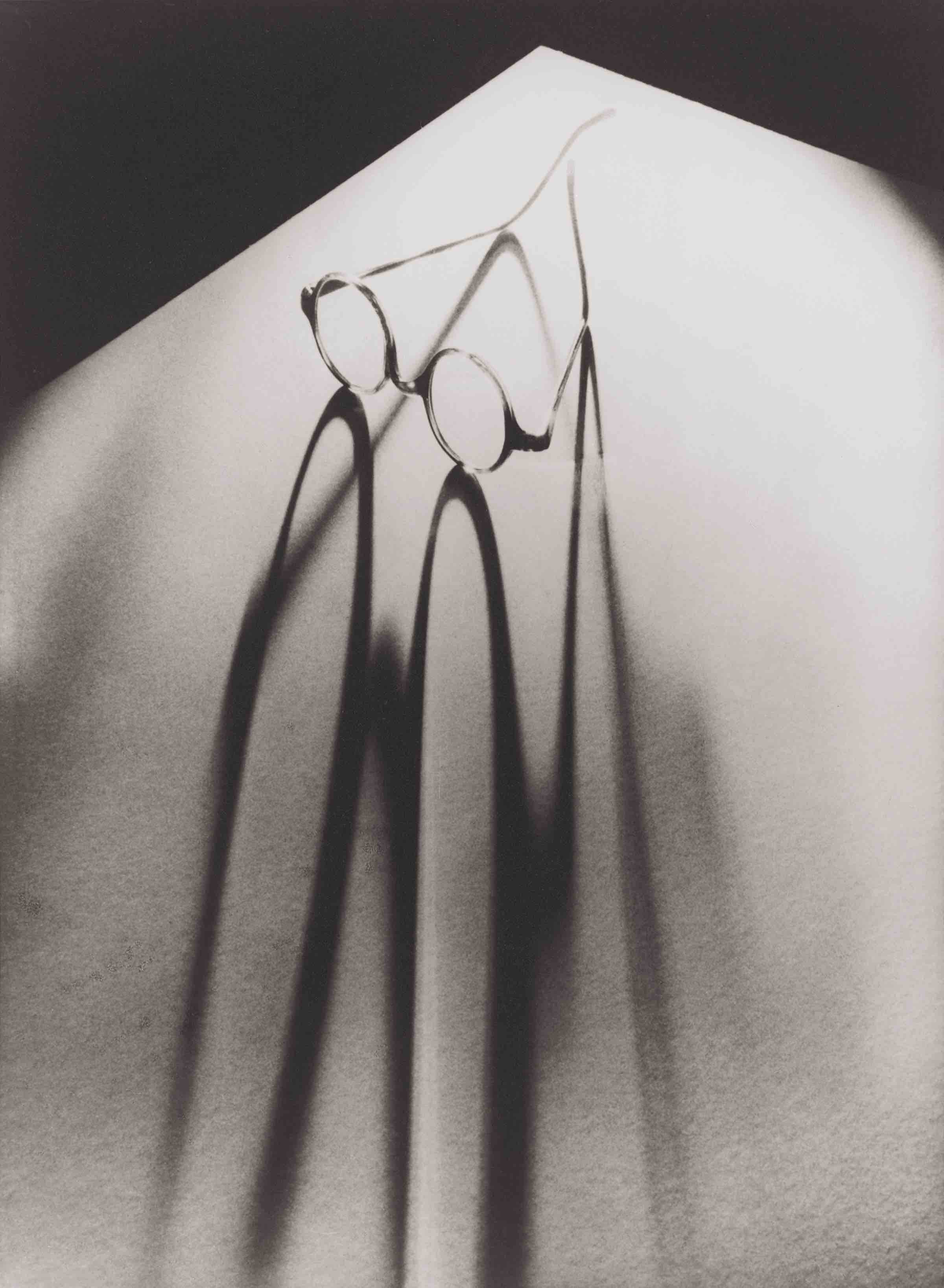
Glasses 1937
This photograph was commissioned as an advertisement for spectacle frames. I tried to make it more interesting by using a spotlight to cast long shadows.
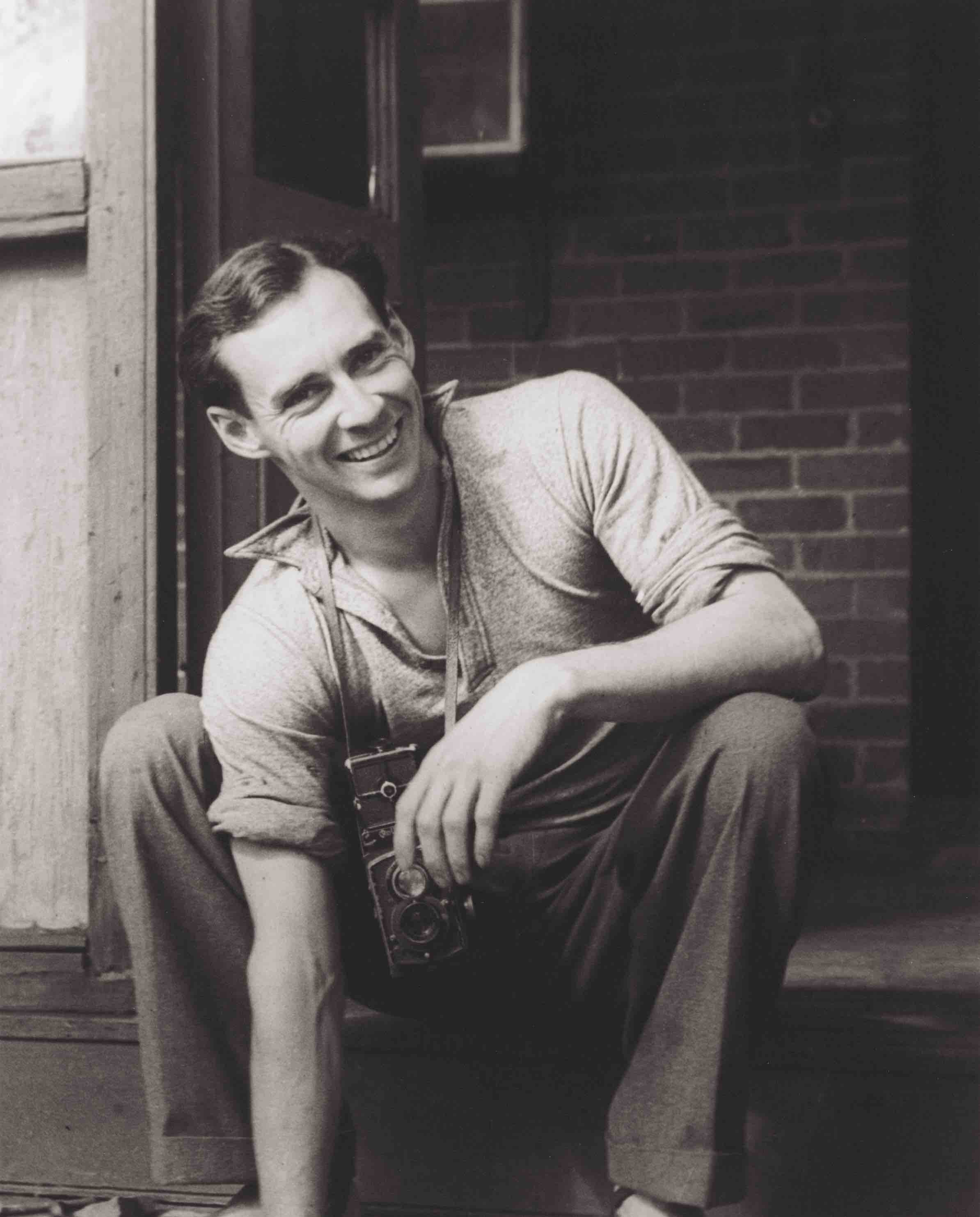
Max Dupain 1938
I like this happy picture of Max on the back steps of our house at Longueville with, as always, his camera at hand.


0 Comments