


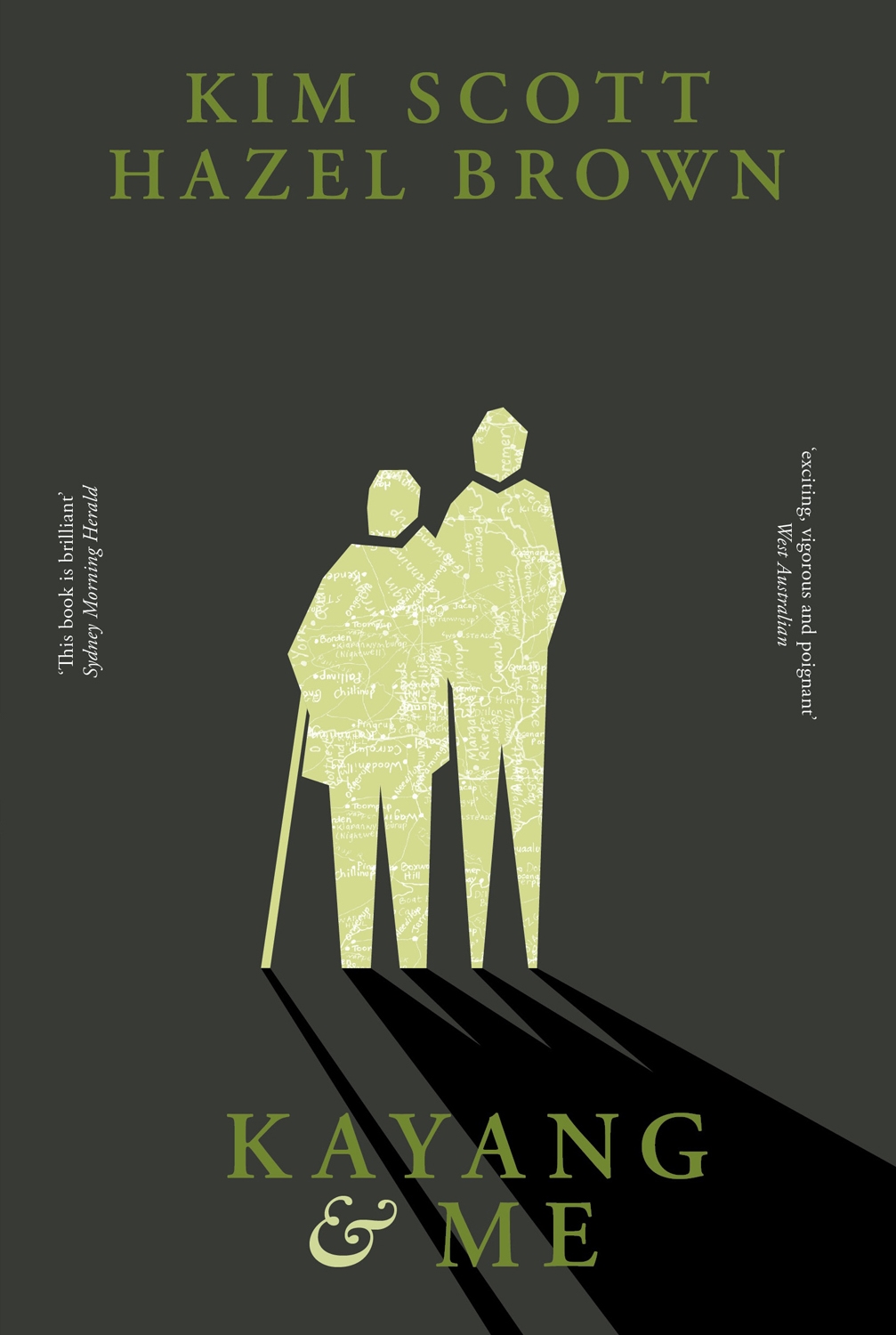
Kayang and Me is a monumental family history of the Wilomin Noongar people. As a 10th anniversary edition of the book is published we caught about with Kim Scott to find out more about this powerful story of community and belonging.
Can you tell us about your childhood? Where did you grow up and what are some key memories?
I grew up in Albany, Western Australia.
Memories? Examples spring to mind, though they may not be ‘key’ : The smell of peppermint trees and dune vegetation. Gravel and diesel too. Being carried on an uncle’s shoulders through the dunes when he almost stepped on, and then leapt over, a snake. A red cement mixer glinting in the sunlight, on a dull red cement path, next to a green lawn. Walking in a small creek as it met the ocean, the sand slipping away beneath my feet, bubbles rising to the ocean’s surface far above my head. My three siblings and I in our childhood, legs stretched out and feet resting on the open oven door. The corks bobbing behind me as I row to set a fishing net.
What was your first job?
Casual rural work; hay-carting, potato picking, tractor driving. First ‘proper’ job (crisp cash in a small yellow envelope) was painting street signs for the shire council. ‘Mutton Bird Island’, for example. Knowing that particular place very well, I simply wrote ‘Mutton Bird’. I was soon told that I was to direct people to geographical places, not wildlife.
Where did you get your love of storytelling?
It may be the intimacy and collaboration that language artefacts facilitate in print; and then there is the human voice!
Occasionally experiencing magic from a page. Realising the pleasure of being absorbed, drawn into and dwelling in words. And later, noting a narrator’s tics and lies.
What prompted the release of a new edition of Kayang & Me?
A gift to me, it was suggested by the wonderful Fremantle Press.
What initially inspired you to collaborate with Hazel Brown on Kayang & Me, and what was the collaboration process like?
I’d written two novels – the second, inspired by the West Australian state archives, won the Miles Franklin Literary Award – and I had begun to fret about audience, and my colonised self. Kayang Hazel was identified by many wise Noongar people as a – the – genealogical if not cultural authority for Noongar people for my area. This proved true. She recognised a ‘traditional’ Noongar name in my family some generations back. Knew my father well, had deep respect for my younger brother. She offered me and a personal, oral history of our people and colonisation, and a role in helping strengthen our community.
What role do you hope this book plays in helping people better understand Noongar culture and history?
Any book begins in a very small way, ‘influencing’ one person at a time. I wanted to pay respect to Kayang Hazel and a Noongar community calling itself Wirlomin in particular. I wanted to help give Kayang Hazel a platform and would like to think that something of her aspirations, along with that of her siblings and cousins is carried on by the continuing work of Wirlomin Noongar Language and Stories (wirlomin.com.au).
What do you hope readers – especially younger generations – take away from Hazel Brown’s life?
The importance of respect, family, courage and truth. (Oh dear, I have such ambitions!) I hope they take away an appreciation of some of the specifics of colonisation in the Great Southern region of Western Australia, along with some awareness of cultural reconnection and renewal. I would like readers to realise the value of lives and relationships, whatever the wider context, but especially in ancestral Country.
It is not something to ‘take away’ from the book, but I hope it inspires people to drop their defences regarding history and identity. I hope people might appreciate the Aboriginal contribution to contemporary Australia, the deep humanity of our heritage, and our survival and recovery from savage historical betrayal. And I trust the book gives Wirlomin readers pride.
***********
 ABOUT THE AUTHORS
 ABOUT THE AUTHORS
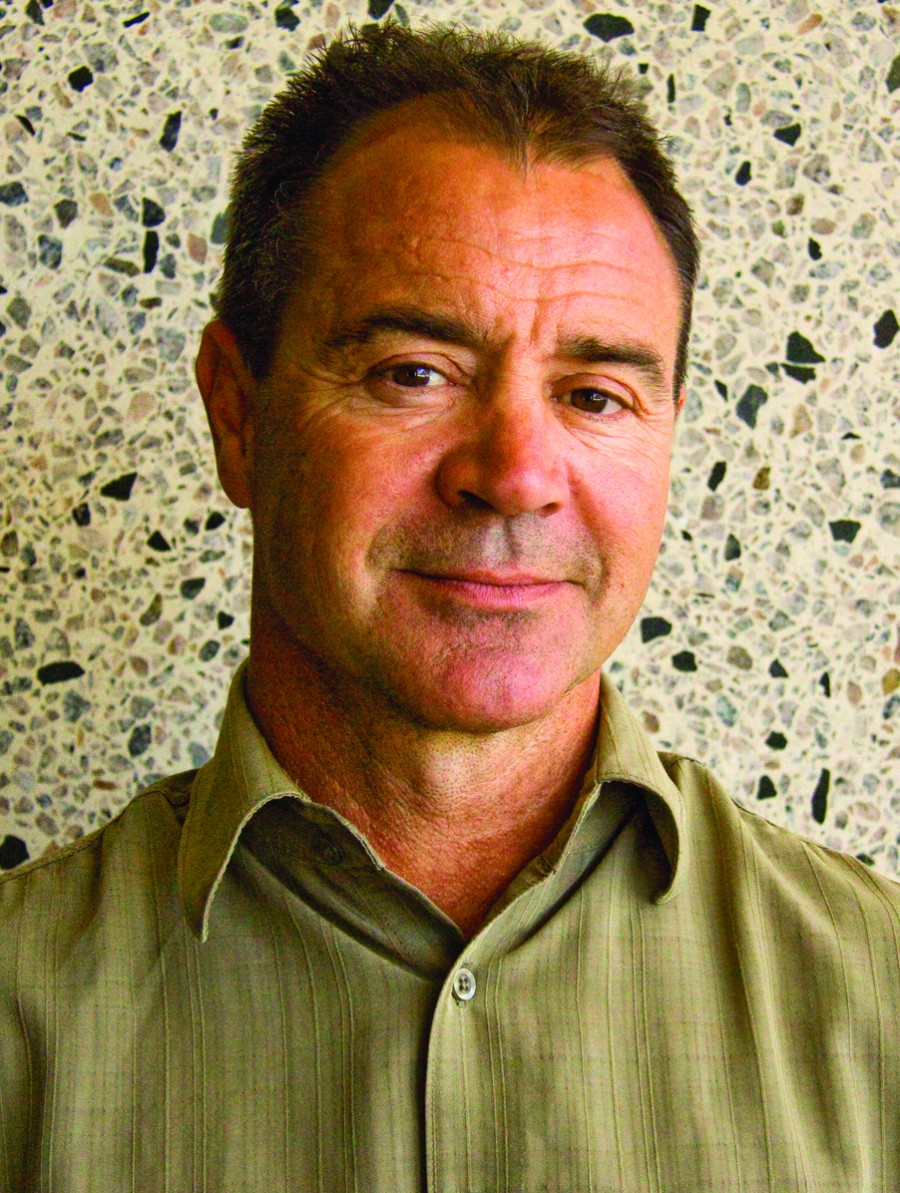
Kim Scott is a descendant of people living along the south coast of Western Australia prior to colonisation, and is proud to be one among those who call themselves Noongar. He began writing for publication shortly after he became a secondary school teacher of English. True Country, his first novel, was published in 1993. His subsequent books include Benang: From the Heart (1999), Kayang & Me (2005), That Deadman Dance (2010) and Taboo (2017).
Kim’s writing has won numerous national and international awards, including the Miles Franklin Literary Award (twice) and the Commonwealth Writers’ Prize. He is currently Professor of Writing at Curtin University in Western Australia.
Hazel Brown (b. 1925, d. 2021) was born at Kendenup in the Great Southern. Her mother was Nellie (Sybil) Limestone who married one of the Wirlomin people, Fred (Yiller) Roberts in 1921. Fred (Yiller) died in 1930 and his brother, Wilfred Roberts (Tjinjel) married Sybil and reared up all the children.
Hazel was the senior cultural matriarch for Wirlomin. She was a warrior and an activist who cared for and defended many people, especially women and those who were vulnerable. She also held the community together in the hard times, helped retain language and the spirit behind it, and helped build its future. She was a very important figure in winning respect, rights and the Native Title struggle. In 2005, her book Kayang and Me was published by Fremantle Press.
0 Comments