

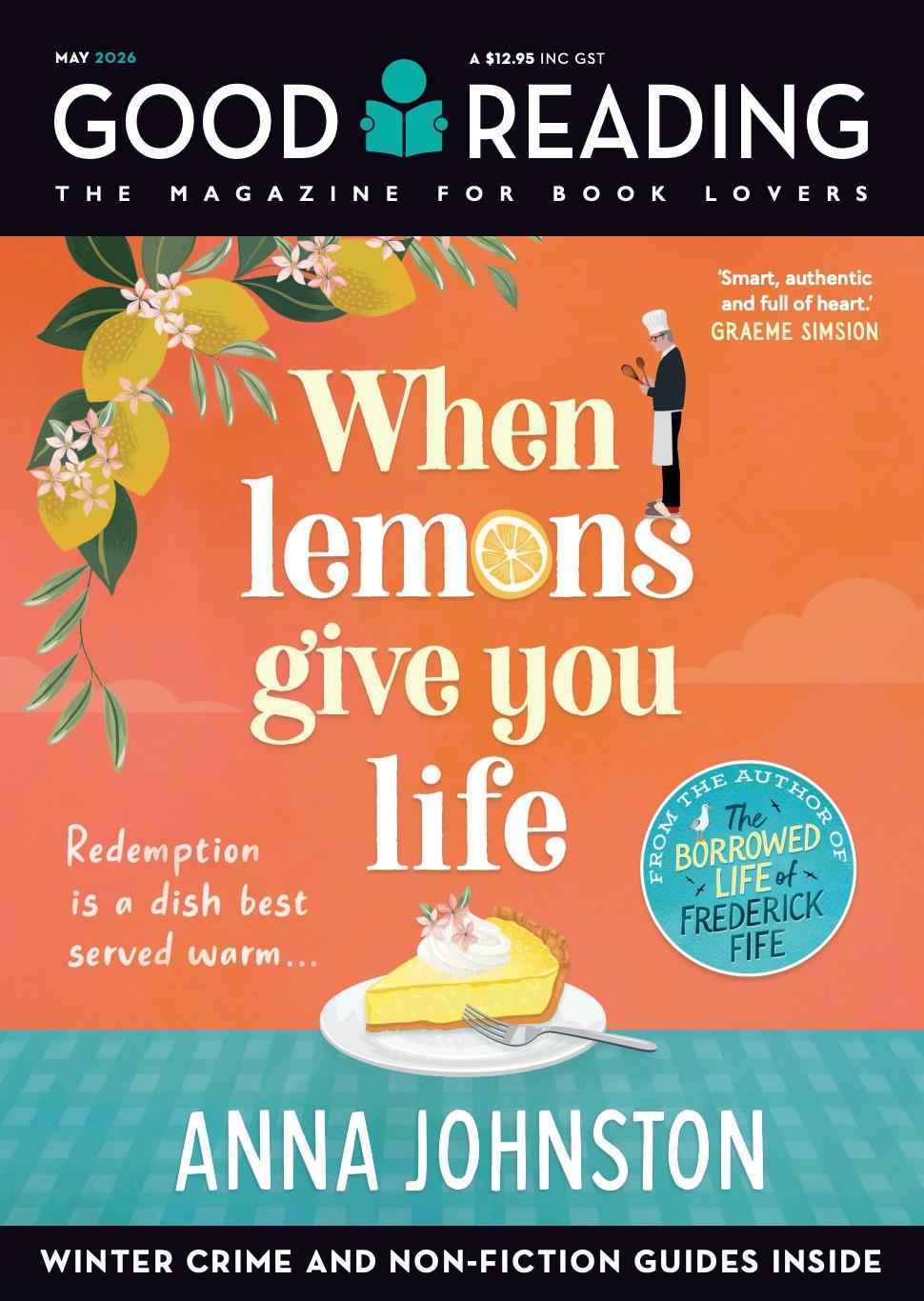



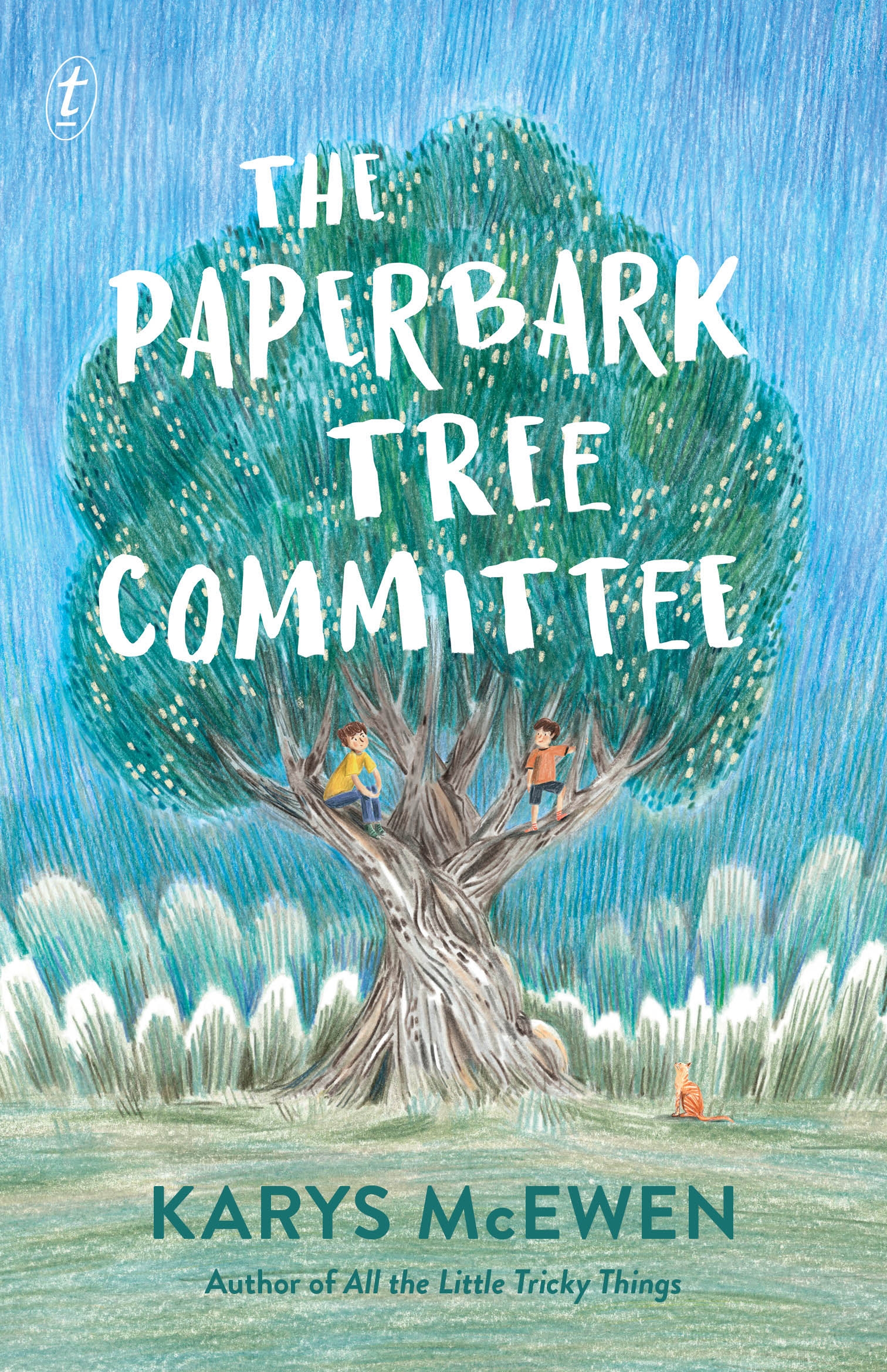
Australian author and librarian KARYS MCEWEN tells us why libraries are teen sanctuaries, and why this matters now more than ever.
Most school libraries these days look a little different to what some adults expect. They are often louder, more dynamic, and yes, they still have books. The grumpy librarian stereotype has been (mostly) busted, and a new era of inclusivity and warmth has been ushered in by the need for a third space in young people’s lives. An ‘in real life’ teen sanctuary where wallets aren’t necessary, the heating is on, and you can stay as long as you like, even after the school bell has rung.
I have worked in high school libraries for over a dozen years, and each time a tour of prospective parents comes through, I get the same questions and ‘witty’ comments from grown-ups who expect me to shush them. Some are genuinely confused when they walk in the door and see the library as the hub of the school – lively, loved and well used. They also often express surprise that the shelves are full of paperbacks, not lined with iPads.
Instead, when they walk into my library they may see or hear any of the following: students studying quietly in a corner, others playing a board game and loudly fighting over the rules, a class full of kids moving the tables and chairs to suit the style of learning for that session, laptop keyboards clacking, library staff working one-on-one with a kid to find the exact right book, shelving on wheels so the space can be transformed for an event or meeting, a book club holding court right in the middle, a counselling session, a gossip session, the principal sitting in a beanbag reading his latest spy novel at lunchtime, a teacher furiously writing reports, a teenager with his nose in a new sports biography. And always, on a Monday morning, the returns chute full to the brim of weekend reads.
Books are very much at the forefront of my library. There is something for everyone on the shelves and, if not, it’s on order with our local independent bookshop and will arrive next week. There is a lot less non-fiction (but still things like ‘Aussie STEM Stars’ and This Book Thinks Ya Deadly!) and many, many more graphic novels. Contemporary Australian books are on display as much as possible, but the Western canon classics are still there, too. Just updated versions that aren’t yellowing on the edges.
There is tech in the library now. Gone are the encyclopedias that I fondly remember flicking through at my own school library in the ’90s. What has replaced them are up-to-date, reliable, and seemingly boundless digital resources that we pay for access to and teach the kids how to use properly. In our increasingly online world, libraries are more important than ever in terms of encouraging information literacy. We are keeping our patrons safe, informed and empowered when it comes to the internet. The wi-fi is also always free.
However, the library is also much more than the sum of its collection, on- and offline. It is, in so many different ways, a safe haven. Young people need this – somewhere that exists beyond the structures of home and the formal expectations of the classroom. A place where their voices are always heard.
The school libraries I have worked in always provide a welcoming, inclusive environment where students can explore their interests, connect with others, and express their identities without fear. This fosters a sense of belonging and autonomy, helping young people navigate adolescence by offering both stability and freedom. We take special care to make sure those on the periphery, or marginalised for some reason, feel welcome. It’s very clearly a no-judgement zone. A place where you can come when you feel lost.
Not only have school libraries evolved over recent years, but when done right, no two are the same. Because no two school communities are the same, and the library should first and foremost reflect its community. A low-socio-economic school may loan out textbooks to students who can’t afford to purchase them, and highlight stories that allow their teenage patrons to see their lives reflected back at them, like This is How We Change the Ending by Vikki Wakefield or The Surprising Power of a Good Dumpling by Wai Chim. A rural school may have extra copies of Growing Up in Country Australia and use some of their budget to organise author talks on Zoom, so their students don’t miss out on the same opportunities as city kids who go to the writers’ festival each year. A school like mine, which has a wonderful real-world mix of kids from diverse backgrounds, makes sure each student has a say on what they would like to see in their library. In fact, every year I take kids on a book-buying excursion to make sure the library literally has the books they want to read. Hand-chosen and reflective of their myriad curiosities and abilities. We also make sure each of our students are members of the local library across the road, which is open late and has a number of free youth workshops, offering an even more extensive third space for them to enjoy.
Young people need community more than ever. They are growing up in a world shaped by constant change, uncertainty and digital overload. That’s why they all deserve great school libraries. To track down a book that can help shape their world view and make them feel seen, to chat with a librarian who provides empathy, support, or just a lighthearted conversation, to join a club that welcomes them and their interests, to be in a place where they are taken seriously, and to know there’s always somewhere they belong and can be themselves, no matter who that is. •
**********

ABOUT THE AUTHOR
Karys McEwen is a school librarian, bookseller, vice president of the Victorian branch of the Children’s Book Council of Australia, and education advisor for the Melbourne Writers Festival. She is passionate about the role libraries and books can play in the wellbeing of young people, and she writes the substack I Read A Lot.

0 Comments