


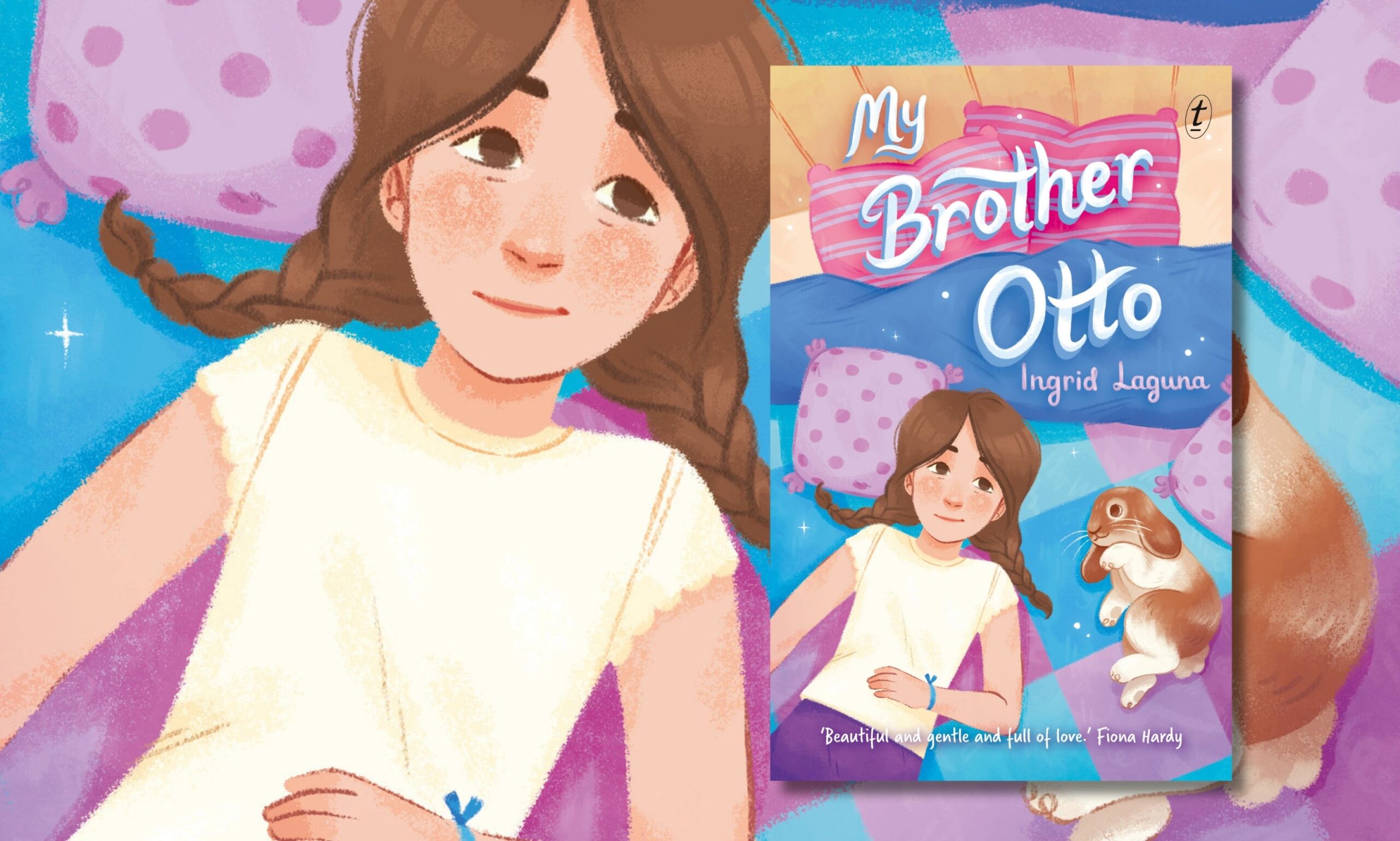
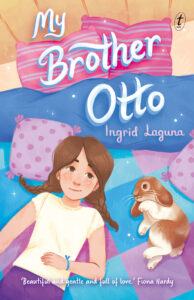
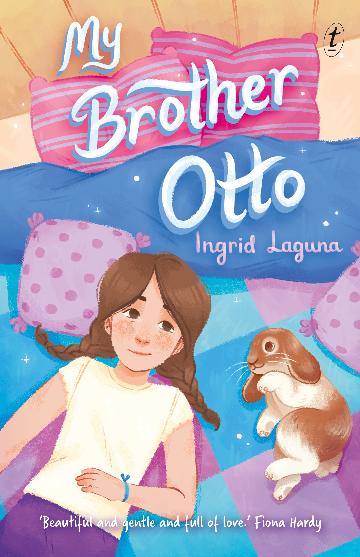
INGRID LAGUNA’s My Brother Otto is a story about family, love and sadness that delves into an experience of heart-breaking loss.
Read on for a Q&A with the author.
MEET INGRID LAGUNA
What inspired you to write My Brother Otto?
 Over 18 years ago, I spent close to six months with two prem baby boys in intensive care, Jordan and Leo. My then-husband and I passed Leo between us for the last beats of his heart at six weeks of age. We carried him into the NICU to say goodbye to his brother. Then nearly five turbulent months later, just a few days before Jordan was scheduled to be discharged from hospital, he developed a virus. A shocking blur of days followed and then we held him as his life support was disconnected until he was no longer with us. He looked peaceful. My heart was raw and smashed to pieces.
There was a moment where I felt pulled to despair, a dark place with no end, and I felt I had to make a choice and I chose not to go there. Not to live there at least.
I am positive by nature. I am chipper and laugh-y and I love to dance. It was a while before I could listen to music again but I am okay. Just last night I danced in the dark at No Lights, No Lycra and I could not have been happier.
Two years ago, the character of Quinn came to me. A little girl with no siblings who didn’t want things to change. I wondered how she would respond if she fell unexpectedly in love with her new baby brother, even though he was in intensive care, and then experienced the loss of him.
I am always interested in how ordinary people respond to extraordinary life events. I’m interested in resilience and how that reveals itself when we are challenged. And I wanted to write about love and death and how we keep going when our beloved dies. I also wanted to show readers that death is part of life and it is not the end of all good things. We do go on and we are bigger for having loved, even though it can feel complicated.
How did you approach writing Quinn’s relationship with Otto and how it changes?
I wanted to increase the stakes for Quinn from the outset, so not only did she not want things to change because she liked being at the centre of her mum and stepdad’s lives, she did not want to have to share her room with a baby and she did not want to have to get rid of her beloved pet rabbit, Disco.
She did not want Otto in the world at all.
In writing Quinn’s relationship with Otto, it was important to me to show her initial shocked reaction when he was born at 26 weeks. Otto was very small and unwell and needed a lot of help from doctors and nurses. What kind of little brother was this? But by spending time sitting beside his cot, talking and reading to him, holding his little hand and eventually helping with his care, Quinn fell in love and she felt bigger; each time she visited the hospital she came away with a full heart for her precious and fragile little brother.
What was the most challenging part of writing Otto’s story?
The most challenging aspect was keeping a lightness of touch in the telling of events as Otto is close to coming home but then falls ill again and does not survive. The challenge was to tell the story mindful of young readers. How do you write the death of a baby without traumatising young readers? And to me, the answer is to show that death does not mean the loss of all love and hope. The experience of having loved a child/sibling so much, in my experience, really does make us bigger. I still feel privileged for having loved my boys and having been their mama.
What themes felt essential to include from the very beginning?
The way our very human flawed tendencies such as jealousy or insecurity can change and we can learn and grow and forgive ourselves. I wanted to show Quinn’s experience of ostensibly selfish desires, at the outset, wanting her parents to herself, to her changing to become a proud and happy loving big sister, grateful to have loved.
 Was there a particular message or feeling you hoped readers would take away from the book?
I hope that readers come away with increased awareness that even though people we love may become unwell or even pass away, we will be okay. It’s Jordan and Leo’s birthday in a week and if I don’t acknowledge the pain I feel at this time, and sit with it, I experience my grief as a kind of madness. Anxiety. Also, when I do find the courage to sit with and feel the pain of grief, it’s as though I make my way back to remembering the joy of loving them and the indescribable delight of being their mum.
We are more resilient than we know. Sometimes we only find that out when we are tested.
What kinds of conversations do you hope My Brother Otto might open up between adults and young readers?
I wish we were better at talking about death. I wish we somehow knew how to speak openly without fear of hurting someone. I’m not offering a simple solution but the subject is incredibly fraught, which is strange considering we are all going to die one day. I have a coin my husband gave me with ‘memento mori’ inscribed on it. When we remember our mortality, we remember to value the people in our lives, to be our authentic selves and to be kind.
Kids know people die. They may also know when their pregnant mothers miscarry. I spent time in a support group – SANDS (Stillbirth and Neonatal Death Support) – and witnessed parents grieving over and over after they had miscarried. My boys lived and died many years ago now but the sorrow has not left me. I sometimes feel I shouldn’t be sad anymore, or talk about them, as if I’m being indulgent, but they remain so much a part of me.
I want rituals. My mum and I light candles beside photos of them on their birthdays or Mother’s Day or the anniversaries of their deaths and it helps. Sometimes Mum says, ‘I’ve got them today, Ink. It’s okay.’ And I feel better.
ABOUT THE AUTHOR
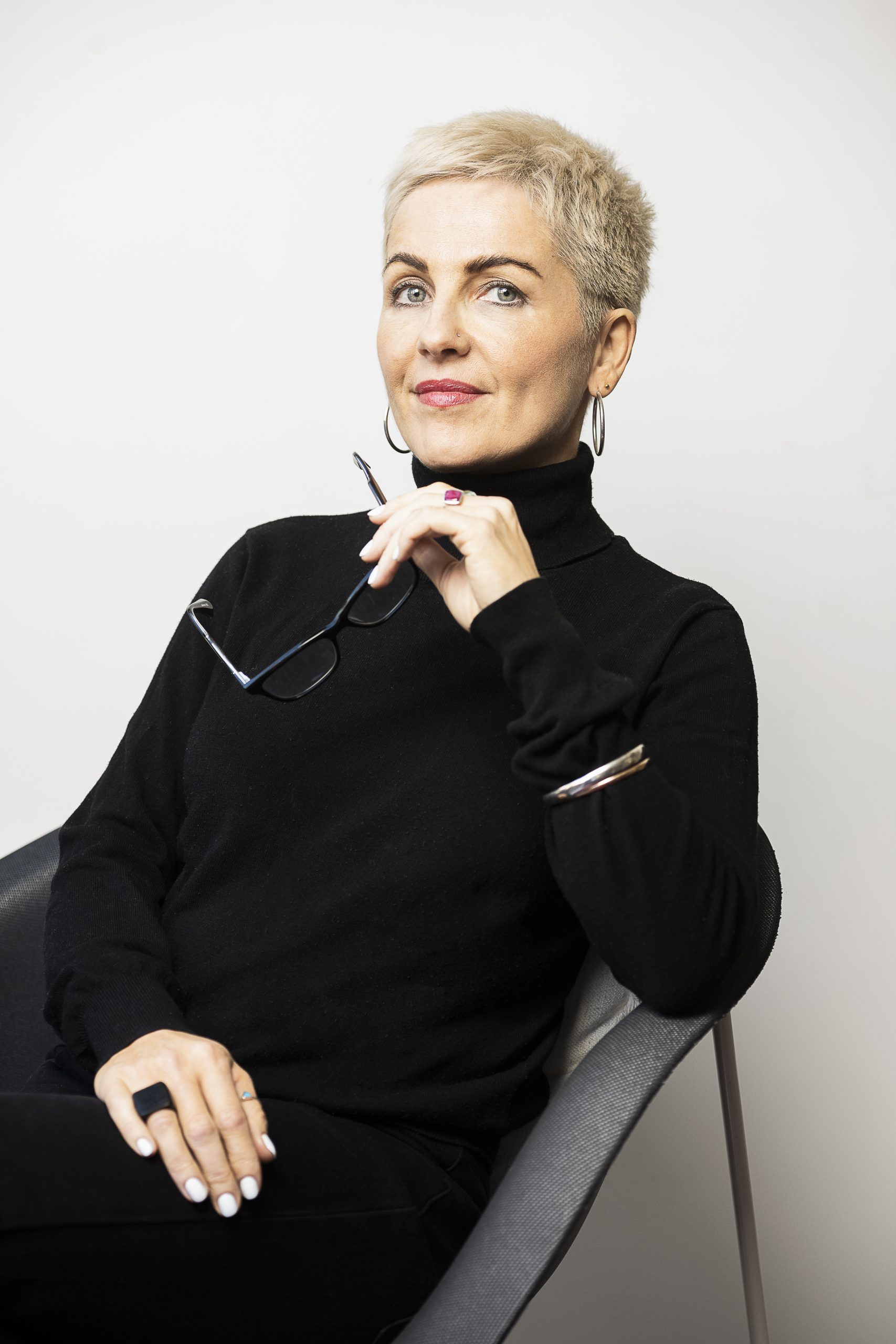
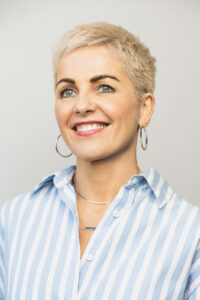 Ingrid Laguna is an award-winning author and educator. Her books include Songbird, Sunflower, Serenade for a Small Family, Edie Tells a Lie, Bailey Finch Takes a Stand, which was awarded best chapter book and overall primary resource winner in the 2022 Educational Publishing Awards, and Kit and Arlo Find a Way, which won the same awards in 2023.
Her writing has featured in various publications, including the Monthly, the Age and AEU Magazine. She regularly presents to teachers and students at schools, libraries, festivals and conferences.
0 Comments