

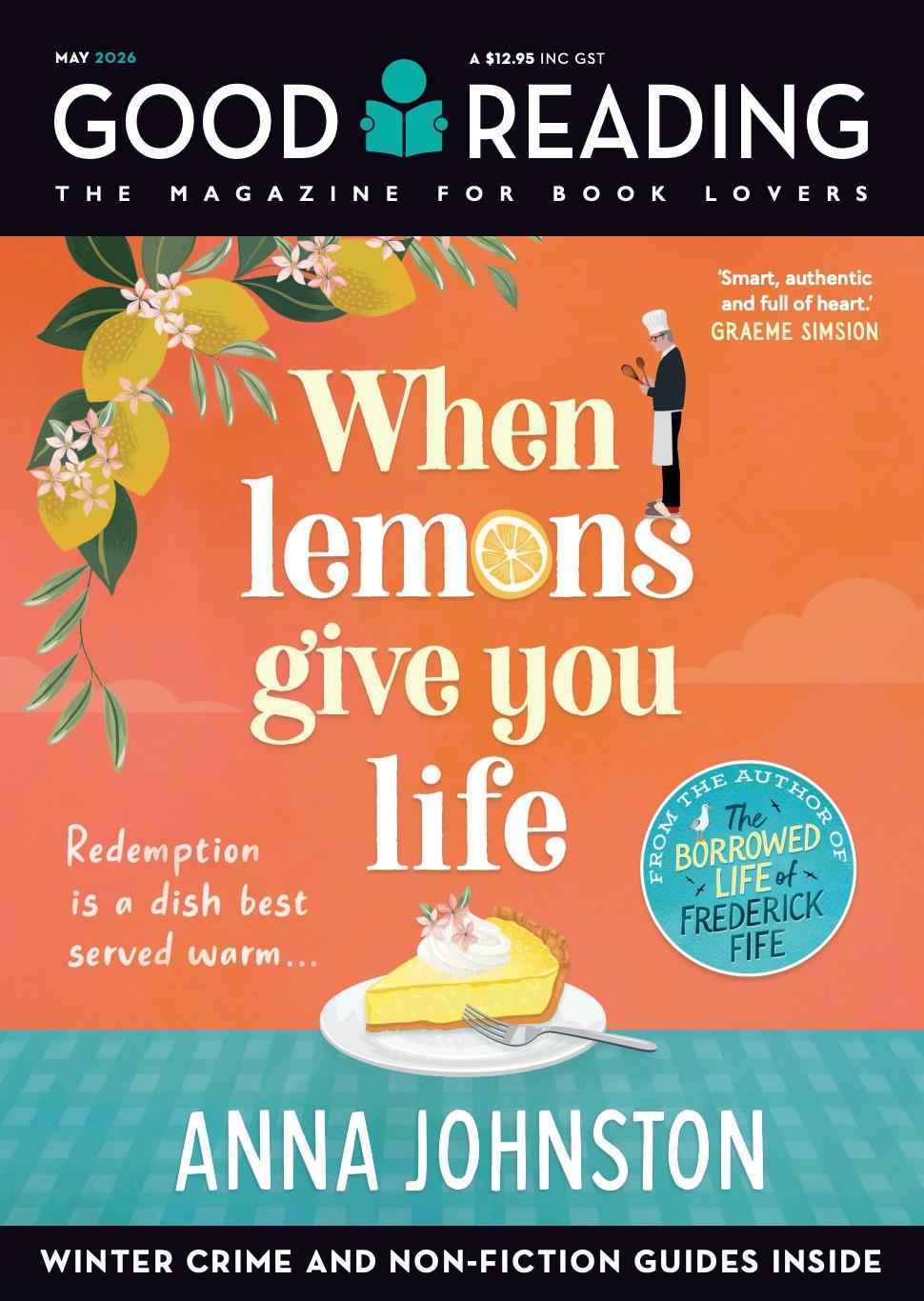


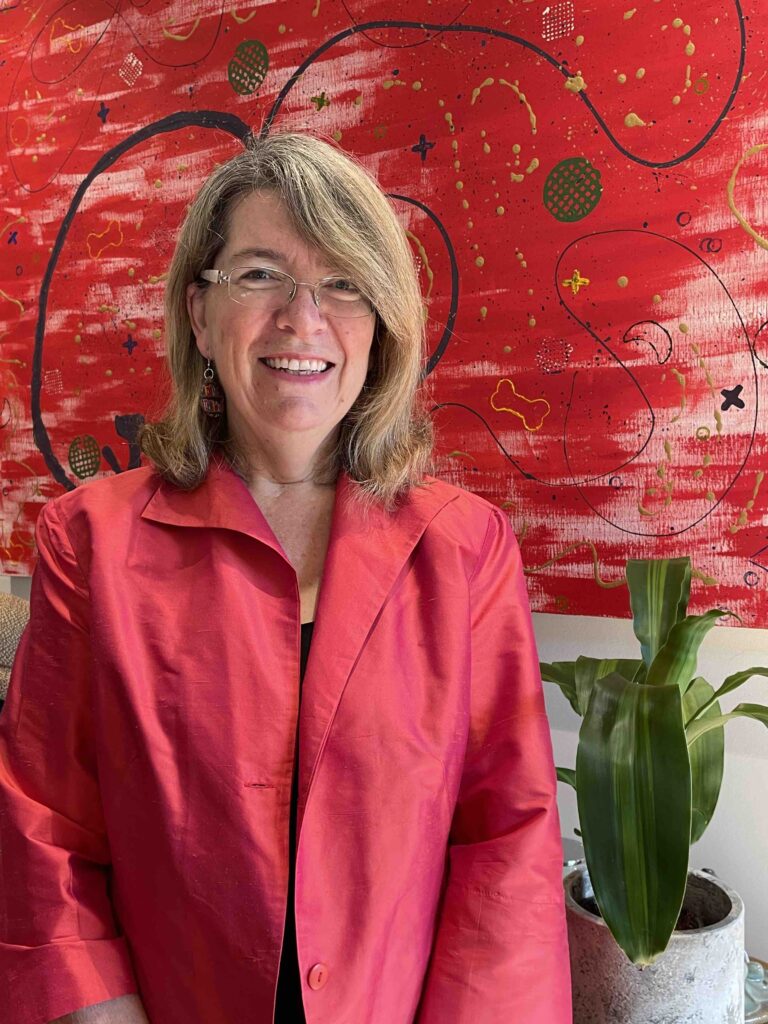
This month we turn the spotlight onto one of our own – a Good Reading reader whose love of books has quietly grown into something rather extraordinary with help from her lovely husband. Kirsty has been reading Good Reading for years, and when she emailed me after I wrote about my ache of downsizing my personal library, I was instantly intrigued. What did her shelves look like? When she shared a glimpse
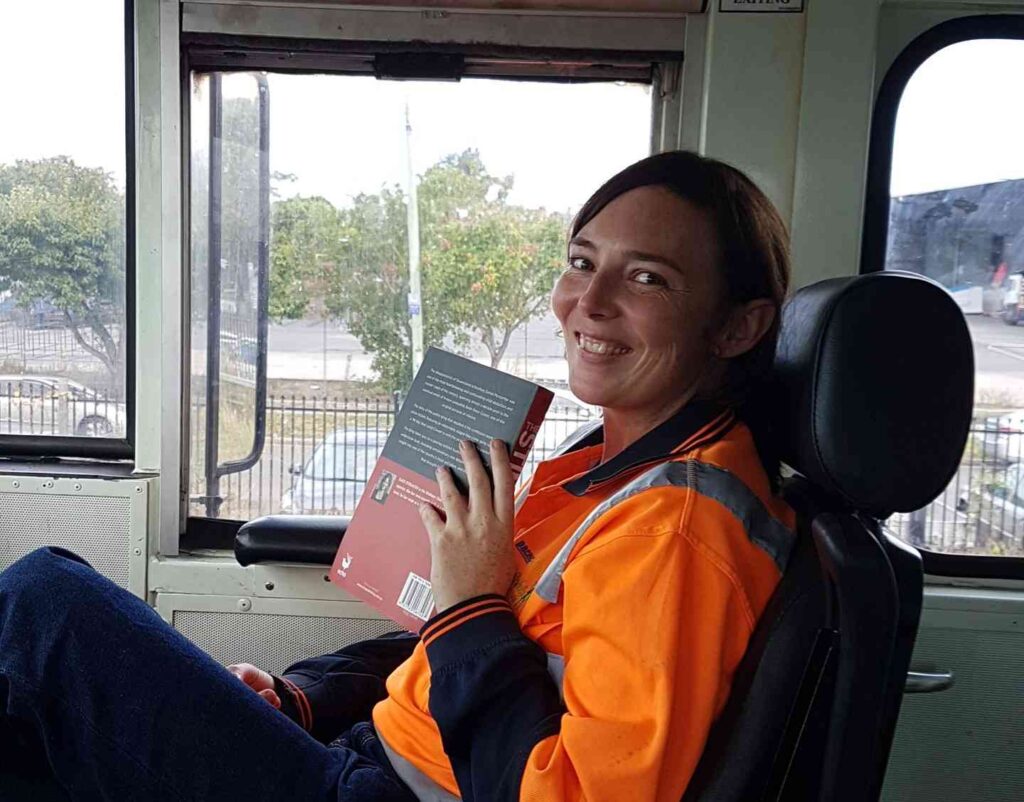 I have to admit I was blown away, and more than a little envious. Her library is something we might all like in our backyard, be it big enough. Her collection is generous and she has her own interesting style of organisation. I also loved that she has a fascinating job. You can step inside her world – and discover how her library came to be – on page 14.
Her story set my mind wandering beyond the familiar and into the realm of large private libraries. Private libraries have long held a certain mystique, blurring the line between passion and obsession. Karl Lagerfeld, the iconic fashion designer and photographer, amassed more than 300 000 books, many housed in his Paris apartment. He reportedly arranged them with meticulous care and once declared, ‘If you go to my house, I’ll have you walk around the books.’ There’s something delightfully uncompromising about that – an insistence that books are not background, but the main event.
Then I discovered Anke Gowda, a retired sugar factory timekeeper from Mandya, India, who spent over 50 years building a collection estimated at more than two million volumes.
I wondered how he found time to even consider two million books. His Pustaka Mane library has been described as one of the largest free-access personal libraries in India – a staggering achievement born not of wealth or status, but of devotion and looking to care for and improve the lives in his community.
Stories like these raise a question. How many of those books have actually been read? At what point does reading become collecting – and does it really matter anyway? Perhaps the answer lies somewhere in between or probably not at all!
A book doesn’t lose its value simply because it hasn’t yet been opened. Sometimes the joy is in the possibility, the quiet promise waiting on a shelf. I understand the addiction of collecting books all too well; I’ve been caught by that same bug.
It also made me think about all of you – about the private worlds you’ve built, shelf by shelf. Your libraries may not rival the scale of Lagerfeld or Gowda, or even Kirsty’s, but I suspect they are no less meaningful or loved. Whether your books are neatly lined along walls, tucked into cupboards, stacked beside beds, or slowly taking over every available surface, they tell a story.
 Perhaps your collection traces the arc of your life – from well-thumbed childhood favourites to the novels that shaped your teenage years, to the books that sit beside you now. Maybe there are gaps, too – stretches of time when reading fell away, only to return again (we all have likely experienced this). Some of you might be building libraries for your children or grandchildren, creating the readers of tomorrow, creating a lifetime
of loving books.
And then there are those who read and release – passing books on once they’ve been finished, making space not just on shelves, but for someone else to experience after you. You might contribute to a street library, donate to your local library, or share books among friends. Maybe you leave them on train or bus seats with a note to entice the next unexpecting reader. In its own way, that too is a kind of collection – one that lives in movement rather than stillness.
What fascinates me most is not the size of your library, but the life within it. The creased spines, the inscriptions, the books kept for sentiment rather than intention. The ever-growing TBR pile, unread ones waiting patiently. The ones returned to, again and again, like old friends.
Tell me about your shelves – or your tables, your floors, your teetering stacks. I want to see them all: the carefully ordered, the gloriously chaotic, the beautifully overflowing.
Send in photos of your library, however it looks. Neat or unruly, curated or completely out of control – if it works for you, it’s perfect. And tell me its story. How did it grow? Where does it live in your home? Or perhaps it doesn’t – perhaps your ‘library’ is borrowed, a beloved local library, where the collection is vast and ever-changing, and entirely yours. You can email me at [email protected] •

0 Comments