


The wars in Ukraine, and Gaza, the wildfires in the US, the terrible flooding of Northern Queensland, the continuing decline in Australian wildlife, the removal of hundreds
of books from libraries and the loss of freedom of speech in the US. Where is the good news?
Today, as we are fed world news constantly as it happens, I am finding it increasingly difficult to cope with the overwhelmingly bad news. It makes me feel anxious. I often find myself unable to absorb any more of these negative stories as I have a visceral reaction when I watch or listen to them. So, I often now simply turn it off.
When I listen to bad news I also think, as you probably do, how can I help? What can I do in my small way to change things for the better? I am an environmentalist at heart. So I build houses for the local ringtail possums, I guerilla garden around the neighbourhood. I harass Council about not laying poisons so as to save the powerful owls, I share knowledge about caring for our environment with whoever will listen. I’m almost a pest myself, but I don’t care.
My efforts might be helpful to the little ringtail possum struggling to find somewhere safe to sleep, or to the elderly lady who simply needs a chair at the entry of my Woolworths store she has just walked up a hill to visit, but is that enough? Where is the bit that I fit into to be able to effect positive change, making a bigger difference so I can support better collective decisions we make as humans on this planet that we share. I always come back to thinking that where I am sitting right now, while writing this, is one of the best things I can do to achieve this – in my office chair at Good Reading helping to make people aware of the books that they can read. And I know how lucky I am to have this opportunity.
This was confirmed recently as I was listening to a podcast with two philosophers who were discussing morals. It’s not my usual listening but my ears pricked up when they started pointing to literature as one of the most important tools in helping to guide our morals.
It made me realise again the value of stories in our fractured world. I have written before about how books can help us learn about history and to empathise with people who find themselves in all sorts of situations that are alien to ours. But these philosophers talked about the importance of stories to help us as a guide to understanding what
is the right thing to do. These stories can assist us to choose better and to become a better person.
My desk always has books about nature on it. These books can teach us how destroying habitats is adding to the escalating extinction rates. But also what changes we can make to help nature return to balance. I always feel a better person for reading these. I am more in tune with the world around me. I make better decisions about everything from never buying Ratsak and finding gentle ways to keep truly unwanted weeds from the garden and pests from my home.
 Stories can be a driver to motivate us to be better people. How many times have you finished a book and reflected on the story overall, sometimes feeling enormous joy at the outcomes of stories and at other times anger at how people are treated.
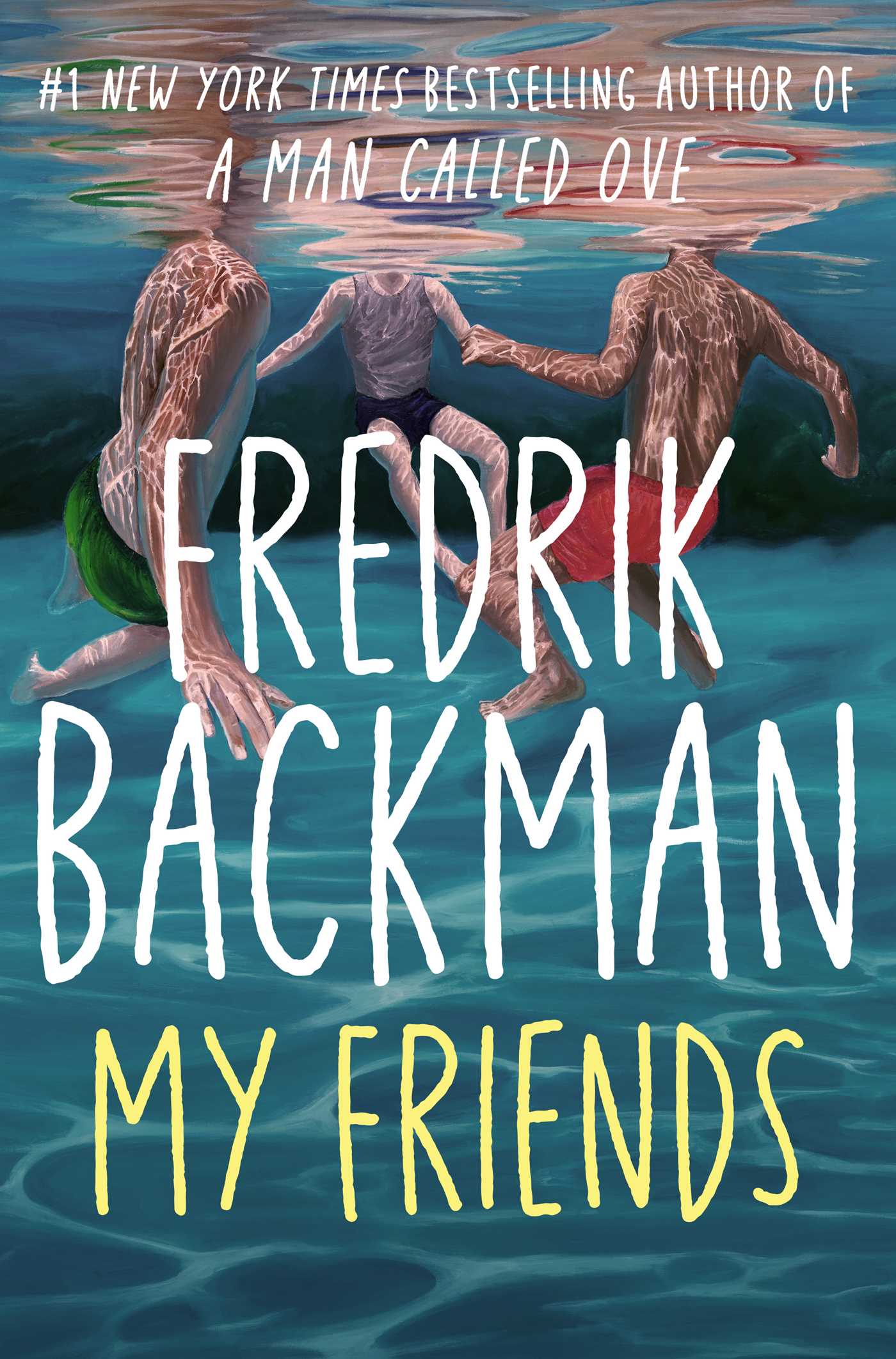
I am reading the upcoming Fredrik Backman novel, My Friends, which includes a thread of a story about a 14-year-old boy who is often beaten by his drunken father who has come home looking for a reason for violence. I have never known anyone personally who has suffered such a terrible circumstance. Yet I can feel the suffering and the caring of the friends around him who love him. I feel true empathy and support for the boy. The consequence of the actions of the father are clear in my mind’s eye. How this affects the boy and those around him. I can clearly see the right and wrong.
Books take you on a character’s journey of experiencing events and actions. Along the way we learn from them as they become better people. Whether it’s fiction or non-fiction – stories about how people of different colour are treated teaches us about the effects of racism, leading us to understand the better way to behave. We can read about bigotry and, even though we are experiencing it from afar on the pages of a book, this helps us to make our own good judgements.
Every single time you read a book you can add to your moral compass in some way, small or big, of what is right and what is wrong.
And how important does that make children and younger people being encouraged to read books? Every one of you reading this knows the answer to that question. You share the collective value. It is simply imperative. And I’m as passionate about that as I am about the plants and the bees and the birds and, of course, the ringtail possum nesting in my possum house.
Rowena
0 Comments