


I have been watching with sadness the increasing number of books being banned in the US. The news feed that lands in my inbox every day is littered with stories of the books that are being banned in some States.
In one article it talks about the American Library Association’s annual conference. There, librarians were discussing and learning how to counter book challenges, fighting legislative censorship, and ensuring information access and the freedom to read for all. The Independent reported that ‘several States are pushing to restrict access to books in schools and libraries, overwhelmingly those about race, ethnicity and LGBTQIA+ topics. The association in March released data showing a record 1269 demands to censor library books in the US in 2022, a 20-year high.’
We all have a right to choose what we read, and for that matter, what our children read. But no-one else has the right to choose what you may read. That’s your right. Your freedom of choice.
It seems to me that the issue with the current flurry of requests for book bans is that the minority are loud and the majority are quiet. Surely the majority of people oppose censorship?
 I can’t believe that the majority of people in the US would want, for example, ‘Harry Potter’ banned. It is the extremes of society, no matter left or right, that seem to be the loudest, while those more in the middle, which is the majority, remain silent.
The US librarians are correct in fighting it. It’s important they don’t concede to banning books or censoring what a library stocks because a small group of people believe they shouldn’t be on the shelf. There are even demands for laws to be enshrined to prevent certain books being available.
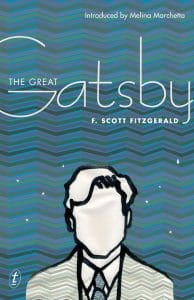
Over the years so many of the great classics have been challenged in the US. 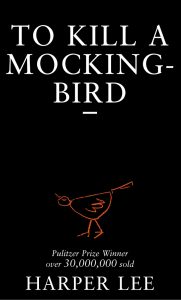 The Great Gatsby because of ‘language and sexual references’ in the book. To Kill a Mockingbird for the use of the words ‘damn’ and ‘whore lady’. It was called a ‘filthy, trashy novel’. In 1981 it was challenged because the book does ‘psychological damage to the positive integration process’ and ‘represents institutionalised racism under the guise of good literature’. The Color Purple was banned in a School District in 1992 as inappropriate reading for 10th graders because it is ‘smut’.
was challenged because it was ‘demoralising inasmuch as it implies that man is little more than an animal’. Well, actually, we are all animals. We like to think we’re civilised but we only have to look around the world to see that whatever we 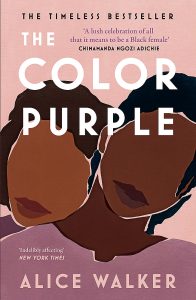 think we are, and have, can disintegrate pretty quickly. I imagine we’ve all met a ‘Piggy’ in some part of our lives. It may not have been in such extreme circumstances, but I can bet we all know someone who has been a bully or bullied.
It seems to me that most of the books being challenged are for exactly the same reason the book is so important. Fiction can expose ugly truths that we may not want to acknowledge. Bigotry, racism, much of it institutionalised, can be brought to light and we can learn from characters as to the effects of these on people and our society. We learn to empathise.
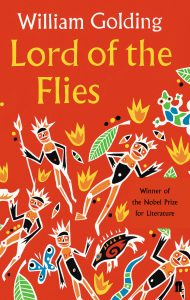 The aim of Lord of the Flies was to highlight humanity’s flaws, how we can so easily revert back to basic instincts when put under pressure. We can learn from that, understand it and recognise it in our own lives and societies around the world.
In 1974 four residents sued the Board of Education to remove One Flew Over the Cuckoo’s Nest by Ken Kesey. They said it ‘glorifies criminal activity, has a tendency to corrupt juveniles and contains descriptions of bestiality, bizarre violence, and torture, dismemberment, death, and human elimination.’ It highlights the extremes that we can go to when people don’t fit into what we think of as ‘normal’. We can be led into thinking we are doing right, when it is wrong. Written during the Civil Rights 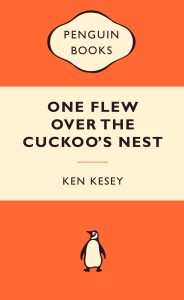 era, it highlights how others can coerce and control.
Of course, there are a large number of LGBTQIA+ books that people are attempting to ban. Agendas abound, and the reasons are obvious for these challenges. With the ‘coming out’ of a once-closeted part of our diverse community, some find differences in people hard to accept, in fact, some find it confronting. I think as new generations arrive, more accepting and tolerant, the majority will no longer be silent.
We need to look at fiction and admire how writers can help us empathise with those in different circumstances, who feel different, who look different, who have a different experience to us, the reader. They raise the flag for those who are suffering, who are wronged. They take us by the hand and help us see the world through others’ eyes. These books also allow us to look back on history and understand what has come before.
This is not for banning, but for celebration.
Rowena

0 Comments