


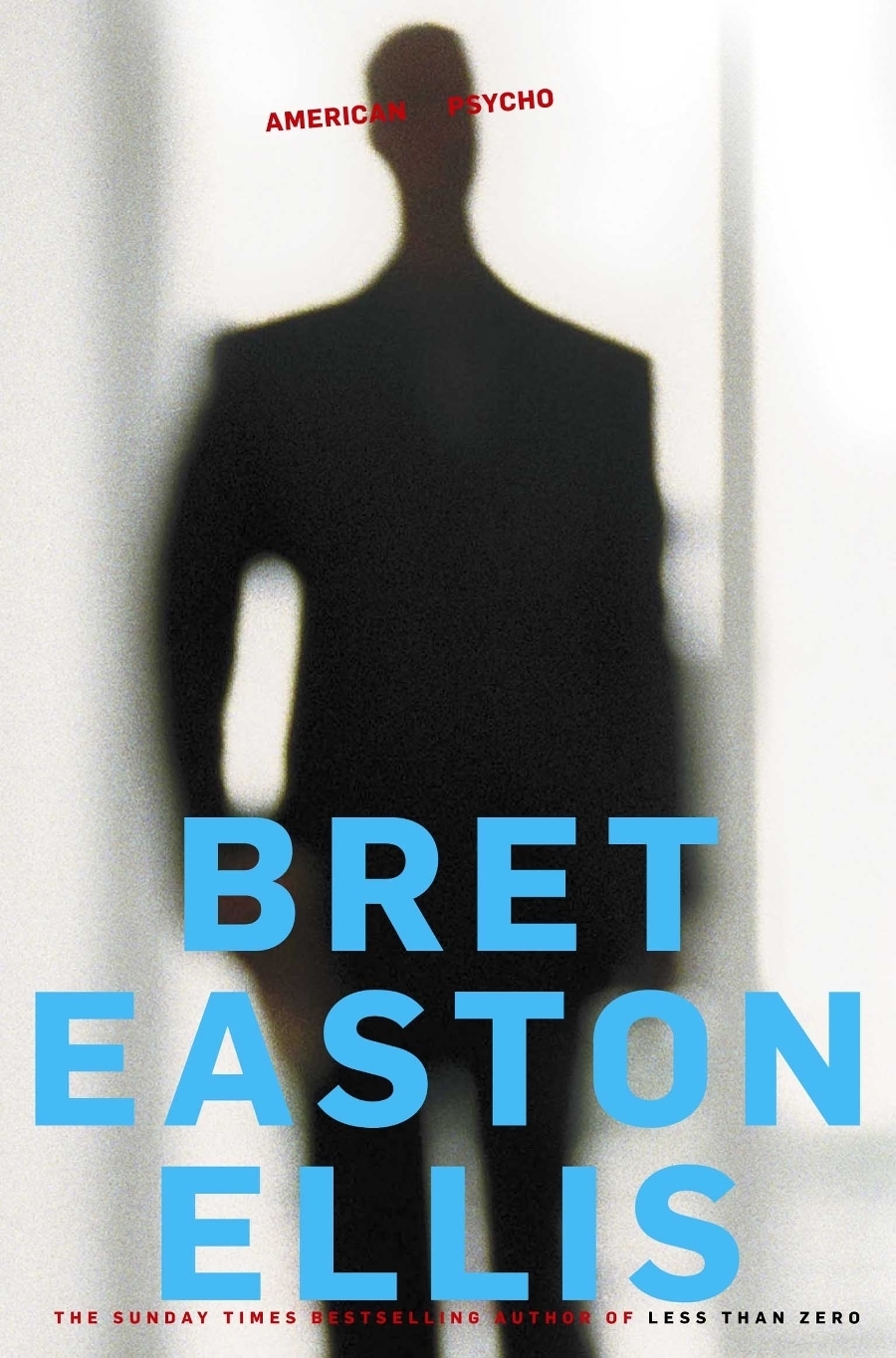
 Last year, there was news of calls for a rating system for young adult books. It’s a rare thing in Australia and New Zealand – you almost never see ratings on books here. Australia dallied with rating’s when American Psycho by Bret Easton Ellis came out in the late ’90s, wrapping the book tightly in clear plastic with an R-rating sticker affixed to the front cover. Also in the early ’90s was Madonna’s book, Sex. Although no rating applied, it was sealed in distinctive silver packaging. Whether that was to stop people browsing before buying, or simply to make it feel more salacious, it certainly worked – the book sold extraordinarily well. Tame by today’s standards, of course, given what’s freely available online.
The challenge with YA (young adult) books is that while the age range may be narrow in years, it spans an enormous range in reader maturity and the themes they’re ready to engage with. This becomes particularly tricky with advanced readers. I’ve often had parents tell me their 10-year-old reads at a 14-year-old level and, while it can be difficult, you can still find books that match their reading ability without exposing them to content that isn’t yet appropriate. It requires care and selectivity. I know of a family who allowed their children to read Stephen King before the age of 12. A prolific and terrific author, with gripping storylines, some of his books might be okay; others are clearly not suited to young readers as some of his tales scared the pants off me.
If you’re ever unsure, I’d encourage you to ask your local bookseller or librarian. They are wonderfully knowledgeable, and always friendly and helpful. Their expertise is there to be used.
I’m an advocate for age guides – something like 14+ – which give readers and parents a clear sense of who a book is best suited to. In fact, I believe all books aimed at younger readers should carry a minimum age guide.
But would we be better served with a different rating system for young adult books? Some argue it would bring books in line with other entertainment, like film and television.
I don’t believe formal ratings – the kind used for films – are the right fit for books for many reasons. Films, gaming, TV are visual entities, books are in your own imagination. Also, visual mediums are a different beast altogether and have become more violent and confronting, whereas I would argue books for YAs have not.
 Applying ratings like R or PG to books is far more complex than it sounds. Books are deeply nuanced, and what one person or culture considers appropriate, another may not. It’s simply too subjective a task. Families, communities and individuals all bring different values and perspectives to what they read.
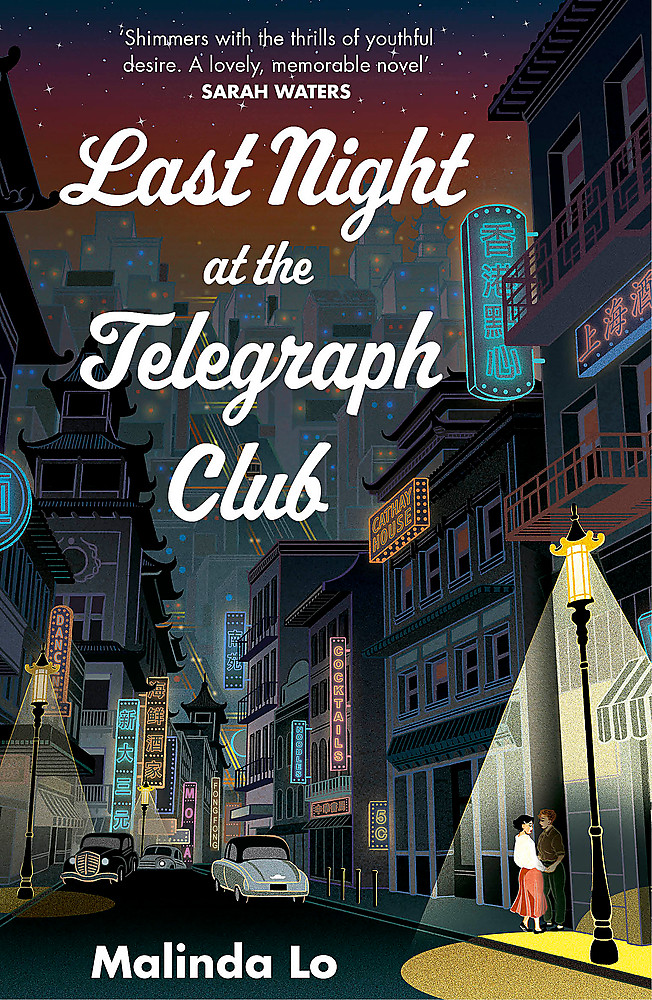
The difficulty of making these judgements is perhaps best illustrated by what’s happening in the United States right now, where books are being banned across the country – some of them classics, some mainstream fiction. They offend a minority, but sometimes that minority prevails. According to PEN America, the most banned books of the 2024–25 school year include A Clockwork Orange by Anthony Burgess, Breathless by Jennifer Niven, Sold by Patricia McCormick, and the award-winning Last Night at the Telegraph Club by Malinda Lo. Titles by Jodi Picoult are on the list. In total, 6870 book bans were enacted during the 2024-25 school year, across 23 states and 87 public school districts. Could ratings lead us down a similar path?
Would authors feel pressured to self-censor if their work risked being assigned a particular rating? Especially in YA, where sensitive subjects are often handled with great intention and care, that kind of effect might genuinely alter the way writers approach their work.
 Books help us learn about other people who might live different lives to our own, have different experiences. We broaden our understanding of the world, we learn about history, find gratitude, we understand what it is to care. When young people are now more than ever living in an echo chamber where they learn about and consume news, we need books more than ever. They need to be widely available, not put on a possible road to censorship, where some judge what is appropriate for the many.
Books particularly help children and young adults develop empathy, tolerance, understanding and critical thinking. They help us to grow into better people.
By labelling certain books with restrictive ratings, are we inadvertently making them taboo? Surely this is not a desirable outcome. And, as with Madonna’s silver-wrapped book, there’s a strong argument that making something forbidden only makes people want it more.
So, I return to where I started: I believe in age guides. That’s where we need to go.
A simple 3+, 10+ or 14+ on the back cover gives readers and parents the guidance they need, without the complexities of a formal rating system – and without the risks that come with it. It simply helps. It doesn’t restrict.
What do you think? •
Rowena
0 Comments