


One moment you’re dancing the night away with the flexibility of a gymnast, acing important meetings or deadlines, or expertly juggling life’s challenges like a master plate spinner. Then out of nowhere, those plates unceremoniously start crashing. You may start feeling niggling pains in your knees and shoulders, have trouble falling or staying asleep at night, and struggle with even the simplest of tasks.
CHANDRA HAZEBROEK looks at some non-fiction and fiction books to help demystify perimenopause.
Welcome to perimenopause, a journey you didn’t even know you had begun. In an era where awareness of holistic healing is on the rise, and when conventional medical advice falls short, many women are turning to books for knowledge, clarity and validation about their health journeys. Since statistics suggest that two-thirds of Australian readers are women aged 30 to 60, it makes sense for the publishing landscape to address and support women through this challenging chapter in their lives.
 Over the last few years, perimenopause self-help books have been popping up more often in bookshops, offering women a variety of management options. Given that each woman’s journey through perimenopause is unique, what works for one may not work for another.
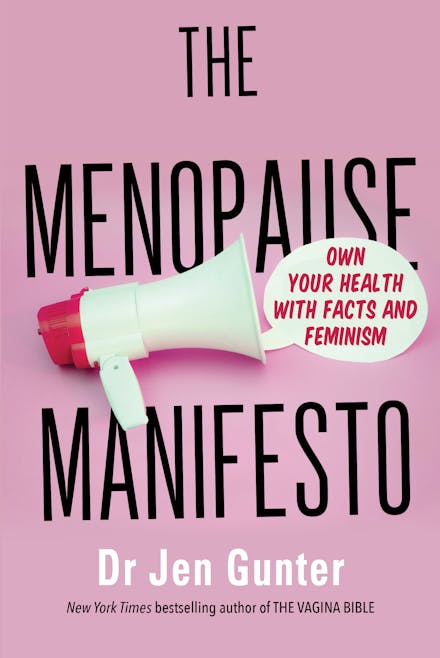
Amid the widespread misinformation about perimenopause, Dr Jennifer Gunter’s The Menopause Manifesto dispels myths with factual, scientific and expert insights. A staunch advocate for women’s health, Dr Gunter addresses hot flushes, sleep disruption, sexual health, libido, and mood changes, empowering women with the knowledge and tools to navigate the menopause transition effectively.
If you’re finding it difficult to understand the changes you’re experiencing, menstrual health expert Maisie Hill’s latest book, Perimenopause Power provides an empowering guide through the physiological shifts of perimenopause. As the founder of The Flow Collective, an online platform dedicated to helping women understand their hormones, and the author of Period Power, Maisie Hill offers valuable insights into both physical and psychological changes during perimenopause.
 Naturopath and women’s health expert Lara Briden’s book, Hormone Repair Manual, explains the four phases of perimenopause and provides an easy-to-read guide to various treatment protocols for symptoms such as night sweats, insomnia and migraines. Many women might find the section on suggested supplementation helpful, as well as Briden’s tips on how to discuss the different hormone therapies with your GP.
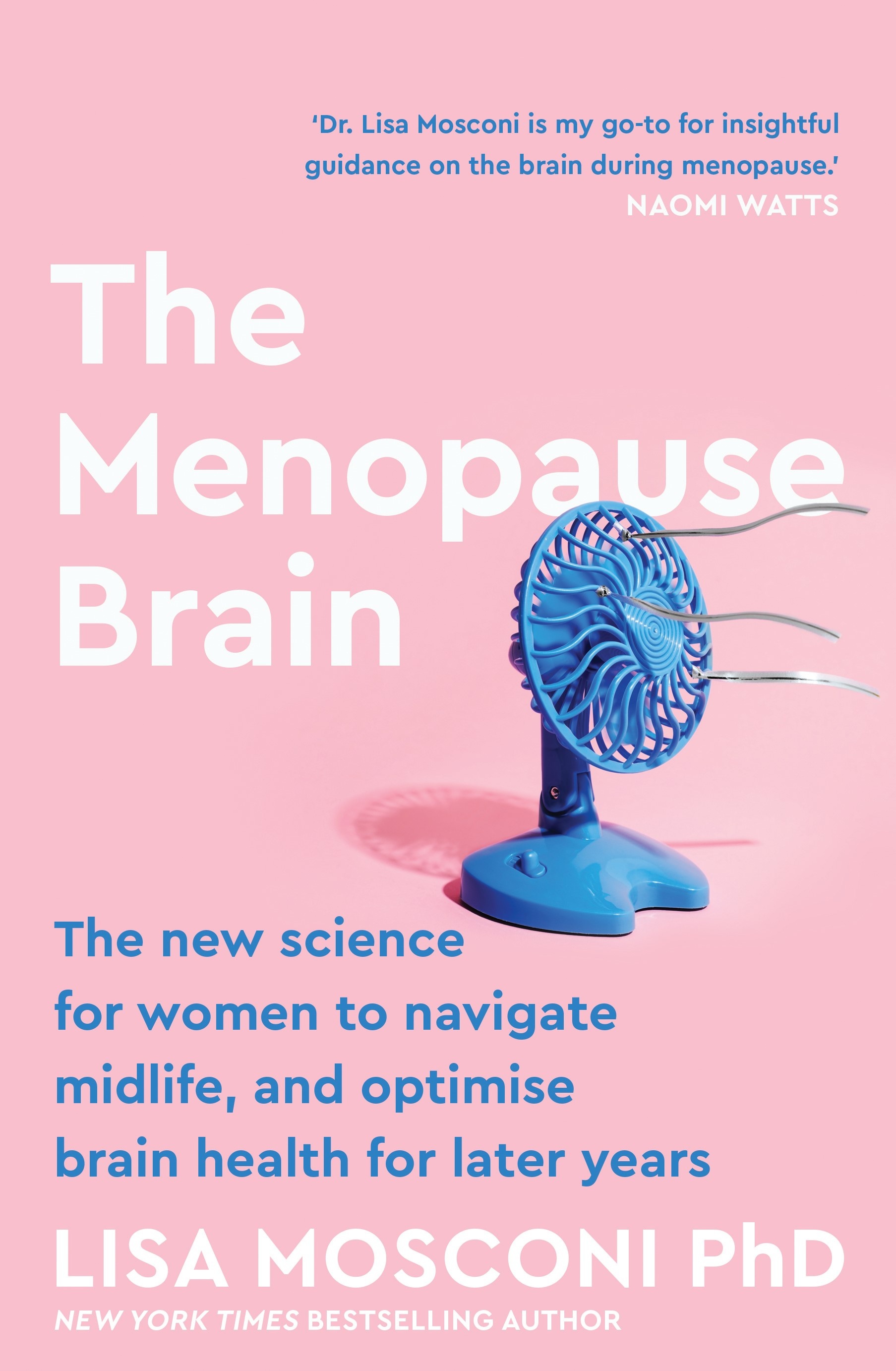
New to the market is The Menopause Brain by neuroscientist and women’s brain health specialist Dr Lisa Mosconi. This book explores the latest science behind perimenopause, focusing on its effects on the body and brain. Dr Mosconi discusses factors such as hormone therapies, lifestyle changes, diet and exercise to help women navigate this phase successfully.
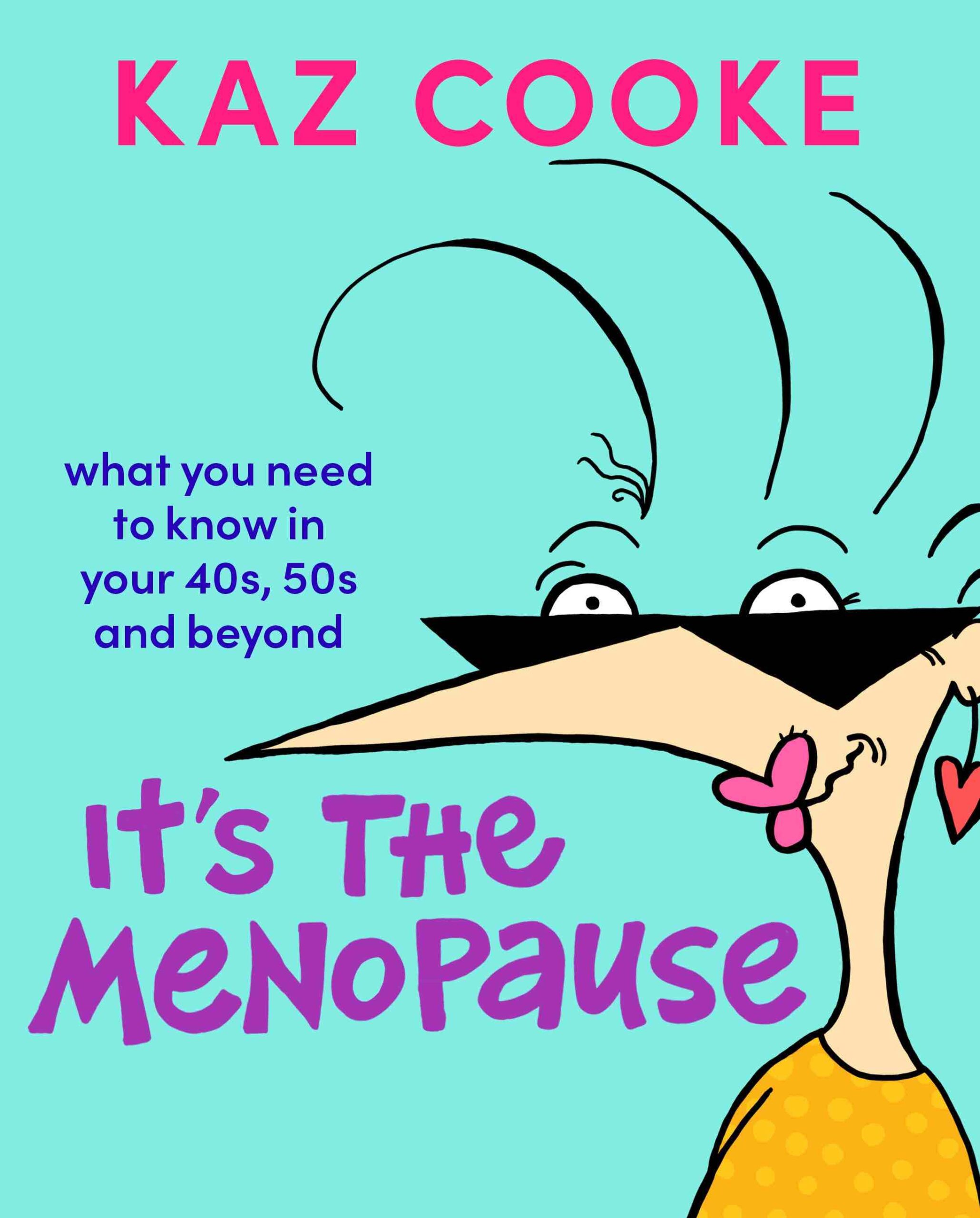
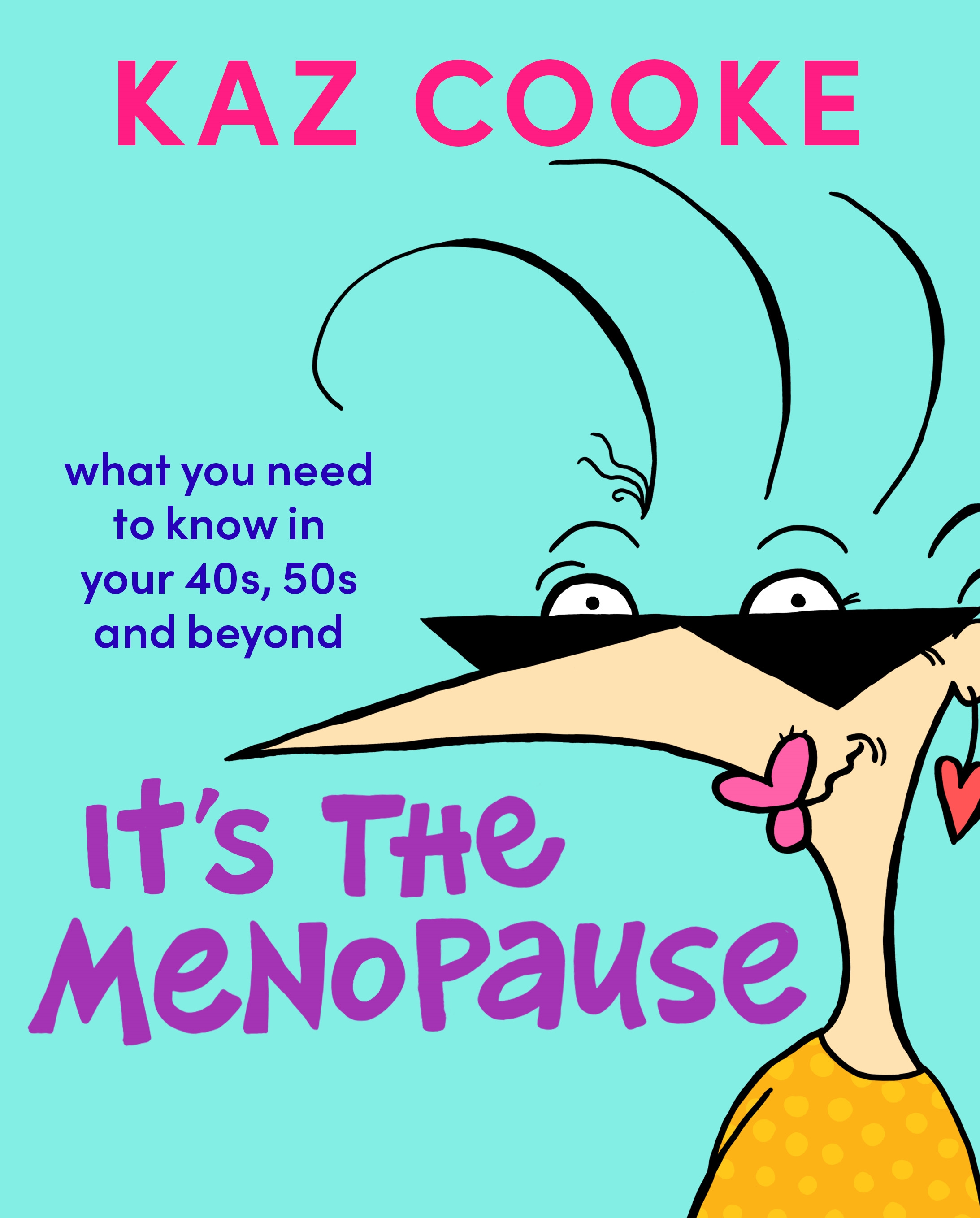 The imitable and hilarious journalist and author Kaz Cooke released her book, It’s the Menopause, last year. Inside this book she covers everything to help you navigate perimenopause, menopause, ‘early’ menopause and is-this-even-menopause? She covers all your questions from hot flushes, brain fog, bad sex, dry skin to sleep problems and more. It’s a terrific guide which she presents with humour and loads of positivity.
These books, although enlightening and optimistic, share a pragmatic approach to the discussion around perimenopause. But what if pragmatism is not your vibe? Fortunately, for those of us who prefer to unwind with a good fiction novel at the end of the day, ‘hot-flush lit’ is the new genre on the block.
Woman of a Certain Rage by Georgie Hall is a humorous novel about Eliza, a 50-year-old woman who yearns for the excitement she used to feel in her youth. Now, she is angry and frustrated at life, her waistline, her husband’s complacency and her ‘woke’ teenage kids. An unexpected situation 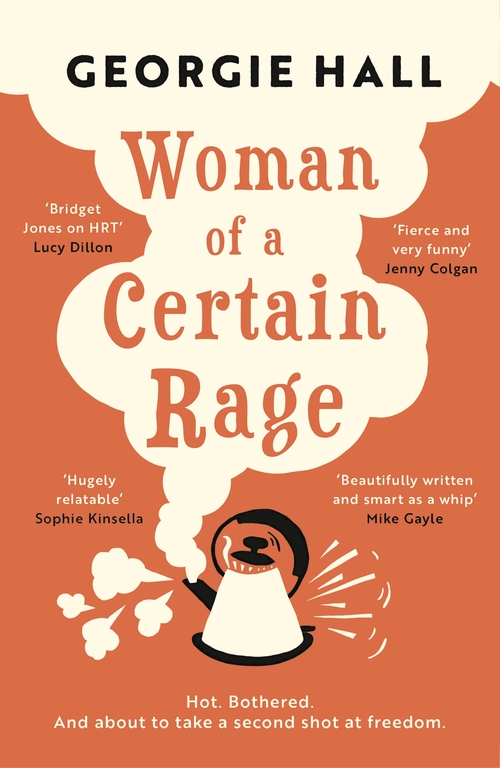 shakes things up, which takes Eliza on a journey of self-discovery. Eliza, albeit hot and sweaty, is a frank and feisty heroine that many readers will relate to.
Amazing Grace Adams by Fran Littlewood is an entertaining coming-of-(r)age novel about a woman who once felt on top of the world but now feels invisible. Having lost her job, her husband and daughter leaving her, and struggling with perimenopause, she’s reached her breaking point. The story unfolds over a single, disastrously bad day, and readers will delight and sympathise with Grace’s journey as she reclaims her identity.
For magical realism lovers, The Change by Kirsten Miller offers a compelling narrative centred on three women with diverse backgrounds, united by their shared experiences of loss and loneliness as they approach 50. As they navigate menopause, they discover a new type of empowerment. They’ve developed special abilities that they harness to seek justice for the innocent.
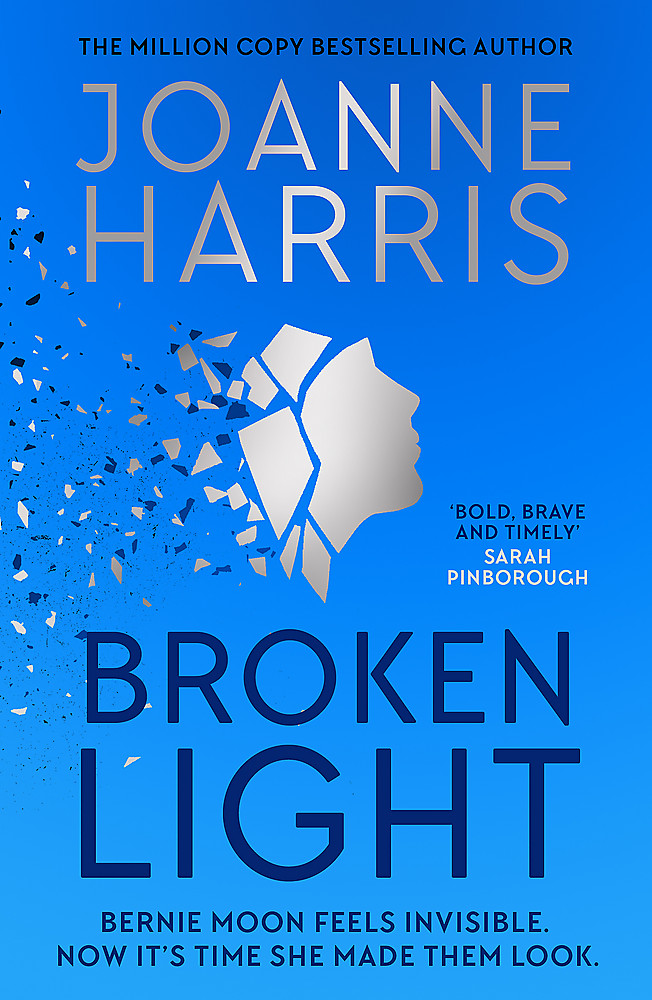 Broken Light by bestselling author Joanne Harris takes an intriguing approach to explore menopause, feminism and toxic masculinity. A murder in the neighbourhood sparks Bernie Moon’s magical ability that had lain dormant under the burden of a static life. With her reignited abilities, Bernie Moon seeks to change the ways of misogyny, but at what cost?
No matter your preferred genre, the abundance of perimenopause non-fiction and novels, offer many women relief, guidance, validation and humour. You might not be spinning plates as effortlessly as before, or you might feel like you’re losing who you once were but, remember, it is only by crumbling inside a cocoon that a caterpillar emerges as
a butterfly
0 Comments