


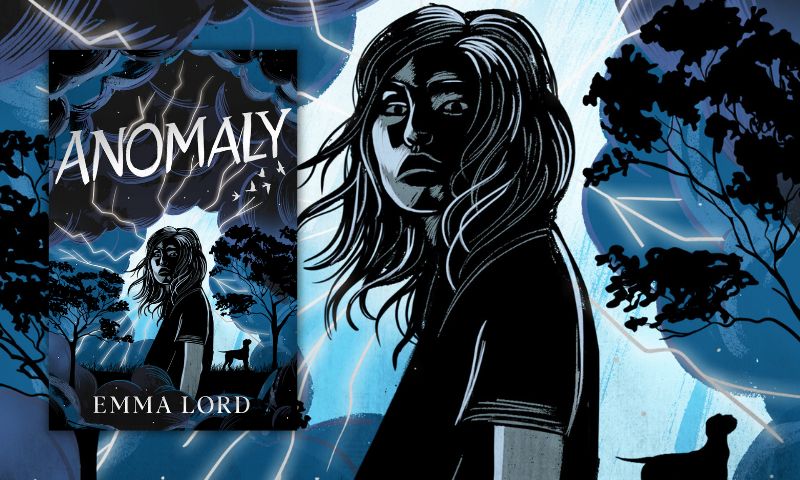
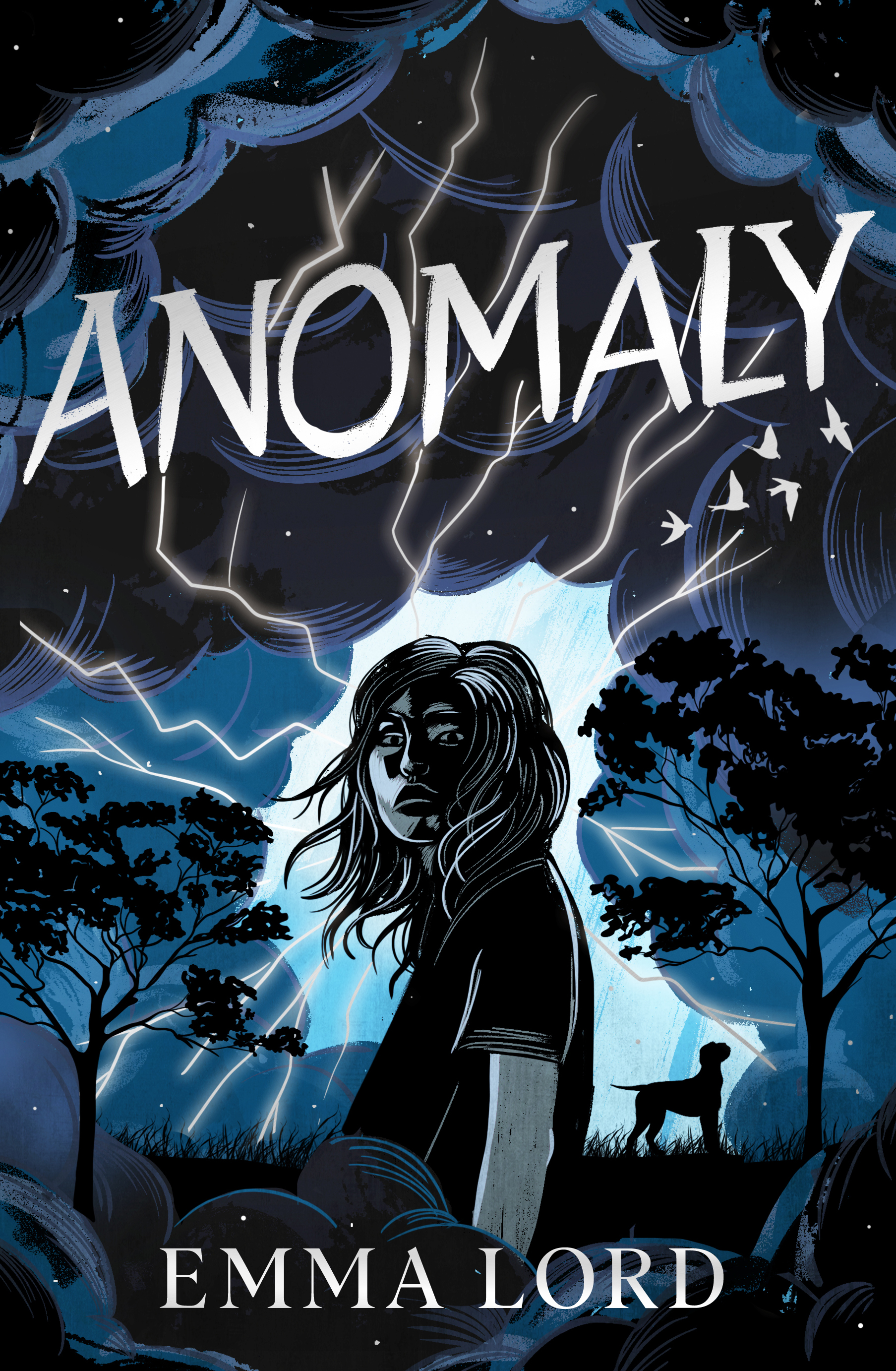
Good Reading for Young Adults caught up with author EMMA LORD to discuss her debut novel, Anomaly, a story that will force you to question destiny, memory and how far you would go to survive.
Where did you get your love of storytelling from?
It evolved naturally from a love of reading, which my mum instilled in me at a young age. Some of my earliest memories are of her reading me Charlotte’s Web and The Magic Faraway Tree. She was a librarian, so growing up I had almost unlimited access to a diverse range of stories, and to this day, leaving a library or bookstore with a fresh pile of books to dive into gives me a rush.
My mum also discovered early on that giving me a pen and paper was a sure-fire way to keep me out of mischief – I started writing little stories and wreaked havoc on the page instead.
What inspired the dystopian world of Anomaly?
I’ve always been drawn to post-apocalyptic and dystopian stories. As a teenager, I read books like The Stand, Z for Zachariah, and John Marsden’s Tomorrow When the War Began over and over. The idea that life as we know it could turn on a dime fascinated me, because it felt just a sidestep from possible, and raised so many questions in my mind. What would it take to survive a scenario like that? How do you stay safe in a world where all the normal rules have dissolved?
The world of Anomaly took on a new dimension once I fixed on an Australian setting. Our landscapes are unique and beautiful and hostile and haunting – all at the same time. What better place for a post-apocalyptic monster invasion to play out?
In what ways did experiences in your personal life shape the characters and scenes in your book?
I began writing Anomaly while recovering from postnatal anxiety and depression, and my experience of postpartum mental illness definitely shaped the psychological challenges Piper faces – as well as the story’s main antagonists. Grappling with mental illness feels very much like battling monsters that have invaded your mind – ones that keep coming at you, even when you’re convinced you’ve killed them all.
After losing my mum to cancer in 2019, I was also driven to explore the nature of grief, its cataclysmic impact on those who remain, and all the questions it raises. What – if anything – do we get to keep of the people we’ve loved and lost? How do we retain a sense of connection with them, despite their physical absence?
What can you tell us about the Reapers and what they represent?
The Reapers are very much monsters of the mind. They paralyse you with a single touch and plunge you into your worst memories, where you’re trapped on a loop as they feed on your mental energy. They reflect cycling thinking, intrusive thoughts, paralysing fear, and the all-consuming sense of being mentally stuck in a dark place – at the mercy of your worst thoughts and feelings – with no visible escape.
What can you tell us about your character Piper Manning and the obstacles she’ll face?
When we first meet Piper, she’s alone in the aftermath of a devastating global event that has wiped out most of humanity. This event left her with frightening new abilities she can’t control, and she’s chosen to remain isolated because she’s scared of what she might be capable of.
Not only is she grappling with new powers and struggling to gain agency over her situation – she’s also carrying a lot of unprocessed grief for her father, who died several years prior.
So, she’s white-knuckling it through each day, relying on routine and her own resourcefulness to get by, when a twist of fate brings trouble to her doorstep. This shatters her isolation and any illusion of safety, and she’s forced to go on the run. But ultimately, her survival depends on her ability to face everything she’s running from – including the traumas of her past.
What was your favourite part of writing this book?
The editing process. It was intense, but also immensely collaborative and rewarding. I was very fortunate to have the opportunity to spend time with my editor, Meg Whelan, at Varuna prior to signing with Affirm. I got to know her and the types of stories she loves, and I immediately felt her vision for Anomaly aligned with mine.
It sounds a bit grim, but I also enjoyed the bizarre research vortexes that came with writing a story like this. I like to think I’d have a better chance of surviving an end-of-the-world scenario now … but I’m probably deluding myself.
What do you hope readers take away from your novel?
A sense of hope. I’m aware that sounds strange given the book covers some pretty dark territory, but at its core it’s a story about the power of memory, and connections that transcend all obstacles. I hope it resonates with readers who’ve faced grief of their own.
ABOUT THE AUTHOR
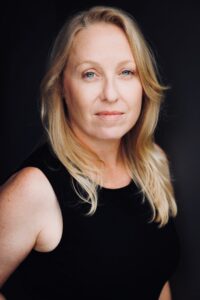 Emma Lord is a freelance copywriter and author living in Sydney’s inner west. She loves all things sci-fi, fantasy and horror, but has a particular soft spot for reading and writing YA. Anomaly is her debut novel and was published after an early draft was selected for the Varuna and Affirm Press Mentorship Award in 2020.
0 Comments