




EMILY HOWES is a historical fiction author who is fascinated by the untold stories of women throughout history. Her debut The Painter’s Daughter explores the lives of Peggy and Molly Gainsborough, daughters of the painter Thomas Gainsborough.
Her new release Mrs Dickens is a captivating look at the life of legendary writer Charles Dickens, and the women that surrounded him. Read on for a Q&A with Howes about the stories from history she wants to tell.
What sparked the idea for Mrs. Dickens?
 The moment I found out that Dickens had described his wife of twenty-two years as a ‘blank’ on the page of his life, I was hooked. Who was the woman who had this unparalleled view of one of the world’s greatest writers, who bore him an astonishing ten children, and who lost his love so abruptly and so finally after they spent the best part of their lives together?
She was, I soon discovered, a brilliant home cook, who published her own cookbook under the pseudonym Lady Maria Clutterbuck. She couldn’t breastfeed, struggled with postnatal depression, performed in home theatricals. She travelled the world, and climbed Vesuvius, and could never bear to wear spectacles so spent her life bumping into things. I knew instantly that I wanted to write about her.
Once I started taking a chisel to the layers built up through nearly two centuries, I found beneath a rich, enticing tale of power, narrative control, and silencing. It is the story of a marriage, tracing a tender romance through its slow slide into midlife unhappiness, but as I have researched and imagined, I have found a novel emerging about the cost of freedom; about the narratives we carry about who we are, and how we struggle against the nets we find ourselves trapped in.
When did you first encounter Charles Dickens’ writing? Do you have a favourite novel by him?
 Like a lot of people, I first came across his stories as a child – in the film Oliver!, a school production of Nicholas Nickleby, A Christmas Carol at the theatre. I remember being really frightened at parts, but hypnotised – Dickens understood so vividly how awful it is for a child just beginning to make sense of the world to be beaten down. I think that’s a very real fear for children, and he captures it like no one else.
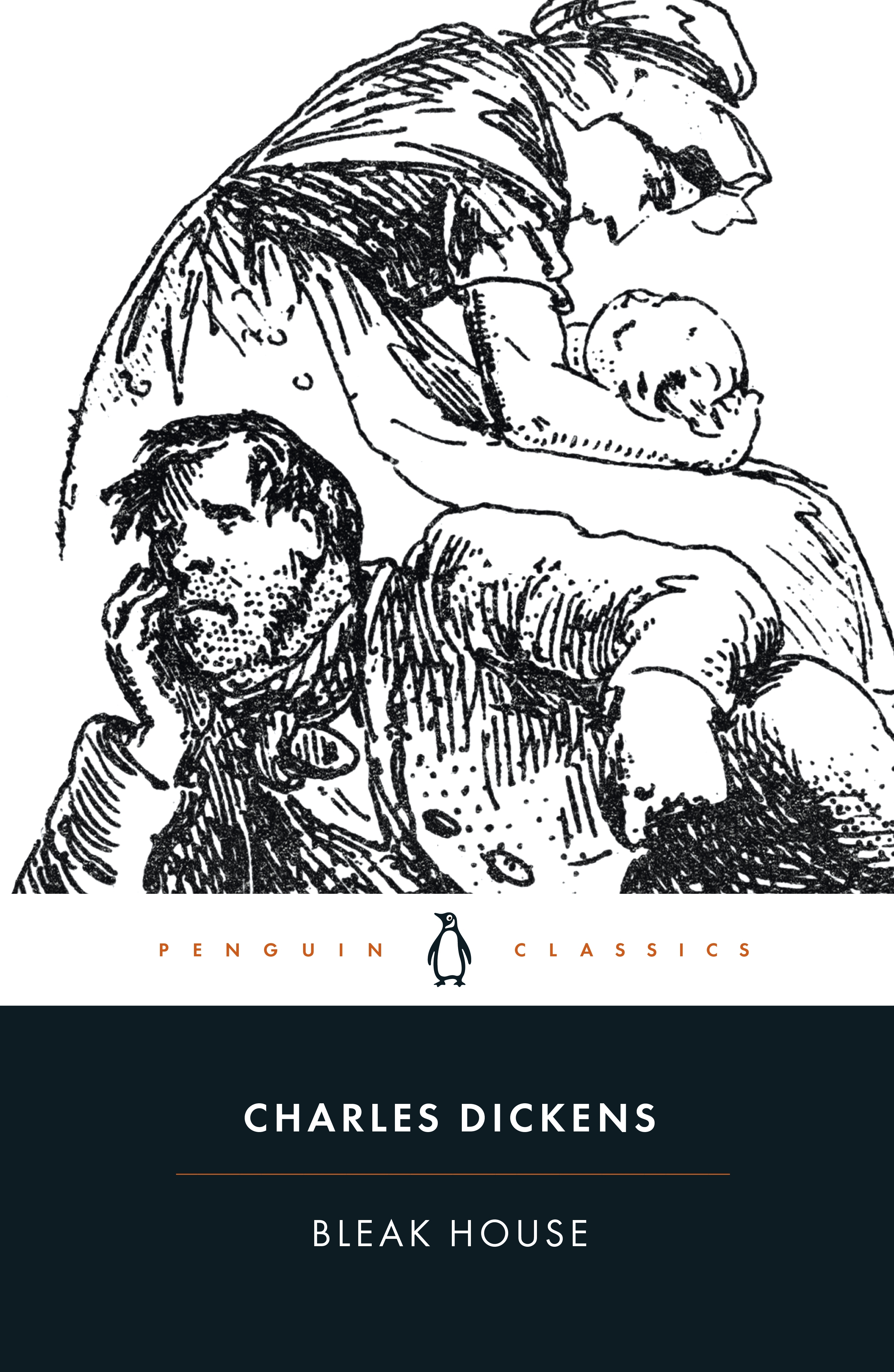
I then studied Bleak House at school, but I was more of a teenage Wuthering Heights fan at that point. Even now, I find that I love Dickens most when I encounter him in snapshots, which is of course how his novels would originally have been served up. Rather than a single novel, I am passionate about powerful moments, or particular characters, or the cartoonish brilliance of his descriptions.
Your previous book The Painter’s Daughter was another tempestuous historical fiction based on real-life women in proximity to a great artist: Thomas Gainsborough. What draws you to telling these narratives?
 I think what it means to be a woman now is still very much shaped by, and in dialogue with, the whole history of womanhood down the generations. I’m fascinated by what we still carry from centuries of expectation, and centuries of always being surrounded by men with more cultural and financial power.
A lot of historical fiction is about extraordinary women, the women who defied the odds, but I have found myself really interested in the women who were forced to live within them. The famous artist aspect has been really fascinating too, as it unlocks something about power and privilege, and what we forgive in artists because of their art. I have found that exploring that experience through these two novels has revealed so much about my own life and my own experience as a woman living now.
How did you research this book. Did you go to London to visit the historical landmarks from the story?
I had the best time! I’ve been all over the place, from Genoa to Lausanne, from Paris to Broadstairs to Edinburgh. Catherine Dickens had the most extraordinary life of travel – it’s one of the things I’ve loved finding out about her. So many places in the Dickens’ life lie all around us in London where I live. They are inside the skin of the city, and when you stop to look, you find there’s something of the story of the marriage there on an unassuming corner, or in a church you could walk straight past.
Katherine Dickens is often overshadowed by her husband, so not many people know their marriage ended traumatically. Did you decide to be unflinchingly true to history and capture this darkness in your re-telling?
I did. I was quite shocked by what I discovered when I looked at the years around the end of the marriage. I kept almost everything that happened. It is very hard when there’s so much source material to decide what to keep and what to leave out, but there are events at that time that can’t be ignored, and I think deserve to see the light of day.
Charles Dickens has been dead for 160 years and his works are still just as beloved today. Why do you think it is necessary to call out the past and make people accountable for their actions?
 It’s interesting to hear it put that way, as I have never thought about my book as an attempt to call Dickens out or to force him into accountability. I’m more interested in bringing something to life – a story that feels like it’s calling to be told. I think there are certainly moments that readers will be shocked by, and that may change the way they understand him. I’ve tried to show him as a living, breathing man in his full complexity, the man Kate falls in love with, a man who is both very kind and very cruel, who is full of brilliance and fun and an increasingly restless unhappiness that could be punishing to those around him. I think that letters and records and accounts of him very much reveal him to be this way. Mostly, I have wanted to explore what it is like for a woman when somebody with more power over the narrative tries to erase you from it, or distort your experience, and what it means to lose your own voice.
Your story follows Anne Brown, the servant who may have been Charles Dickens mistress. Do you include his more sensationalized affair with actress Ellen Ternan?
 Ellen Ternan does appear in the book, as Dickens’ relationship with her was so instrumental in bringing about the collapse of the marriage. We see the famous moment when Charles ‘forces’ Catherine to go to Ellen to take her a bracelet that was accidentally delivered to his wife. The book is of course very much centred on Catherine’s experience, as a sort of counterpart to Claire Tomalin’s The Invisible Woman which sets about understanding Ellen’s.
What do you hope every reader takes away from this book?
I’d love people to feel they have heard a new voice, and a new way of understanding Dickens as a family man. I’d love people to come away with the questions the book asks in their minds – can we ever control our own narratives? Do we, even now, value fame, talent and money over everything else? What does it mean to be a wife, and how much of Catherine’s understanding of it is still with us now?
What historical figure would you like to write about next?
I’m not sure if my third novel will be about a real historical figure, but there are many women I’d love to write about. I’m very interested in the pioneering female gardeners of the 20th century at the moment, but I’ll have to see whether that idea turns itself into a novel over the next few months!
If you were stuck in a lift with five women from history, who would they be?
Simone de Beauvoir, Anne Boleyn, Emily Bronte, Elizabeth II, Aphra Behn.
I’m claustrophobic, but would not want to be rescued!
ABOUT THE AUTHOR
 Emily Howes is the award-winning author of The Painter’s Daughters. She has worked as a storyteller, theatre maker, performer, writer and director in stage, television and radio. In addition to writing fiction, Emily has a Masters in Existential Psychotherapy and works as a psychotherapist in private practice. She lives in London with her children.
Read a Q&A with Emily Howes on The Painter’s Daughter.
Follow Emily Howes on Instagram here.
Read more on the publisher’s website here.


0 Comments