



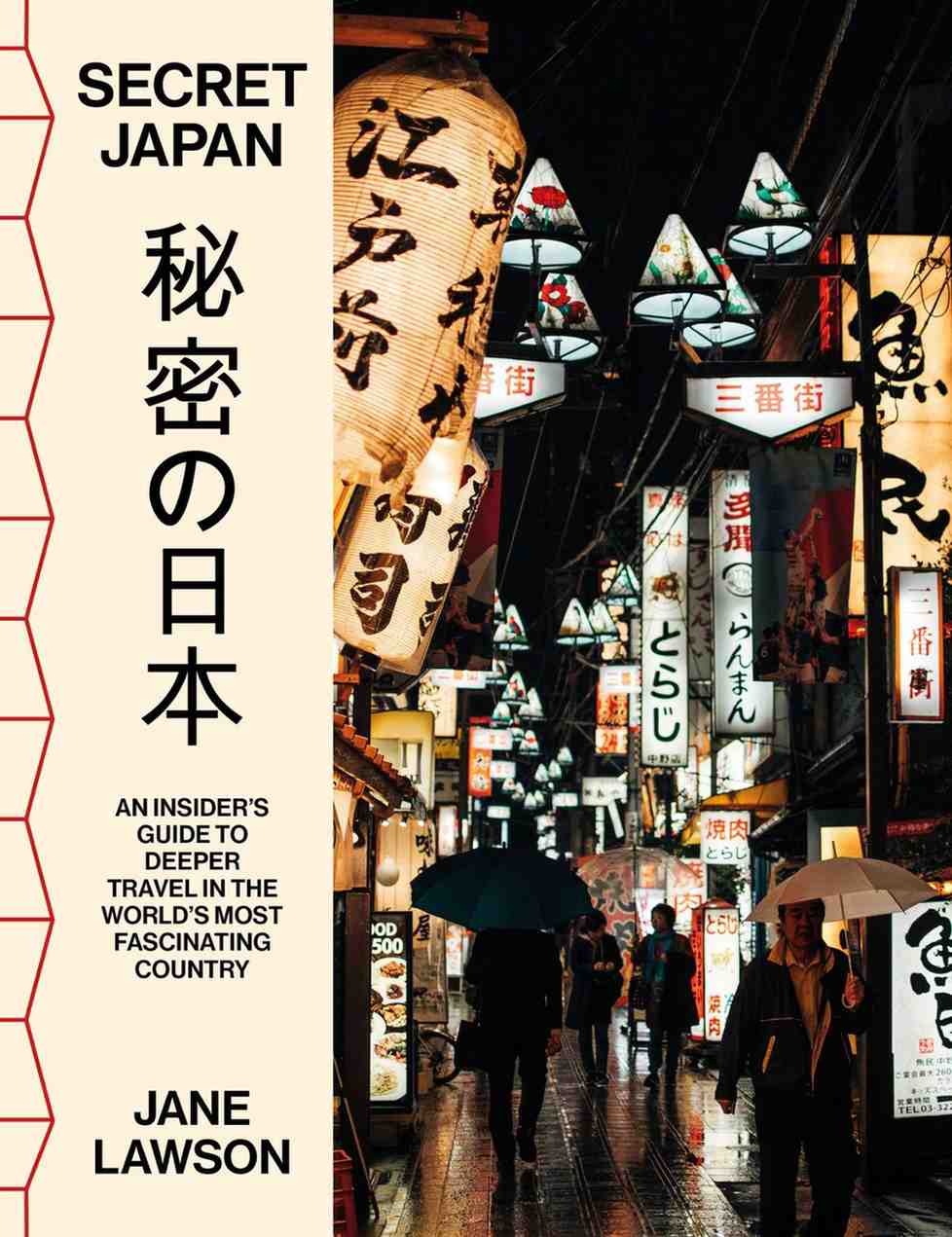
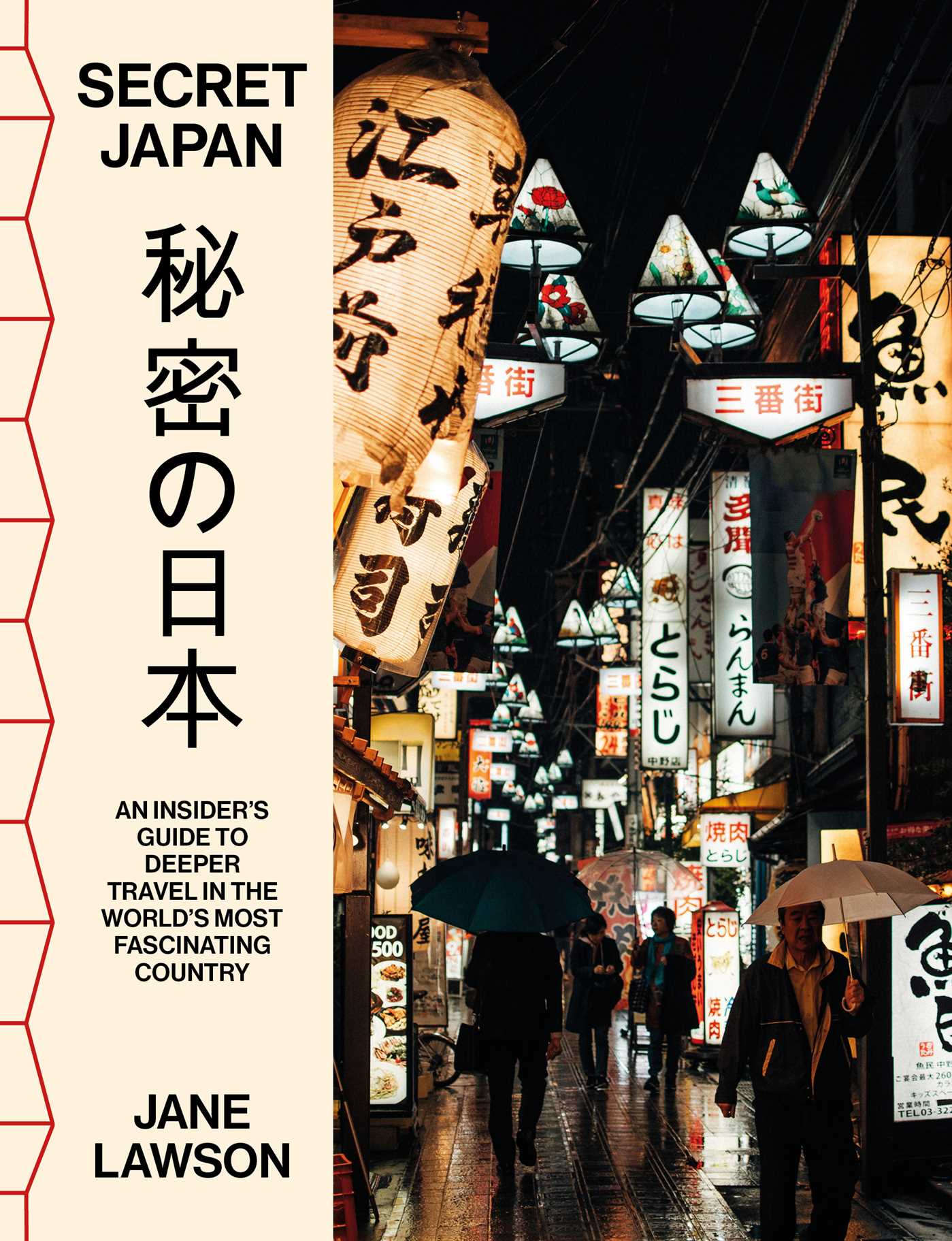
Secret Japan by JANE LAWSON is a stunning and immersive photobook guide to Australia’s top travel destination. From a travel writer who has spent over 40 years in Japan, this book is a practical guide to understanding and appreciating this beautiful country.
Read on for an extract.
ABOUT THE BOOK
 In Secret Japan, writer and tour host Jane Lawson draws on over 40 years of immersive Japan travel to open up a world that outsiders rarely access. Through storytelling, photography and practical advice, this book will help to guide you towards your own ideal itinerary:
Shape a journey to suit your interests, avoid crowds or make the most of the seasons.
Discover the intricate wonders of Japanese dining, arts, crafts and etiquette.
Explore the unique attractions and characters of each prefecture.
This book doesn’t just tell you what to see and do in Japan (though it will give you many ideas); it teaches you how to travel, offering priceless insights into Japan’s culture and history to help guide you towards a more authentic connection with the land of the rising sun.
**********
EXTRACT
Cultural Faux Pas and the Eternal Unspoken
While I don’t subscribe to tying yourself in knots over protocol (that’s no fun for anyone), Japan does reward politeness and effort, so educating yourself on at least a smattering of Japanese pleasantries (greetings) and basic etiquette will likely prove more valuable than many other forms of ‘travel’ advice. Like adding grease to a door hinge, it doesn’t require much time or effort, but it helps things operate more smoothly.
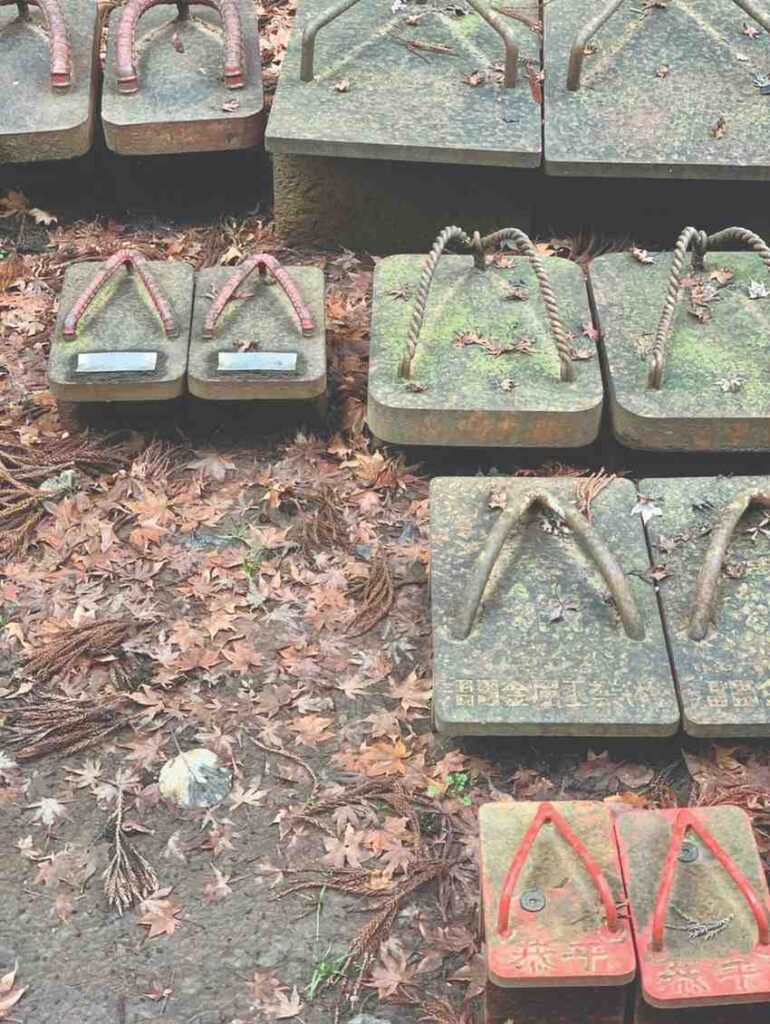 Blame it on the shoes.
We were a little nervous as we approached the old ryokan, but thrilled that a complimentary meal in their restaurant was on the agenda. The local tourism office made us aware of that fact so that we didn’t make other plans, but they’d asked us not to let on, so that our hosts could surprise us. No problem – my time in Japan had me well-versed in feigning mild shock and embarrassment, while also expressing gratitude and delight.
The owner popped out from behind the scenes to greet us and rattled off something in formal Japanese (keigo) that I didn’t fully catch. I glanced at my husband for help, as he’d been working in the government school system and had a different set of language skills to mine. Ever helpful, he quickly whispered his translation.
‘Our host has asked if we like to eat a lot of food.’
I quickly turned towards the proprietor and retorted, ‘Mochiron!’ – yes, of course! I patted my belly and showed off my best smile.
Our hosts looked at me silently, heads tilted like confused poodles. I then boldly added, ‘We are Australian!’ as if that would somehow explain it. We are clearly going to eat more – we are big, cheese-eating gaijin (foreigners).
After a prolonged awkward silence, our hosts’ expressionless faces stuck in freeze mode, I was slowly scolded in a sombre tone. It turned out our translator was Korean, and so was generally more straight-speaking and unafraid to provide direct feedback. She advised me that my response was not appropriate given that the host had just generously offered us lunch in his restaurant. ‘Yeah, of course, we’re Australian’ was not the best reply. I’m pretty sure everyone saw the colour drain from my face as I tried to explain away my faux pas, stressing that I was attempting humour and poking fun at myself.
 Fortunately, they laughed, but from then on referred to me as Ms Mochiron (Ms Of Course). Luckily, mirth prevailed through the tension. At least, I think that’s what happened. It’s also possible they were simply relieved, or attempting to unburden me of my embarrassment and discomfort, which, in hindsight, might have impacted a potential review of their restaurant. It’s not for me to know, but I accept what happened. It was my error, after all – not my first, and it certainly won’t be my last.
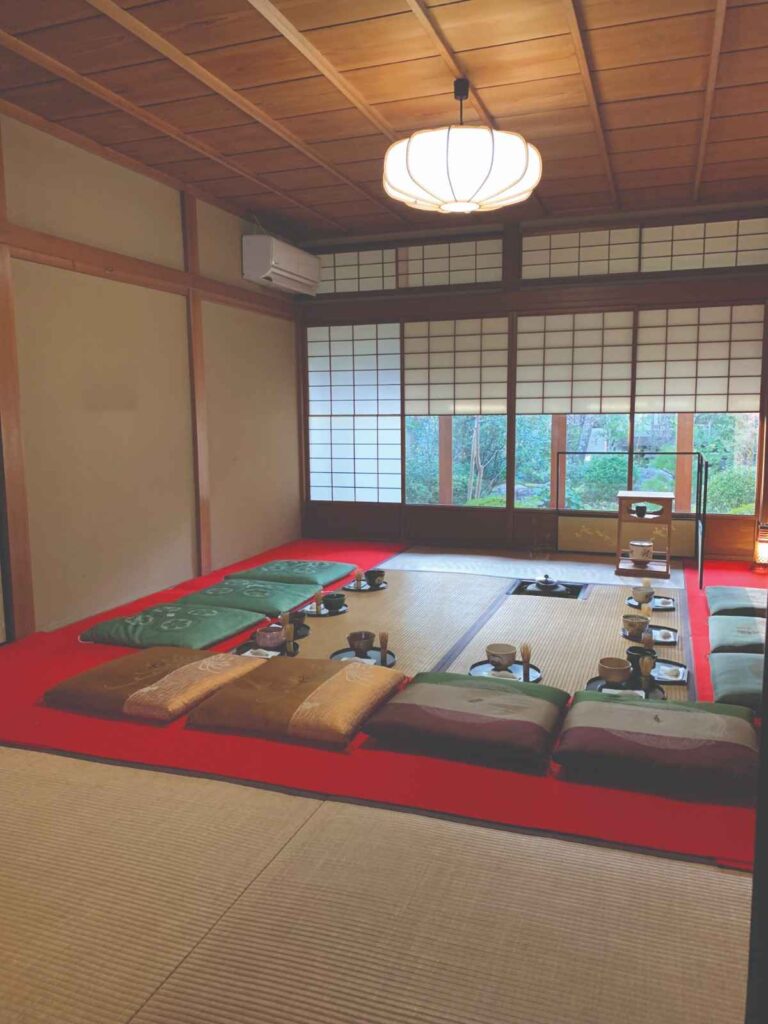
Two decades later, departing from an incredible visit to a geisha house where I’d developed good relationships, one of my poor tour guests urgently ploughed through the genkan (entrance) – in just-replaced shoes – running across the tatami to vomit into the toilet bowl, almost ripping the shoji off in the process. Piercing squeals of ‘Kutsu! Kutsu! Kutsu!’ (SHOES!) from the young maiko (trainee geiko) hung in the air more acridly than the rapidly emerging aroma.
Walking impurities from outside into a home or business where people eat, sleep, work or entertain at floor level is considered abhorrent. Misunderstanding the hand gestures of a helpful co-traveller, who had tried to mime that the matcha they’d served had upset his stomach, the okami-san thought he was drunk! She remained composed, but her eyes were wild, her judgement ice cold.
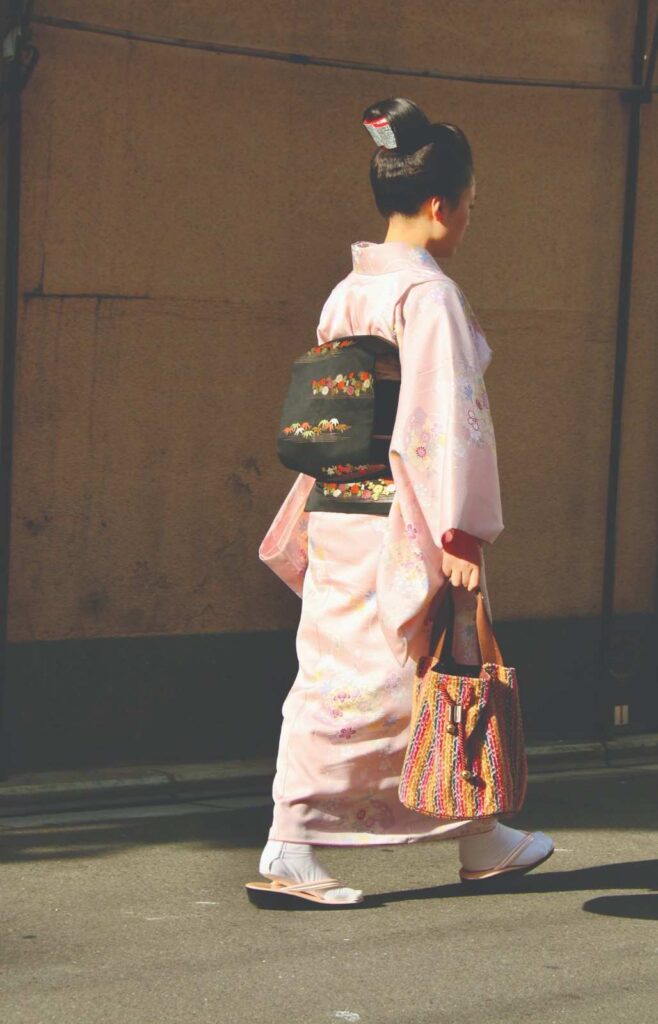 I tried to explain and deeply apologise, while also trying not to make my guest feel even more uncomfortable. Later, I sent a formal letter of apology, followed up by a subsequent attempt to reiterate the apology. Even then, I never received a response, nor have they accepted a booking from me since. The owner may have been incensed or embarrassed, or maybe it was too difficult to express her feelings in English. Maybe it was convenient timing, with her maiko-san soon to debut as a fully fledged geiko (a role more financially beneficial than playing games while being quizzed by curious foreigners). In the end, I had to let it go – which, by the way, is the appropriate action to heed if you repeatedly contact someone in Japan and do not receive a response. Take it as a sign that as one shoji closes, another opens – or just blame it on the shoes.
Even those of us who’ve spent significant time in Japan don’t always get it right, and that’s okay. Often when you’re trying to impress just how much you know, you’ll inadvertently announce yourself as a novice. Unless you are in a formal business situation, it’s really about observing, informing yourself where possible, and giving it a go. Being able to laugh at yourself if you get it wrong – and you will – is crucial. Just be polite and genuine, especially with apologies, and don’t try too hard.
There are rules for almost every situation in Japan, and it would take a lifetime of practice to learn and adhere to them all. If you fall down an etiquette research wormhole, you may well be too daunted to get on a plane. So don’t do that.
ABOUT THE AUTHOR
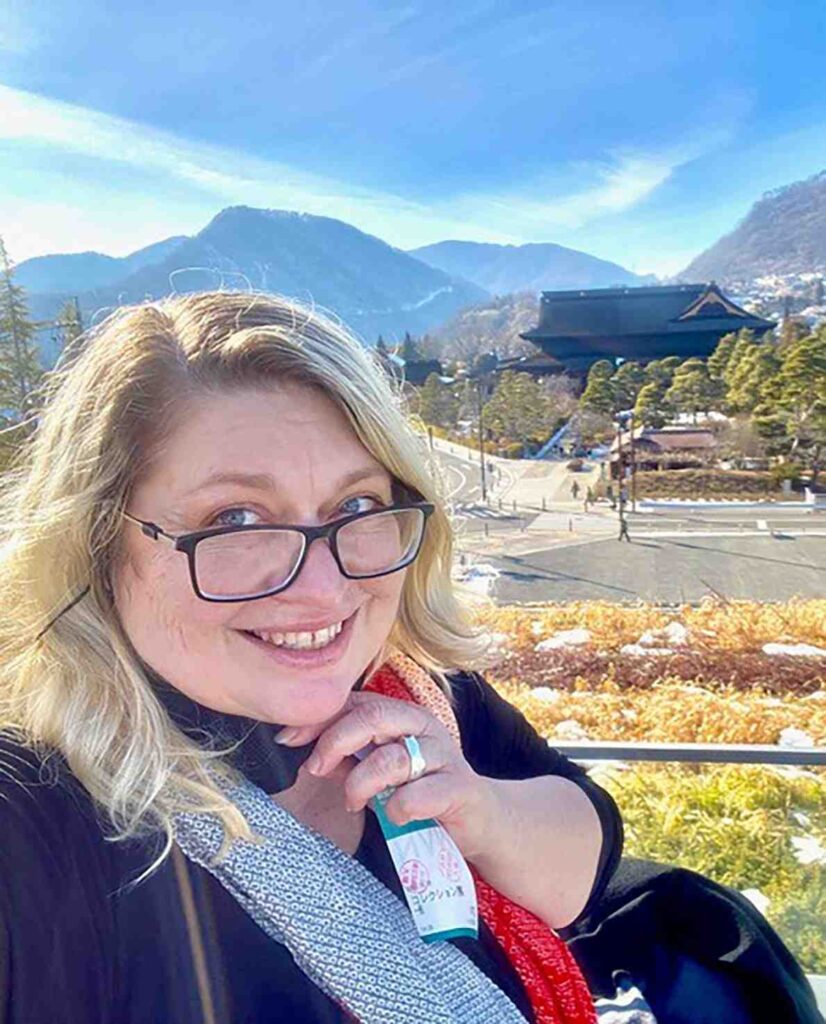 Jane Lawson has explored Japan with rare devotion for more than forty years. A former chef, food publisher and respected food and travel writer, she is known for her deep cultural insight and her instinct for drawing out Japan’s essence from the details of everyday life.
The author of Zenbu Zen, Yoshoku and A Little Taste of Japan, Jane is also the founder of Zenbu Tours, a boutique travel company offering immersive culinary and cultural experiences, and Zenbu Home, an online store celebrating Japan’s handcrafted and timeworn objects.
Follow Jane Lawson on Instagram
Visit the publishers website here


0 Comments