


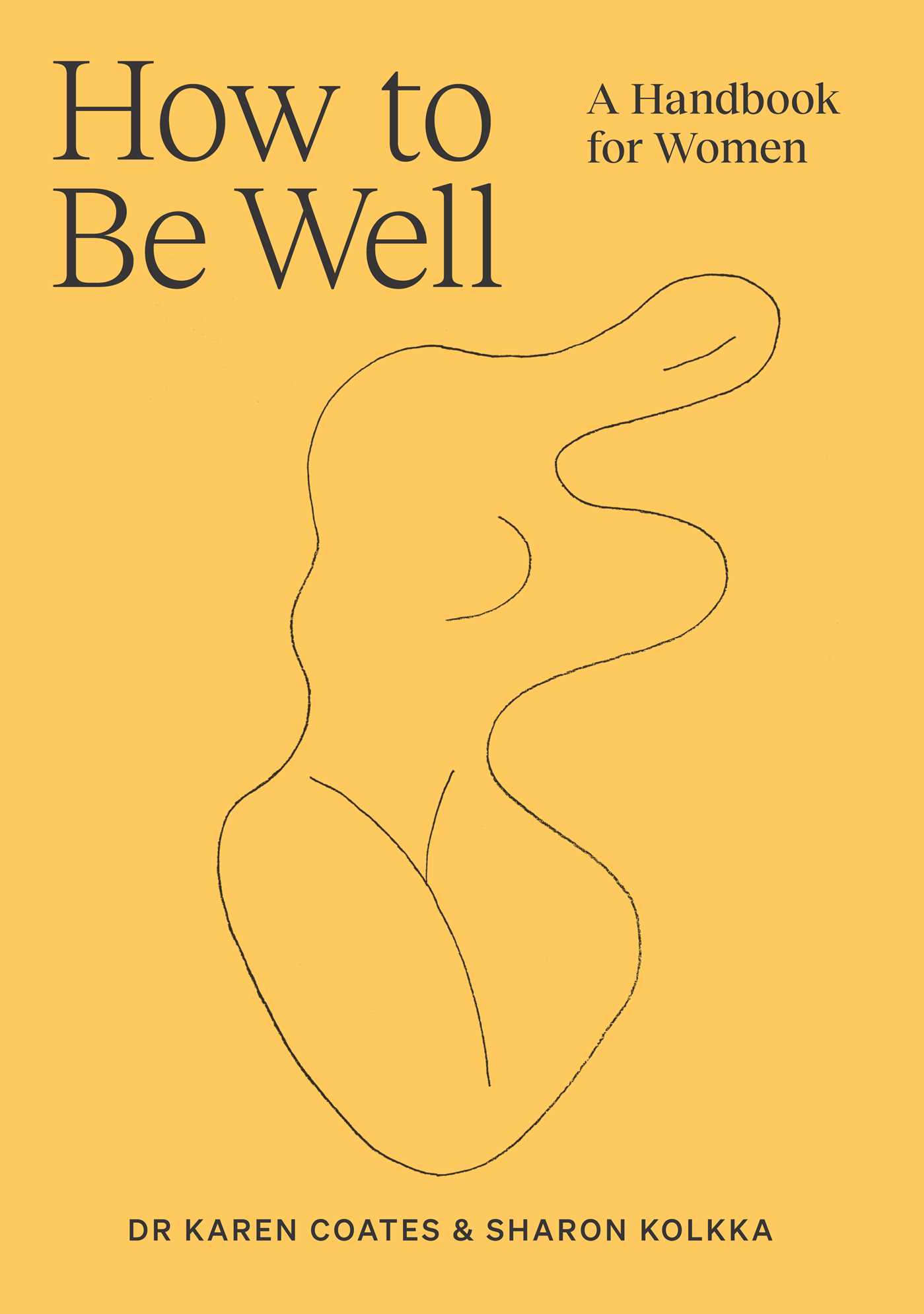
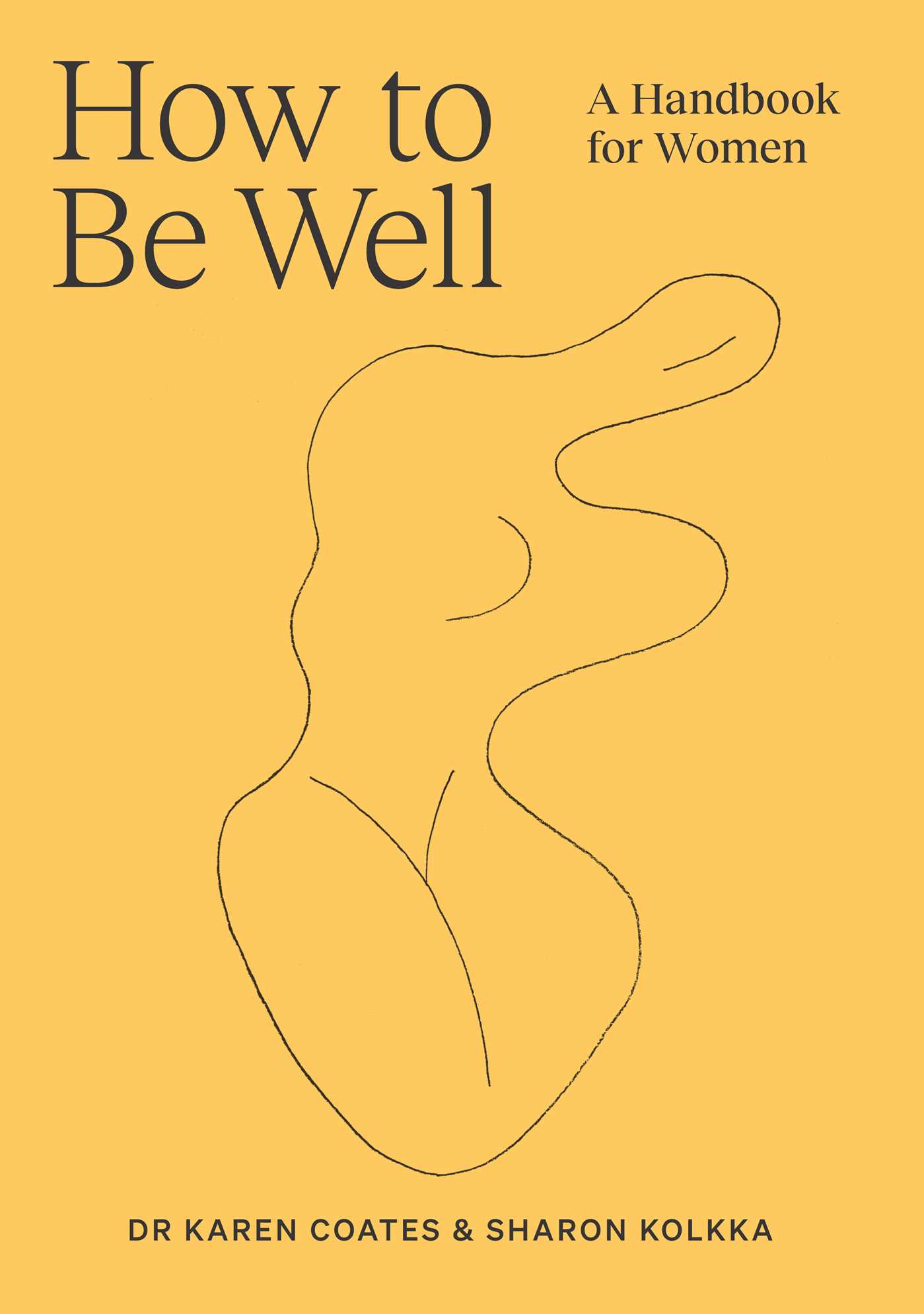
In a personal yet comprehensive handbook, How to Be Well, two of Australia’s leading voices in women’s health and wellness, integrative medicine specialist DR KAREN COATES and renowned wellness advocate SHARON KOLKKA, will help you find your way back to optimal physical, mental and emotional health.
In this extract they tell us why it’s important to get up and be active.
WHY MOVEMENT IS A MUST
There is a staggering amount of research that shows a sedentary lifestyle is detrimental to all of our body systems and leads to a decrease in human health. Our bodies are designed to be active and to move regularly, so we can stimulate muscle, bone density, nerve health and vascular dilation regularly. Whilst cardiovascular fitness is a major contributing factor to our health, what is essential, and if not more important, is our physical function. This means ensuring our muscles, bones and nervous system interact in a way that allows us to perform regular daily tasks, like getting in and out of a car, carrying children, or picking up something from the floor without injury. Having joints that work through a full range of movement without pain will make a difference to our mental and emotional state as well as our ability to stay active in life, within the bounds of individual physical limitations.
The word ‘exercise’ conjures up mental pictures of running, spinning or cycling. You’re not alone if you think these forms of exercise are the Holy Grail. Younger people, and those who are biomechanically sound, can enjoy these activities in moderation. For many though, these activities can increase inflammation in the body, place excessive pressure on joints and increase the long-term stress hormone cortisol. These kinds of activities may be creating problems rather than assisting health. Just like a nutritional diet, the prescription for exercise should be based on an individual’s genetic, physical and biochemical make up and the body’s current State of Being.
WHY RUNNING MAY NOT BE THE HOLY GRAIL
You may have noticed that people who choose marathons and endurance sports as their chosen exercise routine can look older than their chronological age.
If you’ve always run or competed in marathons, we applaud you. However, as you get older you may find that you don’t recover as quickly, or your body may be sending you messages to slow down in the form of joint pain, acute injuries or even a diagnosis of osteoarthritis. It may be that your body is suffering from an increase of inflammation driven by an excessive stress-hormone response. When you run at high intensity for extended periods of time, your body’s interpretation of this activity is that you are in danger. It then produces stress hormones to assist you to run or fight in order to save your life. Whilst you are not in danger when competing in a marathon or running, the ancient pathways will still become activated. And the increase in stress hormones, particularly cortisol, accelerates the ageing process.
Cortisol also inhibits your body’s capacity to burn fat as an energy source. Interestingly, cortisol is a major culprit in fat/weight gain. If the primary goal is to reduce or maintain body fat levels, excessive running and cycling may not be the best or only way to achieve this goal. It depends on the individual.
TO LIFT OR NOT TO LIFT?
Keeping muscle mass high will drive your metabolic rate up. This is how we burn most of our calories. The more muscle you have, the bigger your motor. Think of a four-cylinder car and how much fuel it takes. Now think of a V8 and how much more fuel it needs to drive the same distance. This is just the start of what our muscle mass – the unsung hero – can do for our health. We encourage you to shift your perspective. When you think of the word exercise, consider it a mechanism via which you can grow your muscle mass. This will ensure you maintain joint stability, bone density, nerve function and so much more. Since muscles need a lot of blood flow, when you do a really good muscle workout you also meet the needs of the cardiovascular system. Exercise activities like weight training, Pilates and yoga can get your heart rate up sufficiently when you perform certain movements. It’s a win-win.
Movement and exercise effect two primary things in your body. Primal movement patterns keep your body fully functional, while fine motor skills stimulate your brain. Any movement or exercise that generates these two essential outcomes will guarantee you will develop strength, stability, flexibility, mobility and agility. Performed regularly, it will also ensure you retain these qualities as you age.
PRIMAL MOVEMENTS
Evolution has bestowed innate patterns of movement upon us. Californian clinical exercise specialist Paul Chek identified seven key actions, calling them ‘primal pattern’ movements.
During your childhood, you probably performed them daily; yet for those of us in the Western world, doing these movements become more and more infrequent as you get older. It’s important to reverse this trend, as these patterns of movement are key to ensure you age with fully functioning physicality, allowing you to dance, pick up your grandchildren, and maintain shape and function. Any movement you perform is comprised of one or more of seven primal pattern movements.
These are:
• Squatting e.g. going to the toilet, sitting down
• Lunging e.g. stepping onto the bus
• Bending e.g. picking something up from the floor
• Twisting e.g. looking behind you
• Pushing e.g. closing the car boot
• Pulling e.g. opening a door
• The gait cycle e.g. any motion where you transfer weight from one foot to the next, such as walking, jogging and sprinting.
Humans have been reliant on these actions for their very survival throughout history. As Palaeolithic hunter-gatherers, we performed these actions for hours and hours, every single day. In those times, if we were unable to perform these movements we simply couldn’t survive. The homo-sapien design of our bodies hasn’t changed, so these actions are equally important in today’s world, regardless of how different our lives may be. Exercise such as yoga, Pilates and functional movement classes consist entirely of primal pattern movements and give exceptional benefits when practised regularly and safely.
FINE MOTOR SKILLS AND OUR BRAIN
There is a growing body of evidence reinforcing the need to maintain and improve fine motor skills throughout our life, as they support – and may improve – mental function. The areas of your brain that are related to movement and coordination need stimulation in order to optimally perform mental challenges and problem-solving. Activities that involve balancing and coordination also reduce the potential for mental deterioration and neurological disorders as you mature. Try juggling or balancing on a wobble board or do some of your daily activities with your non-dominant hand (try using your computer mouse, brushing your teeth or hair, stirring pots, or writing with the hand you don’t usually use) to challenge these capacities. The benefits are greater mental acuity, focus and powers of concentration, so don’t give up too easily!
When you challenge yourself, either physically (by learning how to perform a new movement, for instance) or mentally (learning a new language or musical instrument), fresh neurons and synapses are created in your brain. These adaptations are made possible by the brain’s plastic and mutable nature, often referred to as its neuroplasticity.
The fun we all had playing games in the schoolyard, playground, park, backyard and on the beach as children, before the age of technology, taught your body to catch, throw, react, reflex and balance. Games like hopscotch, sevens (throwing a ball against a wall in different ways), handball, elastics, Simon says, British bulldogs and French cricket all helped your development in various ways. Reproducing some of these games, particularly as you get older, stimulates the brain in a positive way. Next time you’re out with your children or grandchildren, introduce them to these games if they don’t know them. Don’t just sit and watch them play – join in, and you will all benefit.
MOVING OUR BODIES
Many people under-exercise, many people over-exercise, but most people simply ‘under-move’. There are few people who have hit that sweet spot and get the balance right.
ARE YOU AN ‘UNDER-MOVER?
The under-moving group includes a lot of over-exercisers. Yes, you heard right; those over-exercising addicts generally don’t move enough. How could that be, you ask? Think about it. They go flat out when it’s ‘exercise time’, but for the rest of the day they don’t feel the need to move because they believe they’ve fulfilled their exercise quota. They may be virtually inert for the rest of the day. Research is emerging that shows regular movement all day is more beneficial than cramming a lot of movement into one little chunk.
Performing thousands of small movements throughout the day is what’s most beneficial for our health.
The story of exercising and moving is therefore a two-part tale – that of moving and that of exercising. They sound one and the same, but they are really quite distinct.
This makes moving fundamental to our nature and exercising circumstantial. Moving is what we must do regularly and abundantly, whilst exercising is what we should do regularly, but not to excess.
ABOUT THE AUTHOR
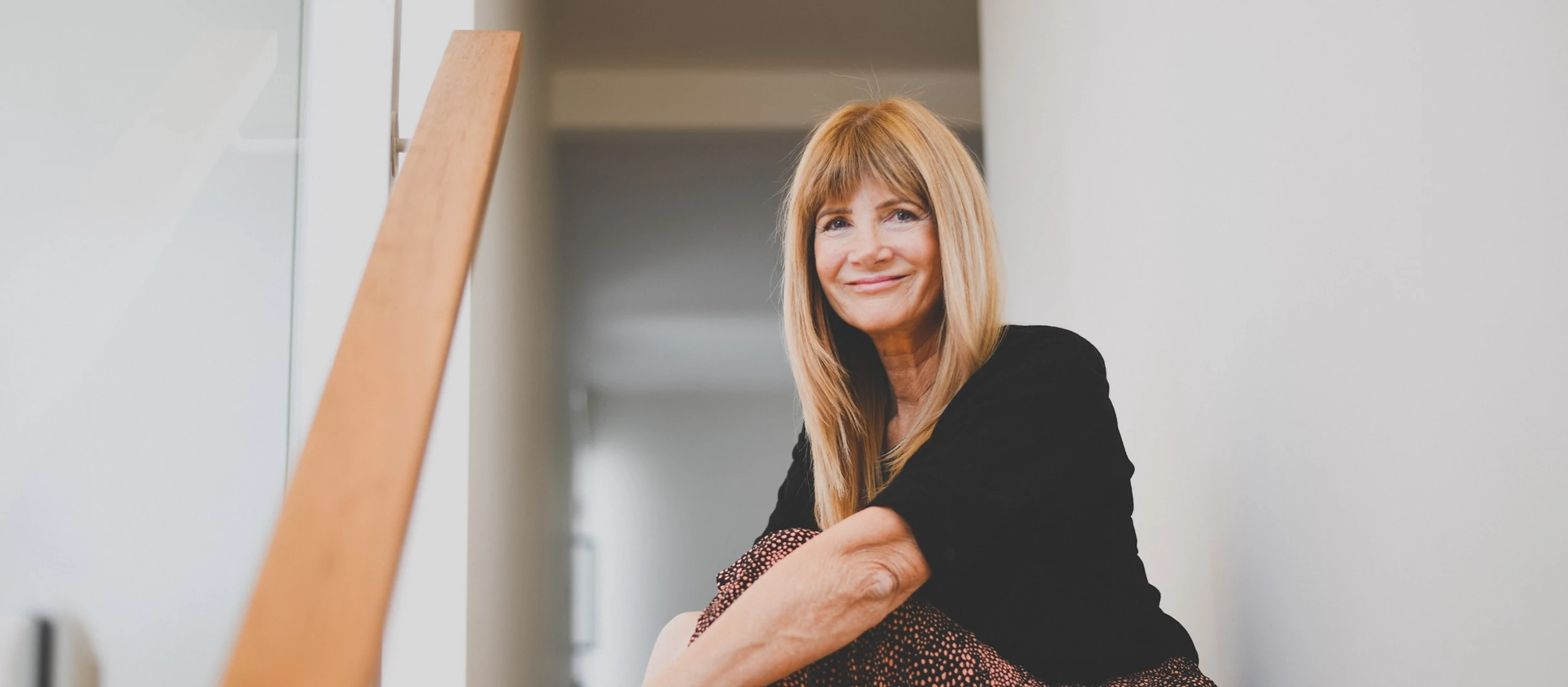
An expert on women’s health, Dr Karen lectures internationally on nutrition and health issues, as well as hosting seminars at Australia’s leading health retreat and World’s Best Eco Spa, Gwinganna.
Over the course of her 30-year career Dr Karen has worked as a medical doctor and herbalist and released her second book in April 2022: ‘How to Be Well: A Handbook for Women’.
Dr Karen has degrees in medicine and surgery and postgraduate qualifications in nutrigenomics, obstetrics, and nutritional and environment medicine.
She is passionate about her work with clients in the areas of fertility, hormones, optimal wellness and weight loss and has made it her ‘mission’ to help women take control of their health and achieve their wellness and fertility goals.
When she’s not deep in research, helping clients or writing, Dr Karen can be found planning her next European adventure, in her garden with the family dog Dexter…or just enjoying some Vitamin D on the back deck with a little dark chocolate and a good book.
Visit Dr Karen Coates’ website

0 Comments