



The US is currently experiencing an unprecedented wave of book banning across their public school system. AKINA HANSEN delves into the crisis that’s unfolding.
Over the course of history, books have been banned for various draconian reasons ranging from religious persecution (the burning of protestant texts in Tudor England) to being deemed ‘obscene’ ( James Joyce’s Ulysses in the early 20th century).
Here in Australia, censorship was rife during the 20th century with the likes of Brave New World by Aldous Huxley, Memoirs of a Woman of Pleasure by Fanny Hill, and thousands more being banned on account of ‘obscenity’, ‘blasphemy’ and ‘violence’.
In fact, up until the early 1970s, Australia was considered one of the top censors in the English-speaking world. According to literary historian Nicole Moore from the University of NSW, ‘We were often compared to Catholic Ireland and apartheid South Africa, both of which had strong religious and ideological reasons behind their censorship, but we banned some books they didn’t ban.’
This level of censorship was partly due to seizure legislation that allowed customs officials to go through people’s belongings to confiscate books and in turn potentially prosecute them. Thankfully, in 1972, when Gough Whitlam was elected Prime Minister, this regime of censorship ended and since then we’ve managed to evade any further suppressive measures.
Unfortunately, this is not the case for many countries across the globe, even democratic countries that espouse the right of free speech, such as the US.
Over the last few months, we’ve seen an increase in reporting about the rampant book banning crisis occurring across America. Now, this recent phenomenon is not new to the US – as state and local authorities have power over public education and therefore dictate what’s in the school curriculum – but in the wake of the Trump administration, America has seen a rise in right-wing ideology. This has ranged from an increase in white supremacist groups, the passing of right-wing legislation (‘Don’t Say Gay’ bill), attacks on women’s reproductive rights and finally, book censorship.
It’s not surprising then, that this has fuelled book banning to an unprecedented level. In the last nine months more than 1500 book bans have been introduced in US school districts, and it’s not just the rate at which books are currently being banned that has activists and educators so concerned, but also the targeting of books that focus on race and LGBTQ+ issues, and how these book challenges are failing to follow best practice.
PEN America is a non-profit organisation that seeks to protect freedom of expression in the US, and they have long shown concern about the ongoing banning of books in the public school system. On their website, PEN America defines a school book ban as ‘any action taken against a book based on its content and as a result of parent or community challenges, administrative decisions, or in response to direct or threatened action by lawmakers or other governmental officials, that leads to a previously accessible book being either completely removed from availability to students, or where access to a book is restricted or diminished.’
In 2016 the organisation published a report describing the rise in ‘soft censorship’ because of parents challenging books. In the same report they identified how a disproportionate number of those books were about minority groups, such as people of colour, LGBTQ+ community, and persons with disabilities.
They have since raised concerns about the recent wave of book bans and in response have collated an Index of School Book Bans dating from 1 July 2021 to 31 March 2022, with a total of 1566 bans listed to highlight this alarming trend.
According to their Index, the bans listed have impacted 1145 unique book titles. The following are the most banned books, each dealing with topics surrounding LGBTQ+, sexuality, race, and gender: Gender Queer: A Memoir by Maia Kobabe (30 districts), All Boys Aren’t Blue by George M Johnson (21 districts), Lawn Boy by Jonathan Evison (16 districts), Out of Darkness by Ashley Hope Pérez (16 districts), The Bluest Eye by Toni Morrison (12 districts), Beyond Magenta: Transgender teens speak out by Susan Kuklin (11 districts).
Additionally, they reported that of the 1566 bans listed in the Index, 98 per cent of these books departed from best practice guidelines outlined by the National Coalition Against Censorship (NCAC) and the American Library Association (ALA). Typically, challenges to library books and classroom materials are filed at school level and then, if a decision is appealed, at the district level (books are to remain in circulation during appeals until a final decision is made). Recently this has not been the case, with 41 per cent of the bans listed in the Index being challenged or removed at the demand of state officials or elected lawmakers.
According to the American Library Association they haven’t seen books challenged like this in decades, describing this wave as ‘unprecedented’. This word is particularly relevant when we consider some of the extreme measures state legislators are taking – from introducing and sometimes passing education ‘gag orders’ to proposals to monitor teachers. Even more disturbingly, in some cases, politicians have proposed criminal prosecution against librarians who choose to keep challenged books in circulation.
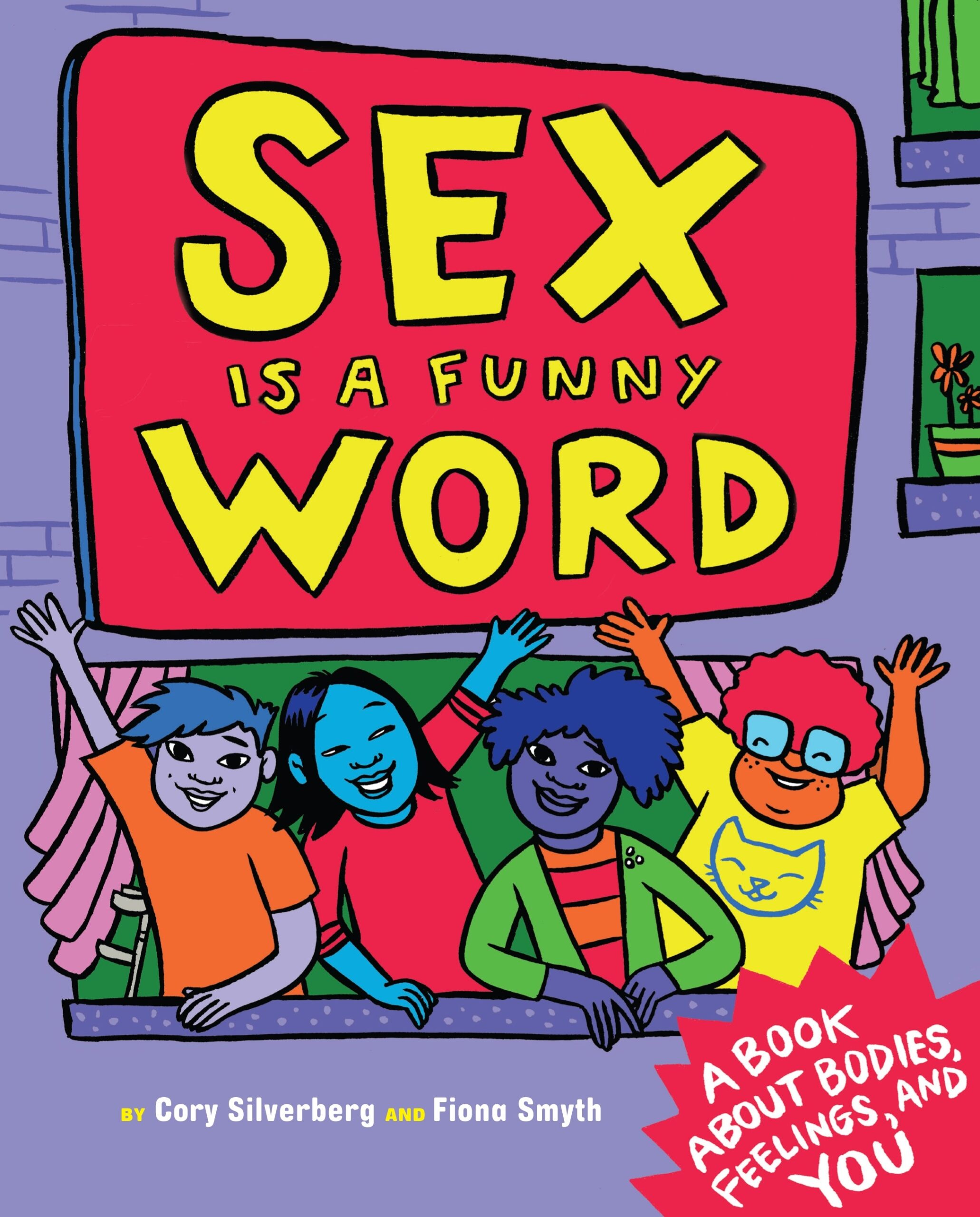
Across the US, we’re seeing an increasing intolerance towards books that deal with subjects surrounding sexuality and gender. In Wyoming, a county prosecutor’s office proposed charging librarians for stocking books like Sex Is a Funny Word and This Book Is Gay. In Oklahoma, a bill was introduced in the State Senate that would prevent libraries in public schools from having books that discuss sexual activity, sexual identity or gender identity. Even books that look at historically significant events are being targeted. The McMinn County Board of Education in Tennessee recently voted to remove the Pulitzer-winning graphic novel Maus, which covers the Holocaust, from the district’s curriculum due to ‘nudity’ and ‘curse words’ (despite only having eight swear words). We also see evidence of politicians failing to follow best practice. In Texas in October 2021, Republican State Representative Matt Krause sent a list of 850 books to Texas school districts, requesting they provide a report of which books in his list they had in their libraries. Controversially, 97 of the first 100 books in his list were written by people of colour, women and LGBTQ+ authors.
Finally, in Polk County, Florida, a school went against best practice guidelines by removing 16 books that were still under review. These included Khaled Hosseini’s acclaimed novel The Kite Runner and Beloved by Toni Morrison.
It appears that across America, parents, activists, school board officials and lawmakers are mobilising, particularly through social media, to encourage statehouses and law makers to challenge books.
Social media has enabled groups such as ‘Moms for Liberty’, ‘No Left Turn in Education’, and ‘Parents Defending Education’ to collate and share lists of books they deem ‘radical’, ‘racist’ and ‘dangerous’ on Facebook (such as Margaret Atwood’s The Handmaid’s Tale, White Fragility by Robin Diangelo, and The Black Friend by Frederick Joseph).
It’s important to note that books that are currently in circulation in school classrooms and libraries are part of a curriculum that was specifically curated by educators and librarians. Despite this, school boards, parents and politicians continue to try and challenge these decisions.
The censorship of literature is fundamentally about undermining democracy and is almost always fuelled by conservative groups, leaders and politicians who want to subjugate political and social ideologies that don’t align with their own, through fear and intimidation.
Yet, despite their ongoing efforts to challenge books that are predominantly about or written by minority groups, a majority of people across the US oppose book bans. People are acutely aware of the importance of intellectual freedom and how books play a pivotal role in helping young people understand themselves and the world around them.
From the forming of a coalition to participating in ‘banned book clubs’ – efforts to fight censorship are just beginning.
0 Comments