




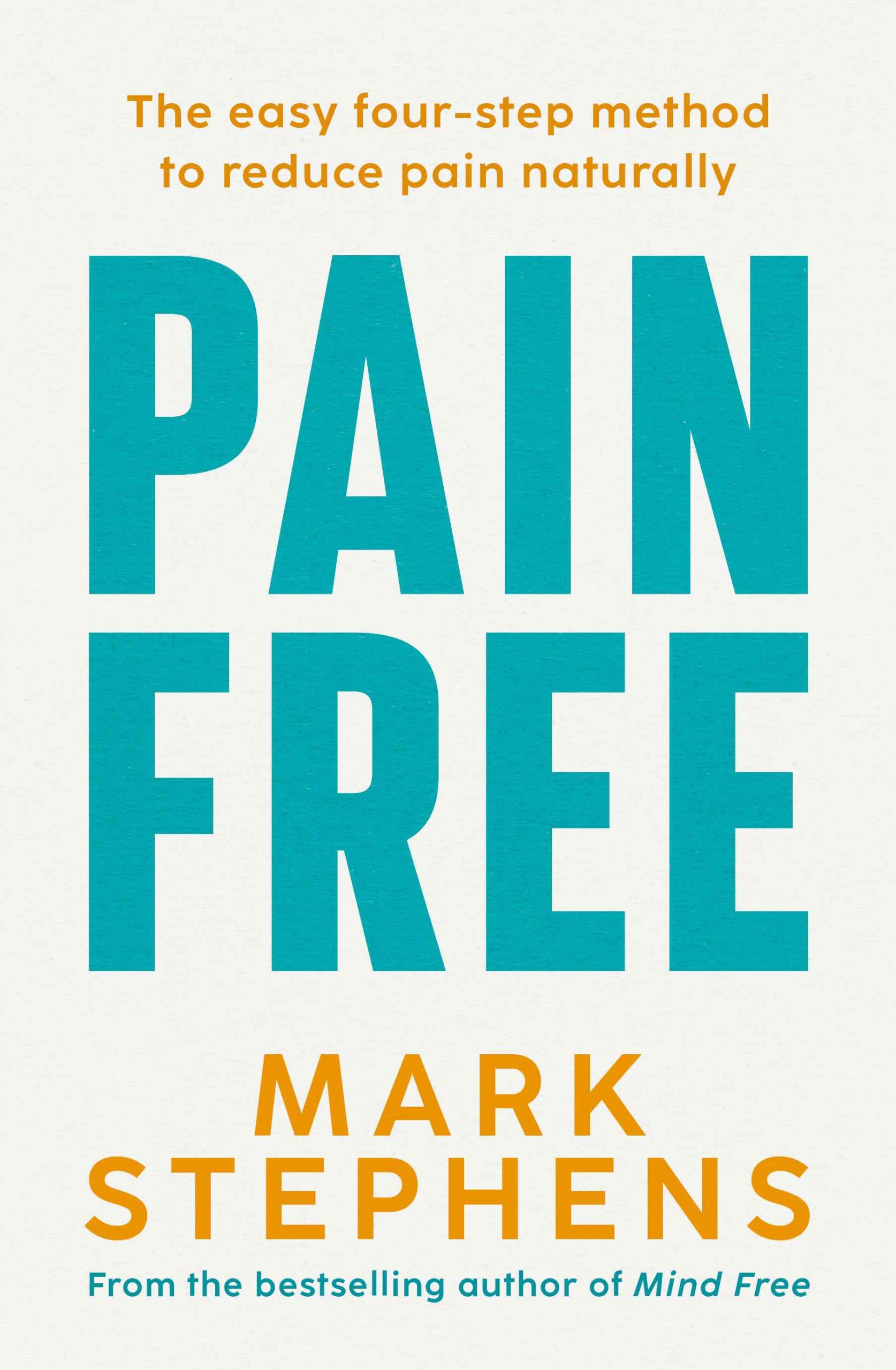
Chronic pain affects one in five adults, impacting mental health and overall quality of life. Despite trying various methods for relief, many people continue to live with pain every day.
There is hope – a solution that lies within the power of your mind. Research has shown we can flip the pain switch off and tap into a wonderful DOSE of Happy Healing Hormones.
Mark Stephens, often called the Hypnotic Healer, developed the techniques in Pain Free: The easy four-step method to reduce pain naturally over the past three decades while helping thousands of individuals suffering from pain – and he can help you too.
In this extract we focus on the importance of breathing.
STEP ONE
Breathe
On average, a person takes 16 to 18 breaths per minute. That means we take up to 24,000 breaths daily, or roughly 788 million throughout our lifetime if we live to 90 years old. Breathing can func- tion as a form of meditation without requiring specialised equipment or extended lengths of time, meaning you have numerous opportunities daily to reap the benefits of breathwork.
How to breathe
Breathing is our most crucial function, with the nose serving as a filter and alerting us to unsafe air. Mouth breathing is unnatural, like a fish gasping out of water. Our mouths are for eating, drinking and speaking. While we breathe through the mouth when speaking or singing, it’s essential to breathe through the nose at other times consciously.
When practising conscious breathing, focus on inhaling naturally through the nose, which is crucial for absorbing fresh oxygen or chi (energy). Next time you’re at the beach or in a garden or park after rain, take a deep breath through your nose to feel the invigorating effect. Compare this with breathing through your mouth to notice the difference. In natural environments where chi is plentiful, we instinctively take deep breaths through our nose.
Shallow chest breathing only fills a sixth to a third of your lung capacity. Allowing the lower abdomen to expand as you inhale draws the diaphragm down, letting more air fill the lungs from the bottom up, like liquid filling a bottle.
You don’t need a specific time for abdominal breathing; integrate it into your daily activities like walking, sitting, talking, and playing sports. Feel your abdomen rise and fall with each breath, keeping your chest and shoulders relaxed. It may be hard at first to keep the chest and shoulders still, but with practice, it gets easier, and the benefits are substantial. Keep everything from the navel up relaxed, focusing on the lower abdomen, and let your shoulders stay comfortable during your breathing exercises unless otherwise instructed.
**********
Guided calm breathing
Calm breath 1 – Single breath meditation
Over the years, I’ve been fortunate enough to learn from several excellent tai chi masters, yogic breathwork experts and teachers of Tibetan meditation methods. Something they’ve never spoken about, but I observed on numerous occasions, was that they would stop mid-conversation or while teaching and take one slow, deep breath. It was apparent they were meditating. A single slow breath is enough to interrupt stress, help you refocus and bring you to the present moment. The best part of this meditation is you can do it anytime, anywhere and it only takes a few seconds.
Step one: Inhale slowly through your nose, focusing on the breath entering your body. You may like to focus on the feeling of the air, your body movement, or the sound of your breath.
Step two: Allow the breath to fall slowly out of your body as you tune into the feeling of the air, your body movement, or the sound of your breath.

Calm breath 2 – Watching your breath
You can always transform the act of breathing into meditation. As you relax into the moment, pay attention to the feeling of your body moving as you inhale and exhale. Give complete attention to your breath as you dismiss all thoughts and emotions. Remember, your breath is always with you.
Step one: Find a comfortable place to sit or lie down.
Step two: Focus on your breath as it flows in and out of your body. Notice the feeling of your abdomen rising and falling with each breath. You might also like to feel the air passing your nose in and out of your body. Simply be mindful of your breath.
Step three: If anything distracts you, let the distraction go and bring your attention back to your breathing.
Step four: You may like to count each breath up from 1 to 10 or down from 10 to zero for a total of 10 of 11 breaths.
Calm breath 3 – Even breathing
Even breathing is a great way to reduce stress and calm your mind. You can practise this breathing meditation while walking, sitting or lying down. The idea is to create a calm, even breath. During this meditation, you may like to close your eyes. If seated, you could imagine your head is like a helium-filled balloon floating up and your neck is the string.
Step one: Slowly inhale for a count of 3, then exhale for 3. Feel the rhythm of your breath as it flows in and out.
Step two: When it is easy to count to 3, gradually increase the time you breathe in and out to a count of 4 or 5.
Repeat for 1- breaths for a relaxing one-minute meditation.
Calm breath 4 – Heart breathing
Heart breathing allows you to feel peaceful as you imagine a healing light surrounding and filling your heart. As you read the script, let the words float off the page into your mind and heart.
Step one: Find a comfortable place to sit back or lie down as you feel your body completely relaxing. Let any stress, tension or worries drift away with every breath. For the next little while, focus only on your breath. As you breathe in, imagine or feel a beautiful healing light flow through your nose, into your lungs, and surrounding your heart.
Step two: With each breath, you feel and imagine the light flowing through every cell of your lungs and wrapping your heart up like a blanket of love. Gently increase the depth of each breath, allowing more energy to radiate into this area.
Step three: Close your eyes briefly and take three slow, deep breaths as you feel this blanket of love healing your heart.
Step four: Each time you exhale, direct the healing energy to radiate from your heart across your chest, up into your neck, over your shoulders, up into your head, down your arms, around your back, over your abdomen, and down through your legs.
Step five: As you inhale, you fill your heart and lungs with light, and as you exhale, you radiate into every part of your body and mind. You might even feel the universe breathing into every part of you.
Step six: Take three slow, deep breaths to fill your heart and lungs. Each time you exhale, the light penetrates every cell of your being.
Take this feeling of positive energy throughout the day, and as you meet people, allow this light to flow from your eyes into their eyes as you think, I love you.
Calm breath 5 – Peace Release
Step one: Relax your body as you think about the mantra, Peace Release. Inhale slowly and think about the first half of the mantra, Peace, then exhale slowly while thinking about the second half, Release.
Step two: As you slowly inhale, imagine, think about or feel the word, Peace flowing through you. As you exhale, think and feel the word, Release. Inhale Peace, exhale Release. Inhale Peace, exhale Release.
Step three: As you continue to breathe in and out while repeating the affirmation Peace Release, imagine those words floating on your breath to the back of your mind and then breathe them into your heart and every part of your body. Let the words flow with your breath.
Breathing in: Peace
Breathing out: Release
Breathing in: Peace
Breathing out: Release
Breathing in: Peace
Breathing out: Release
Note: Breathe the Peace Release meditation into any part of your mind or body that needs healing.



0 Comments