



I recently listened to a talkback radio program with author Sophie Scott on her e-book, Beat High Functioning Anxiety. It was about those of us who outwardly appear as if everything is under control. Happy, life is great! But scratch the surface and they’re exposed
as really very good actors, suffering silently on the inside with terrible anxiety.
There are many types of anxiety: generalised, panic disorder, specific phobias, separation, and even selective mutism, which is where people can’t speak in certain situations. Anxiety is a hardship that you carry round. It’s like a big boulder you drag around behind wherever you go. Sufferers spend much of their time trying to keep a lid on it, pretending to the outside world that it’s not there. What boulder?
Once upon a time anxiety was a subject that was firmly shoved under the carpet. To admit it was to admit to a failing as a human being. Over time we began to shine a light on this issue and more and more people began to discuss it openly, or to seek help, and the stigma that surrounded it has now become much less significant.
I suppose we all suffer from anxiety in some form, from funny tummy nerves before an interview, to the feeling of dread as you take to the stage for public speaking, to full-blown terror and the inability to function of severe anxiety. No matter what, there is help out there and reading books is a very good place to start.
Books are not only a good starting point because they contain great information that can help you understand anxiety and go some way to dealing with it. But also, because you can take in the information at your own pace, process it, return to it, just sit with it and learn from it.
Sometimes we need time to come to terms with our anxious inner voice. Reading can provide that space to understand what is going on and give you the confidence to instigate seeking help or even provide enough answers or light-bulb moments to enable you to move through on your own.
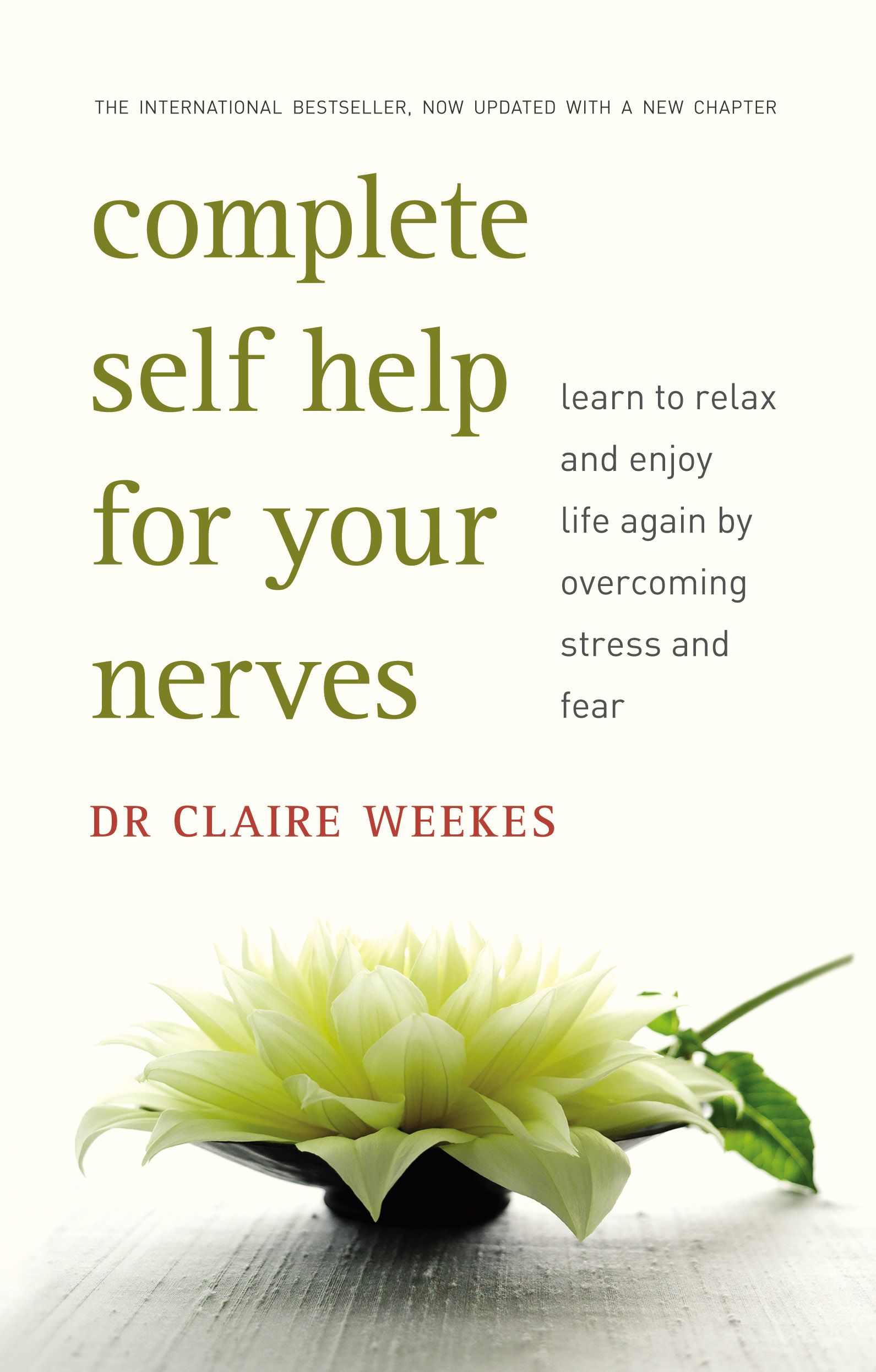 I remember Claire Weekes’ book, Self Help for Your Nerves. It’s a book a member of my family used to help them heal from a nervous breakdown. This book was written way back in 1962. Although initially much maligned by mental health professionals of the day it would quickly transform the way anxiety was treated by therapists and helped many, many millions of people who had been silently suffering.
‘Psychologists use her method, neuroscientists study the interaction between different fear circuits in the brain, and many psychiatrists are revisiting the mind-body connection that was the hallmark of her unique work. Face, accept, float, let time pass: hers was the invisible hand that rewrote the therapeutic manual.’
‘Face, accept, float, let time pass’. What a simple thing to say. Harder to put into practice, I know, but it works.
What a wonderous, life-giving book this was and still is. Finally, everyone who experienced anxiety had access to practical help in the form of a book that would literally change their life. This book helped them understand what was happening to them and how they could help themselves.
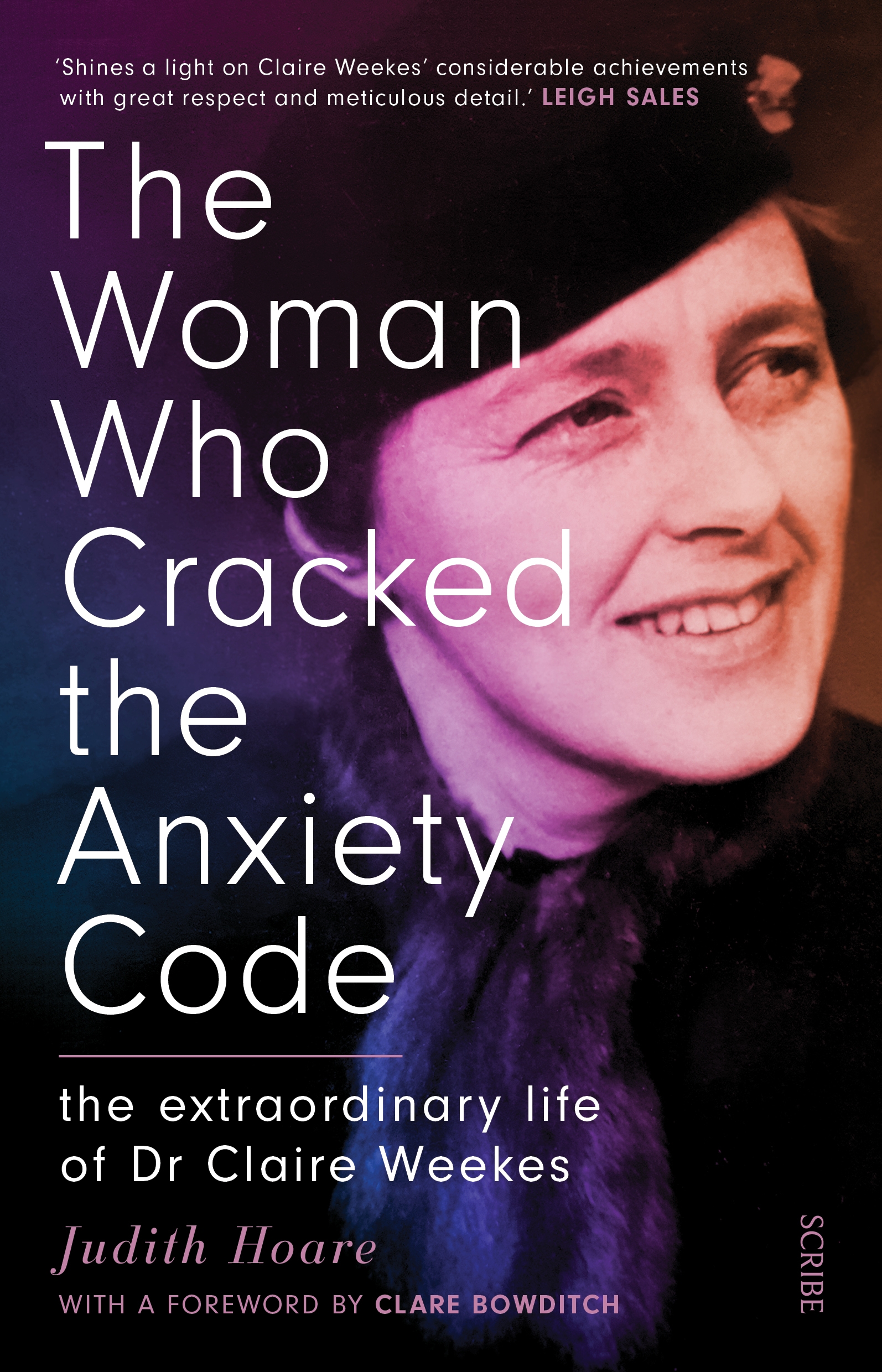 You can read about this most clever, forward-thinking woman in her highly recommended autobiography The Woman Who Cracked the Anxiety Code: The extraordinary life of Dr Claire Weekes by Judith Hoare.
Fear. That’s what a lot of this is about. Fear can change the way your body functions without you even realising it. It’s a necessary response, of course. If a big dinosaur were to come stomping your way, fear is a good thing. It would make you run. Run very fast indeed! Letting it take control in daily life, though, is not a good feeling.
If you suffer from anxiety, well, you’re not alone. It’s purported around five per cent of Australians suffer from an anxiety disorder. I would think it’s even more, as so many of us don’t seek professional help. Just like our ‘high functioners’ I mentioned at the start. We are all terrific actors and deserve Oscars I think.
If you suffer from anxiety, then there are now many books out there for you. I have included here just a few to help you begin to explore. Books can start you on a journey of understanding that can help you cope. Why breathing is important, or meditating. Why listening to what you are telling yourself is important. How to recognise ruminating and getting tools to help you live a better life.
It’s all out there in between those pages. Don’t wait. Pretend a dinosaur is chasing you and visit your bookshop or library now. •

0 Comments