




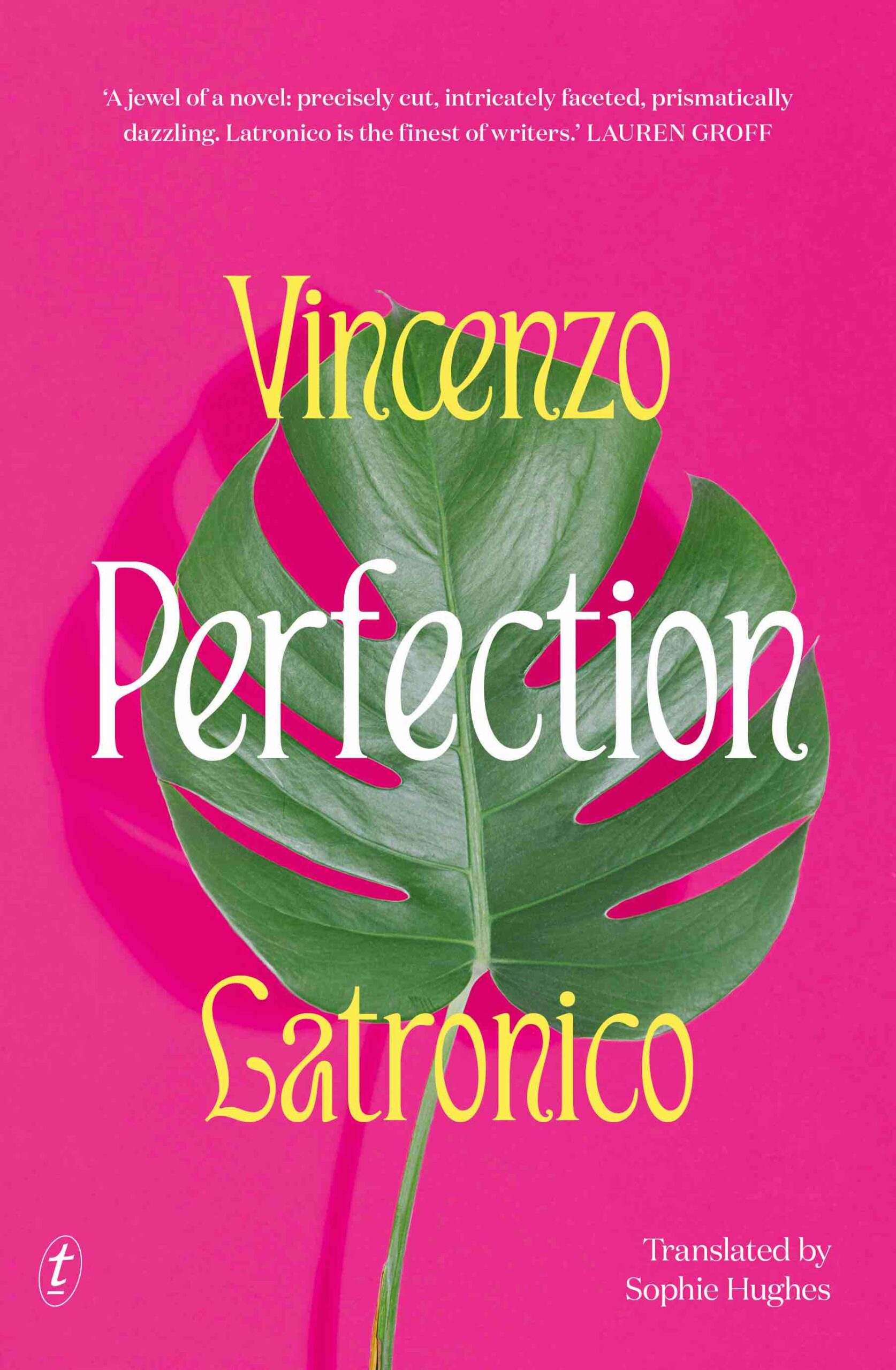
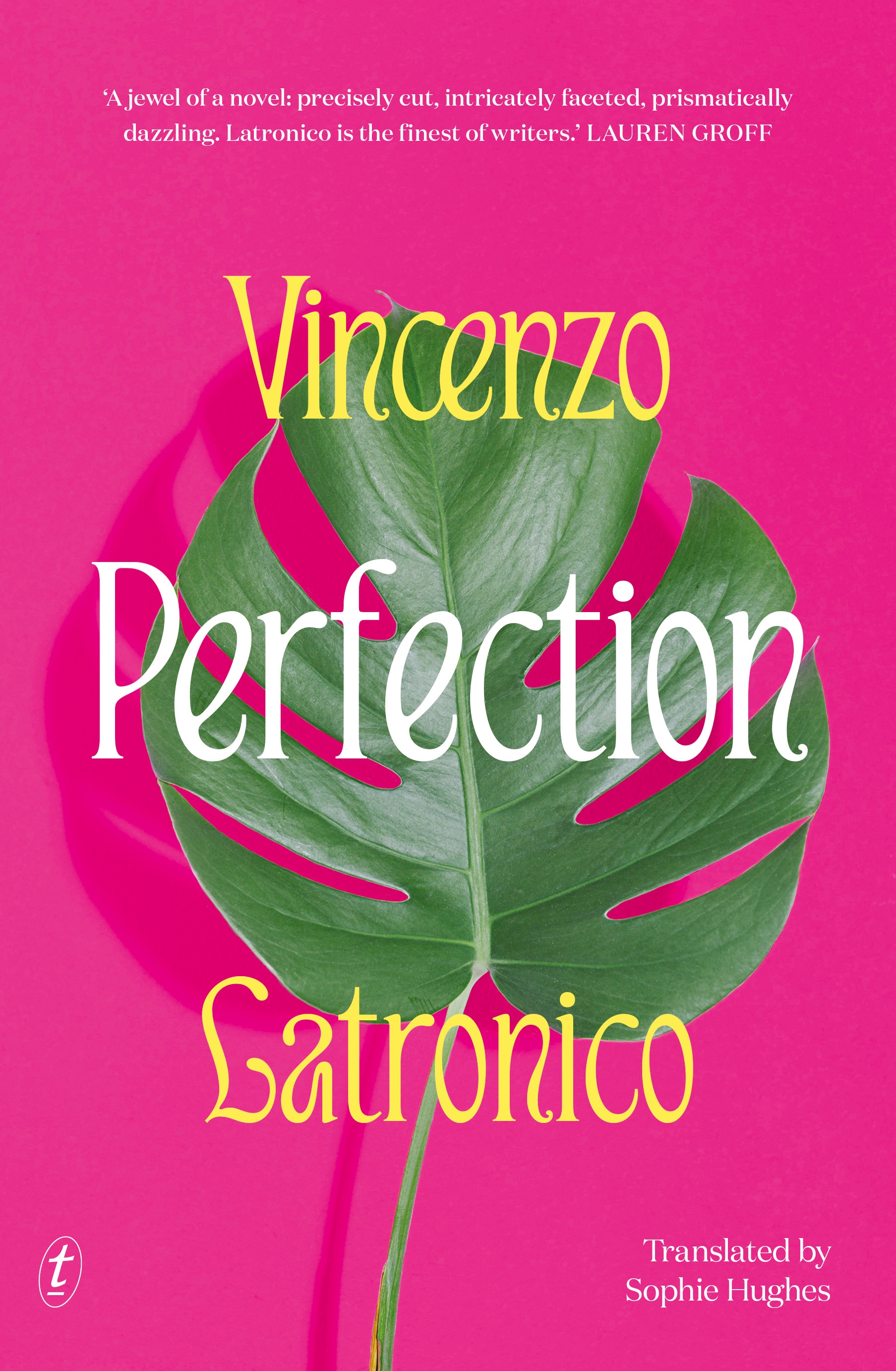
Vincenzo Latronico’s latest novel. Perfection, is about a millennial couple’s quest for authenticity in a life designed according to social media trends.
Read on for an extract …
ABOUT THE BOOK
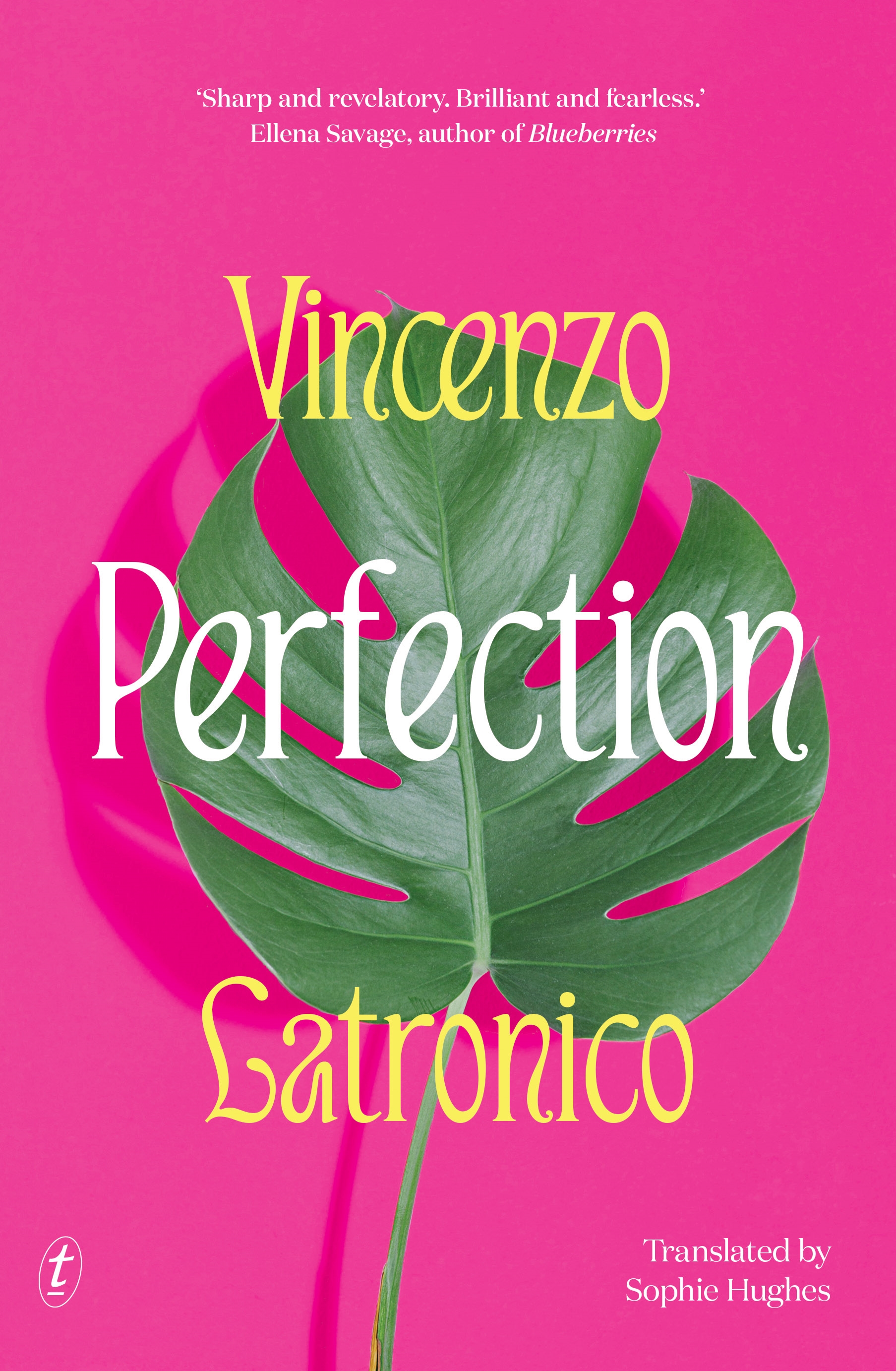 They have everything to make them happy. Expat couple Anna and Tom are living the dream in Berlin, in a bright, plant-filled apartment. Young, cool digital creatives, they enjoy slow cooking, Danish furniture, progressive politics, sexual experimentation and the city’s twenty-four-hour party scene.
It’s exactly the life they had imagined for themselves. But they begin to feel disillusioned, bored. Work becomes repetitive. Friends move away, have children, grow up. An attempt at political activism proves fruitless, since their direct action amounts to taking an Uber only if it is snowing, tipping in cash, never eating tuna.
Trapped in a lifestyle optimised for digital perfection, yearning for authenticity, they find themselves doing something they could never have predicted.
Read on for an extract …
**********
IMPERFECT
Reality didn’t always live up to the pictures.
In the mornings it often would. Waking up, the sight of filtered light dancing on the walls would instantly put them in a good mood. Yesterday’s clothes would be strewn over the clothes stands. Their phones, having charged overnight, would be glaring rectangles on the dusty covers of two open books with their spines facing up. They would check their emails and social media from bed, their faces blue from the backlit screens, looking like a young professional couple in Berlin, which is exactly what they were.
But the moment they set foot in the living room, that confidence would start to falter, like a previously clear voice on a phone losing signal.
The plants would be permanently caked in a thick layer of dust, which polish only seemed to attract more quickly. Streams of direct sunlight would fall on the floating dust motes, giving the impression the apartment had been shut up for years, but in winter it would be too cold to air it out because the windows were old and the radiators too small to keep the space heated. Only rarely did they muster the patience and resolve to clean the double-paned windows, which were covered in tiny constellations of milky smudges that would appear brighter as spring turned to summer.
Desk-sharing didn’t suit them. He preferred working from the sofa, and her mugs, Post-Its and pens had a habit of migrating to his side of the desk, where, to save time, they would also often eat lunch, leaving greasy stains on the white melamine. The dishwasher was too big for two people’s dishes so they had bought a plastic dish rack which took up most of the worktop. An old towel had been placed underneath it to protect the wood from even more water damage.
And then there were the things. Things absolutely everywhere: the chargers, the receipts, the bicycle pump, and the endless stream of forms and reminders that constituted German bureaucracy; the herpes cream, the tissues – fresh packs, used or scraps that had been through the wash – the felt wool insoles, the sunglasses case, the odd glove they still hoped to match with its pair, the tangled earphones. Moving from room to room, their vision still hazy from sleep, they would take it all in at a glance, each new item on the list adding to a feeling of physical discomfort that was more than irritation – it bordered on distress.
Over the course of the day, more out-of-place objects and signs of slovenliness would enter their field of vision, breaking their concentration. They would come off a call or look up from a difficult email and see themselves from the outside, surrounded by leftover takeaways and scraps of paper, a bathrobe flung over the Danish armchair, and they would feel flawed, like impostors in a grown-up world that would have caught them out already had the webcam lens been any wider.
It wasn’t order they so desperately craved, but something deeper and more essential. They lived in a country whose language they didn’t speak, in a job with unclear boundaries and no fixed hours or base, and which was, to a great extent, subject to the whims of their clients and social media contacts. The environment where they slept and worked, and which they themselves had chosen and shaped, was the one tangible manifestation of who they were. That apartment and those objects weren’t merely reflections of their personalities: they provided a foothold, in their eyes proof of a grounded lifestyle, which, from another perspective (that of, say, their parents’ generation) appeared loose. In itself, chaos could be joyful, creative; but in that context, it only seemed to signal impermanence.
These ideas weren’t at the forefront of their minds every time they went to tidy up, but they did provide the background music when, each morning, they would painstakingly restore the apartment to its factory settings. Waiting for the coffee to brew, they would switch on the lamps in each corner of the room, plump the sofa cushions, fold the herringbone blanket, remove any mouldy fruit from the bottom of the large glass bowl and wash the mugs, or else shove them in the dishwasher. By the time they sat down for breakfast, all would be as it should be, and for ten unspoiled minutes they would sip their coffee, scrolling through their social media and newsfeeds, ready to start the day.
All that resplendent order would have begun to crumble by lunchtime under the strain of countless mundane tasks (the mail, their head cold, that urgent phone call), almost as if reality were fighting back to reassert its superiority.
Two or three times a year they would put more energy into their interventions. On those occasions – whenever they flew home to their southern European city for the holidays, or to escape the harsh northern winters – they would sublet the apartment for what was, even to them, an extortionate price. It was usually rented by tourists looking for an authentic experience of the city, many of them visiting from Anna and Tom’s own country. In addition to the house keys, on arrival they would receive a note both friendly and exuding savoir vivre, listing farmers’ markets and neighbourhood dining spots. Other times, though, it would be new arrivals to the city needing a base while they searched for more permanent accommodation.
Dealing with these guests never failed to remind them that they had made the right choice: in their email exchanges, Anna and Tom would warn the newcomers that prices in the city had risen sharply. If it was a permanent lease they wanted, they would need a decent level of German to wade through the complicated paperwork. Anna and Tom would put them in touch with online expat communities and occasionally invite them out for drinks, once they had found their own place. Some of them would end up joining their circle of friends – if they settled, if they survived the string of short-term sublets and their first winter.
Whatever the reason for their stay, it was crucial those guests got what they paid such a premium for: Anna and Tom’s earning potential hinged on their satisfaction. And so, before leaving Berlin, they would devote several hours to taming reality to make it fit the images they had sold.
The bulk of these clean-up operations usually happened in the evenings because they tended to travel on the cheap, early-morning flights. Having finished work for the day, they would pack their bags, then set about stuffing every last trace of reality into huge, clear storage boxes, which they then stacked one on top of the other in the attic. In would go the invoices and shoes, the beauty products, the mismatched plates they ate from (leaving the blue and white enamel ones for the guests). They would line up the glasses on the open shelves in the kitchen, clear their paperwork from the table, stock up the fruit bowl and refill the matching candleholders.
Next, they would line up the barely opened magazines in the rack, stash their food in the cupboard, return the books left lying around to their shelves, and throw all their worn-but-not-dirty clothes to the back of the wardrobe. After that they would print off the house instructions – wifi password included – and leave them and the welcome pack – lemons and fresh ginger, coffee, Club-Mate, Sekt – on the kitchen worktop. Finally, they would pre-fill the coffee maker to save time in the morning before leaving, which by that point would be in just four or five hours’ time.
Waking up in the dark, they would turn on all the lights, hastily change the sheets and dump the dirty bedding and damp towels in the bathroom cabinet, then wash up their still warm espresso cups. With the boxes in the attic and their suitcases on the landing, they would do one last round of the place to make sure everything was in order before locking up. They would survey each room in silence: all those clear surfaces, all that free space, everything finally in its place in the violet light of dawn. For a few glorious seconds they would see their apartment just as they wanted it, perfectly superimposable onto the pictures.
Finally, they would dash to catch the airport bus, dark circles under their eyes and their suitcases clattering along the rutted streets of Neukölln.
**********
ABOUT THE AUTHOR
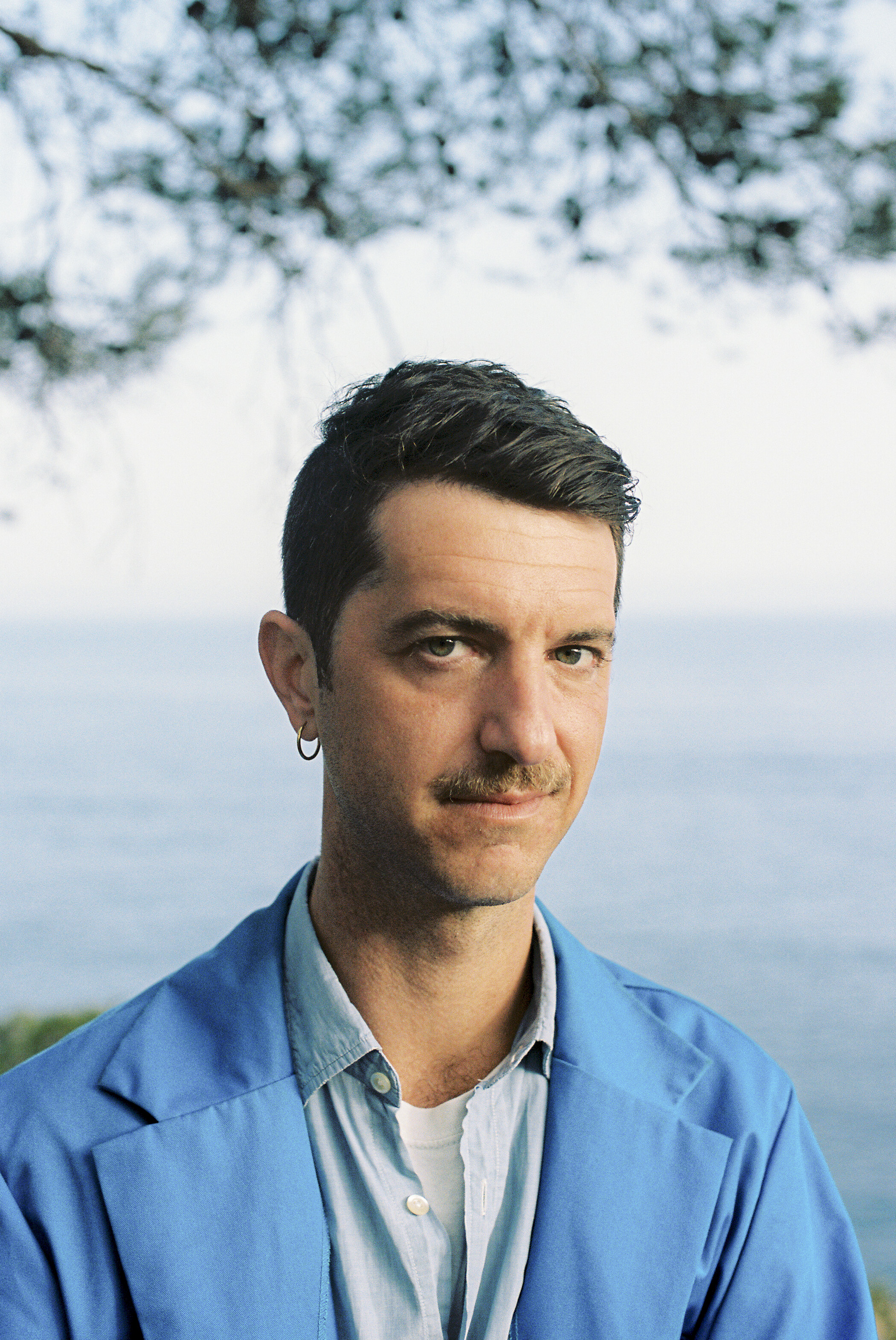
Vincenzo Latronico was born in Rome in 1984 and lived for a number of years in Berlin. He is an art critic and has translated many books into Italian, by authors such as George Orwell, Oscar Wilde, F Scott Fitzgerald and Hanif Kureishi.
Perfection is his fourth novel, the first to be translated into English. He lives in Milan.
Twitter@vlatronico
globe@v.latronico

0 Comments