


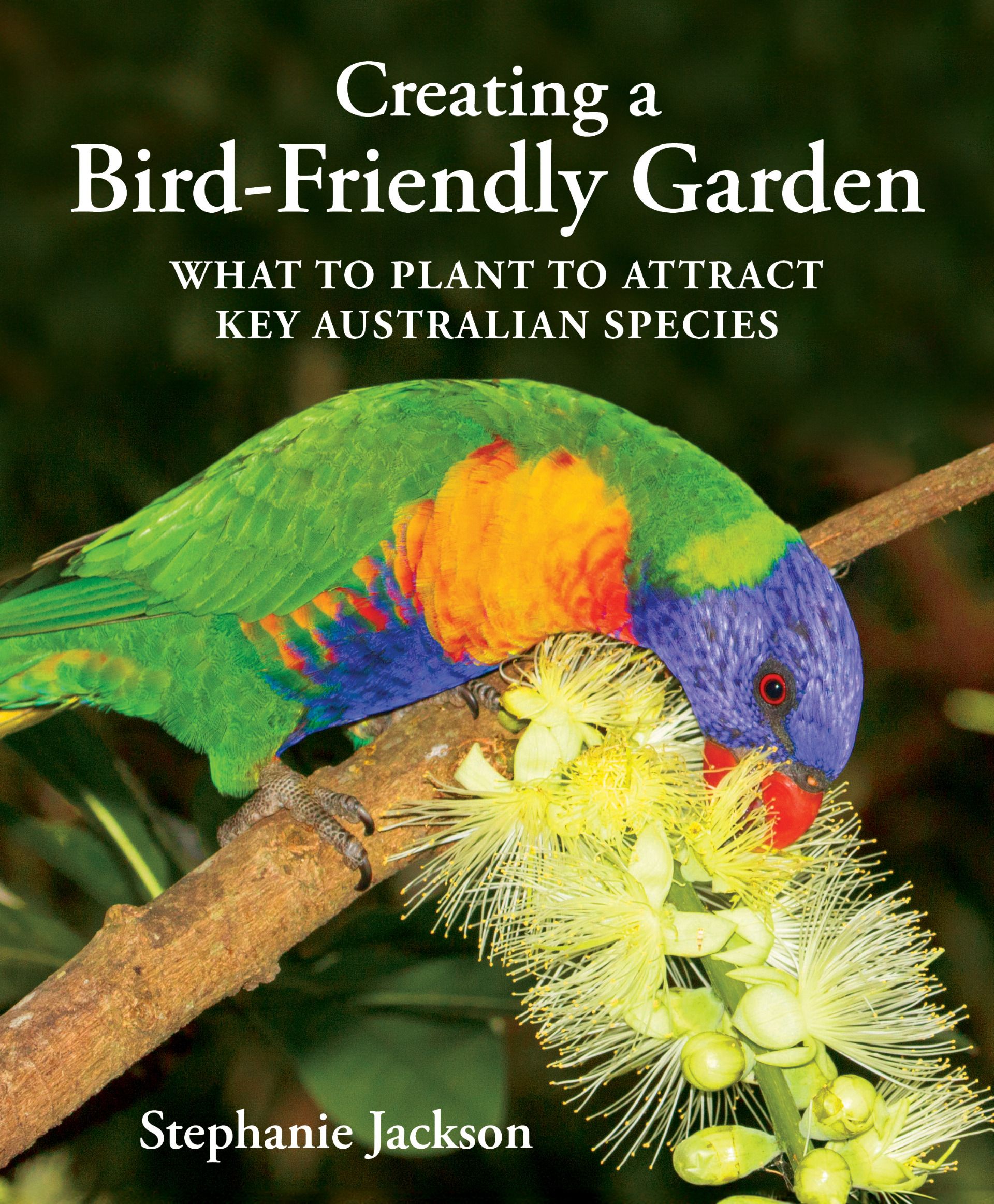
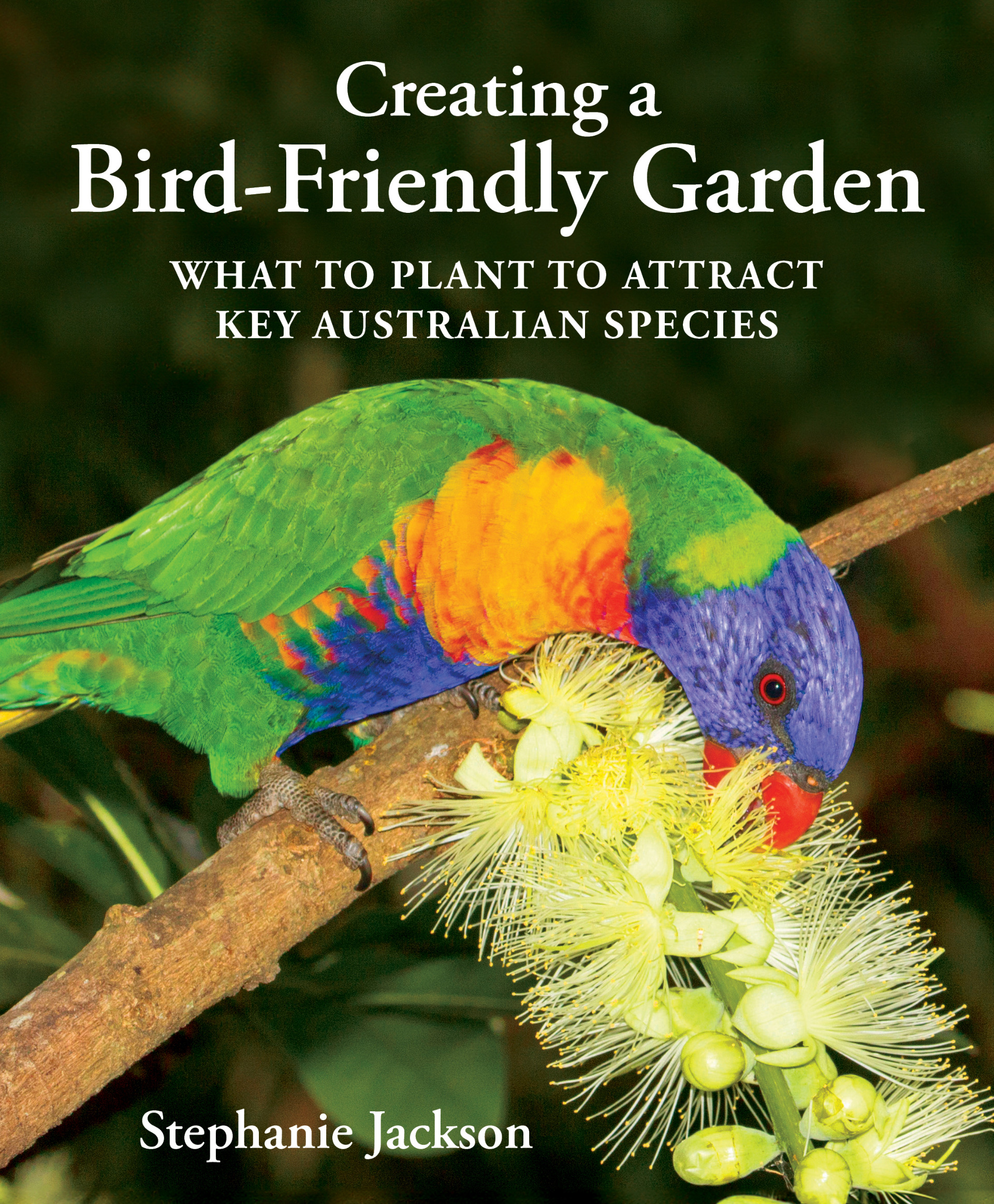
In Creating a Bird Friendly Garden Stephanie Jackson provides a wealth of information to help us to create our own corner of paradise that wild birds will be eager to share, however large or small your garden.
The book introduces more than 70 Australian species of birds that routinely visit gardens and provides the details of more than 230 species of plants, including both native and exotic species, which offer food, shelter and a welcoming habitat for birds to guarantee that a garden will become the focus of their attention.
A garden that’s designed to encourage birds to take up residence provides a delightful environment in which gardeners will not only be able to interact with nature, but will also be rewarded for their efforts with the knowledge that they have created a safe haven for birds and other wildlife.
In this extract we look at how we can make our gardens a safe place for birds to visit.
**********
MAKING A SAFE HAVEN FOR BIRDS
There’s more to creating a garden for birds than simply choosing the most appropriate plants and providing a source of water. It’s not only about what you can provide for birds – equally as important is minimising the dangers that birds face.
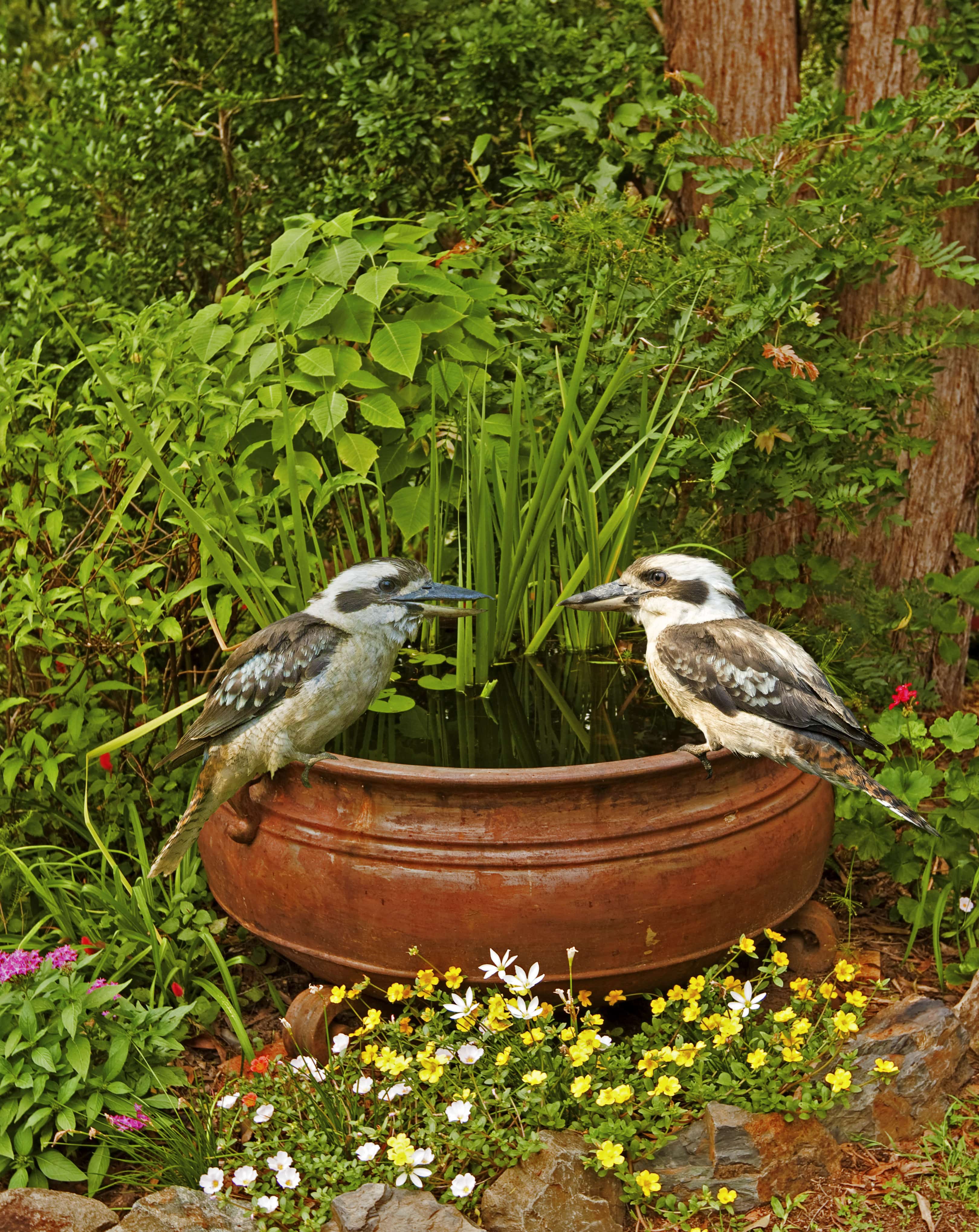
Cauldron pool and garden
Many native birds face a myriad of challenges to their survival with the greatest threat being the loss of wildlife habitats as a result of land clearing for urban development, for the expansion of industrial and agricultural enterprises, and for an increasingly congested network of roads. As areas of native vegetation become the victims of bulldozers and continue to decrease in both size and number, birds face increasing competition for diminishing food resources and for nesting and roosting sites.
Small birds, particularly those that spend a considerable amount of time on the ground, face other threats too. They’re increasingly vulnerable to natural predators whose lives have also been severely impacted by the destruction of their varied habitats and that are always on the lookout for an easy meal. Even those that have found a welcoming environment to call their home face a range of additional challenges, including the threats posed by domestic pets and by the range of toxic chemicals that are in the environment.
A bird-friendly garden should not only offer birds varied sources of food and places to shelter, but should also be a safe haven that they can use as a stepping stone to move between other areas as they search for food, for a mate and for a quiet retreat where they can raise a family.
Unfortunately, every garden is fraught with danger as far as birds are concerned. Predators, such as reptiles, lie in wait for birds that might be easy prey and will eagerly scoff any momentarily unguarded eggs and vulnerable chicks. Droughts and the subsequent reduction in the availability of food, excessive summer heat, and natural disasters all take their toll on the avian population too, and although we have no control over such events we can change some of the aspects of human behaviour that also have a detrimental impact on the lives of birds.
Toxic chemicals
Every garden should have a well-balanced population of wildlife, with the majority of creatures that inhabit the area being insects, spiders and other invertebrates such as centipedes, snails and slugs. Unfortunately many people regard even one insect – one fly, one mosquito, or a solitary grasshopper – as one pest too many, and with the erroneous assumption that the only good insect is a dead one they bring out the weapons of chemical warfare that, they assume, offer the best option to control insects.
As death sprays forth from a can of insecticide any birds in the vicinity, if they could talk, would be shouting “Stop! Put that dreadful stuff away and leave those little creatures for us!” – for many of a garden’s smallest creatures are destined to become the prey of birds, reptiles or amphibians. Sprinkling a small amount of a toxic pesticide around to discourage a plague of cockroaches might initially seem to cause no harm to anything other than a few unwelcome insects.
Laying poisoned baits to counter an infestation of mice, or spraying pesticides on the foliage of plants to discourage feasting grasshoppers, may have the desired effect on the intended victims, but it will also have a negative impact on other small and inconspicuous beneficial insects and invertebrates that are inadvertently drenched in the poisonous spray. Larger creatures, including birds, feed on the dead and dying insects, and on rodents that have become the victims of poisons, and feast on the seeds and foliage of plants that have been contaminated with herbicides.
The impact on their health as a consequence of ingesting contaminated food is referred to as the butterfly affect, which occurs when one small and seemingly insignificant action leads on to larger and unforeseen consequences.
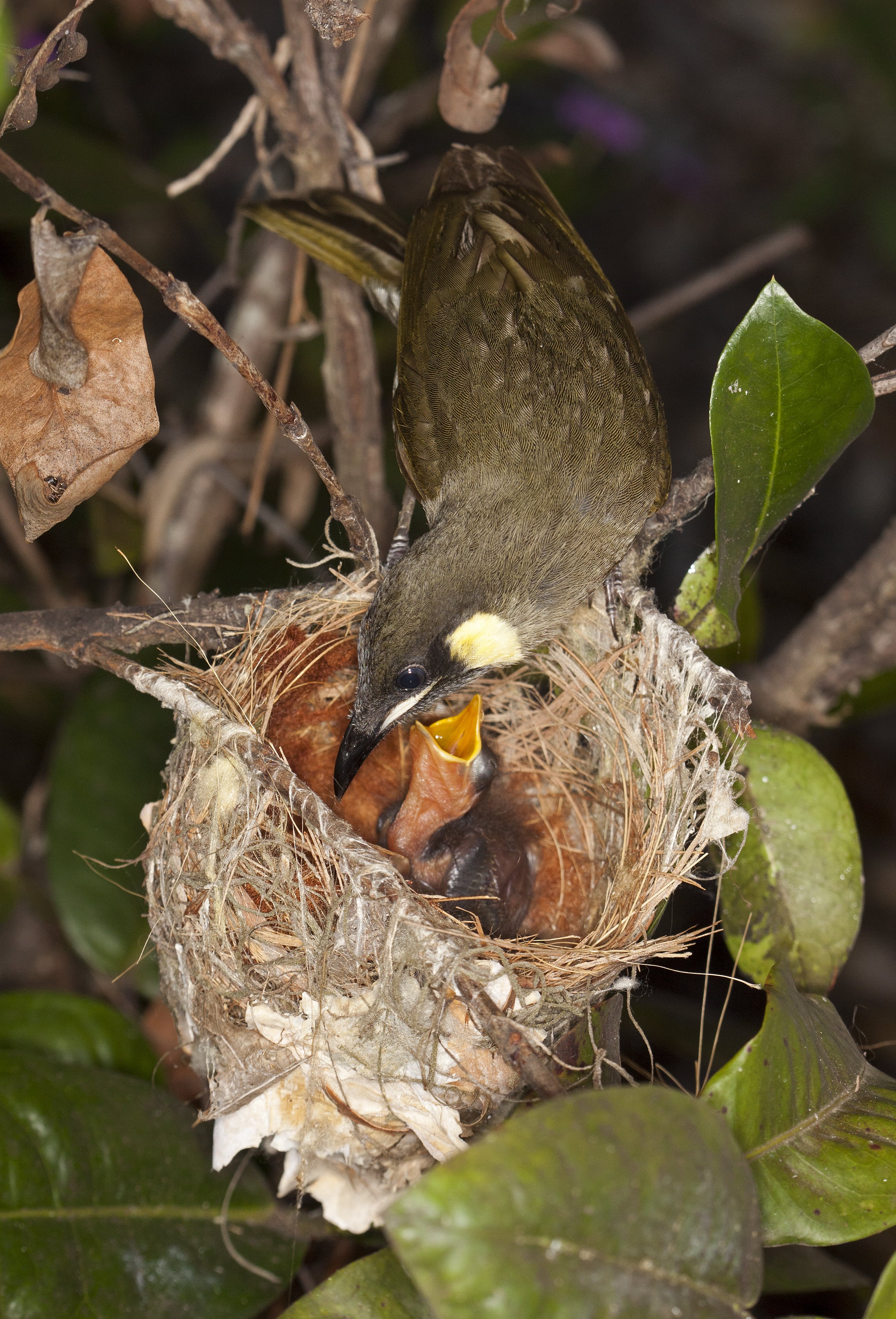
A safe environment is essential for the survival of this Lewin’s Honeyeater’s chicks
The US Fish and Wildlife Service estimates that, in the USA alone, an estimated 67 million birds die from pesticide poisoning each year, most as a result of having consumed the carcasses of animals that were the primary victims of poison. Even that staggering figure doesn’t represent a true picture of the threat that birds face for most avian deaths are never recorded as dead birds are often eaten by other birds or animals, leaving no evidence of the reason for their demise. Studies into the rate of bird deaths from chemical poisoning in Australia are expected to reveal similarly distressing statistics.
Countless birds die as a result of ingesting rodents and insects that have been the intended victims of poisons but the butterfly effect ultimately comes into play. Many birds, having eaten the remains of birds or other creatures that have consumed the carcasses of the original and intended victims of poisons, die as a result of the gradual accumulation of toxic substances in their system. Gardeners can protect birds from the risks associated with harmful chemicals while also maintaining the biodiversity that is essential in a bird-friendly garden simply by adopting organic methods of pest and weed control that alleviate the need for products that are harmful to the environment, to wildlife, and to humans.
In a healthy and balanced ecosystem the survival of every creature is important – for what will many birds feast on if so many of the little critters that would have been their prey have been eradicated with toxic chemicals?
Domestic pets
Creating a safe haven for birds also means ensuring that the garden has no predators other than native species. Reptiles and large birds, in their role in maintaining a balanced ecosystem, routinely prey on birds, but it’s cats, and dogs to a lesser extent, that threaten the lives of many more birds and even threaten the survival of entire species.
Although many disciplined and well-trained dogs pose no direct risk to wildlife, they can still have a negative affect on the lives of the birds that inhabit a garden. When a bird is quietly going about its life feeding on the ground or in low vegetation, having a bath, or patiently hunting for its prey it will be less than impressed when Fido comes bounding along, barking, growling and leaping about, and although it might not intend any harm, a dog, from a bird’s perspective, is generally not an inviting sight. If there’s adequate space in the garden it’s best to keep your dog confined to an enclosure that’s shielded from any areas of the garden that birds frequent. If this in not an option however, your best mate should be kept indoors or taken for its essential exercise somewhere well beyond the garden to ensure that birds can go about their lives in peace.
The dangers posed by cats
Cats are the devil in disguise as far as birds are concerned. Feral cats are responsible for the deaths of huge numbers of birds and native animals – but the horrifying reality is that pet cats kill 50 times more birds and animals per square kilometre than their wild relatives. Cats can be wonderful pets – but the reality is that they are carnivores, and hunting, both day and night, is a natural and instinctive activity, even for domesticated animals that are mollycoddled and well fed.
Approximately a third of Australian households own a cat, with about 50 per cent of cat owners having two or more cats. Some simple arithmetic puts the total population of domestic cats in Australia at about 5.3 million.
Many cat owners insist that their pet doesn’t kill birds, but most people are blissfully unaware of what their demur little moggy gets up to while they’re safely tucked up in bed. In a study in South Australia, radio trackers were used to monitor the activities of 177 domestic cats that the animals’ owners insisted always remained indoors at night. The results of the study showed that 39 per cent of the cats were quietly sneaking outside for nocturnal adventures.
Other studies into the habits of pet cats revealed that 78 per cent of roaming cats hunt for prey and that each roaming and hunting cat kills, on average, more than three animals or birds every week. The statistics illuminate the reality of a terrible situation in which domestic cats slaughter an estimated 546 million animals and birds per year in Australia. Although approximately a third of the cats’ victims are introduced species, such as rats, house mice, House Sparrows and Common Mynas, pet cats are still responsible for the deaths of some 323 million native mammals, birds and reptiles every year. In urban areas in which cats are not legally required to be confined, some 100 cats roam and hunt across each square kilometre of the landscape. In less populated rural areas there are obviously far less pet cats and there is only one feral cat in every three to four square kilometres. Each feral cat kills about four times as many birds or animals a year as a domesticated cat, but due to the huge population of cats in urban areas the toll on wildlife in cities and towns is far greater than in the bush.
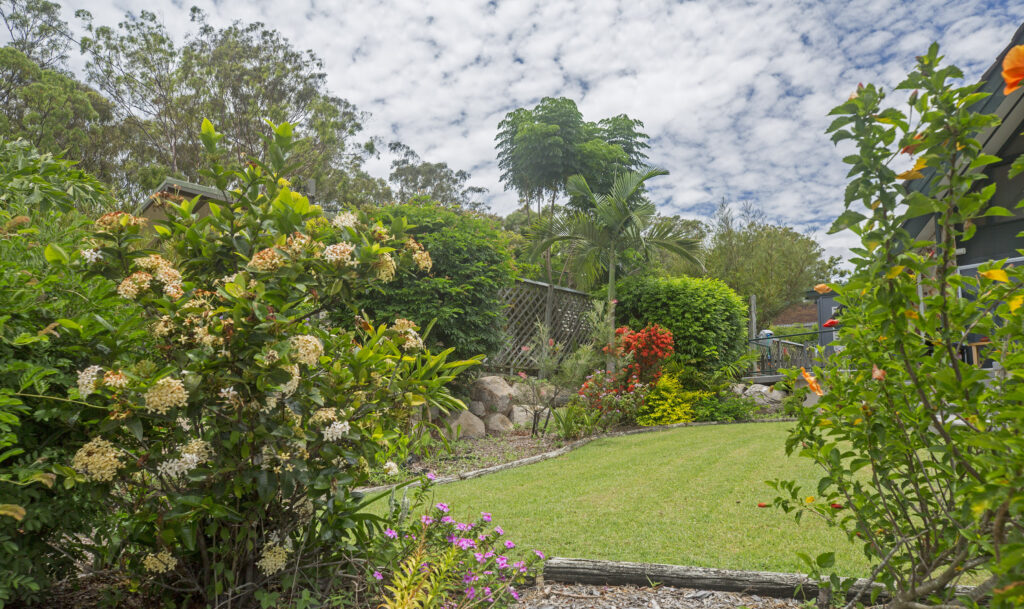
Dense shrubs provide shelter and nesting sites for small birds
How to protect birds from cats
Some cat owners fix a bell to their pet’s collar in the belief that it will alert birds to the presence of a feline predator, but in fact bells do little to keep birds safe. Birds have highly developed eyesight and see colours differently to humans – and research has shown that when a cat wears a bright rainbow-coloured cloth collar with reflective strips attached to it, bird kills are significantly reduced. It’s definitely not a foolproof way to protect birds however, for the only way to ensure that birds are safe from attack is to keep cats confined 24 hours a day.
They can be perfectly happy spending their entire lives indoors and with a cat flap leading into a fully enclosed outdoor pen they can still have access to fresh air and sunlight. In Australia some 1.6 million pet cats are restricted to an indoor life, where most are undoubtedly as contented as a pig in mud. The remaining 3.7 million pet cats that are allowed to roam freely continue to take a huge toll on urban wildlife. A cat that’s kept indoors at night yet allowed to roam unhindered during the day will still hunt, even if it’s well fed and has no need for additional food. For many domesticated cats, hunting is often nothing more than a game that ends in death for the involuntary avian participant.
When cats are confined it not only reduces the risk to birds and other wildlife, but also ensures that a much-loved pet remains safe from harm too. Roaming cats can be injured in fights with other cats and with dogs, can be bitten by a venomous snake, risk being run over by a motor vehicle, and also have a greater chance of contracting a disease that may prove fatal. Cats have believed to have played a role in the extinction of more than 34 species of Australian mammals and the presence of these feline hunters continues to pose a risk to the survival of many other native birds and animals.
Other threats that birds face
Life is unquestionably difficult for many species of native birds. Many thrive in what remains of their natural habitat, in bushland and forests, national parks, wetlands and the outback. Towns and cities are also home to a great diversity of birds that have adapted to new and ever-changing environments, but sadly the populations of many species, even some that are regarded as ‘common’ birds, are in decline. Some introduced species have been able to outcompete their Australian counterparts and have come to dominate some habitats and thus disrupt the delicate balance of the environment to the detriment of native birds, but there is hope for the future of our feathered friends. By creating a garden environment in which birds and many other species of wildlife can thrive we can all play a role in conserving populations of native birds and ensure that they will continue to bring pleasure to future generations of gardeners.
ABOUT THE AUTHOR
For almost 20 years Stephanie Jackson’s work as a freelance travel writer and photographer has revolved around her greatest passion of wildlife, and her photographic work has resulted in her travelling extensively around Australia. Her images have been published in Australian Photography magazine, and also used by Australian tourism authorities in their promotional material and on their websites.
Her previous books for Reed New Holland include ‘Australian Wildlife On Your Doorstep’, ‘The Practical Gardener’s Guide to Trees, Shrubs and Climbers’ and ‘Encounters with Australian Birds’.

0 Comments