



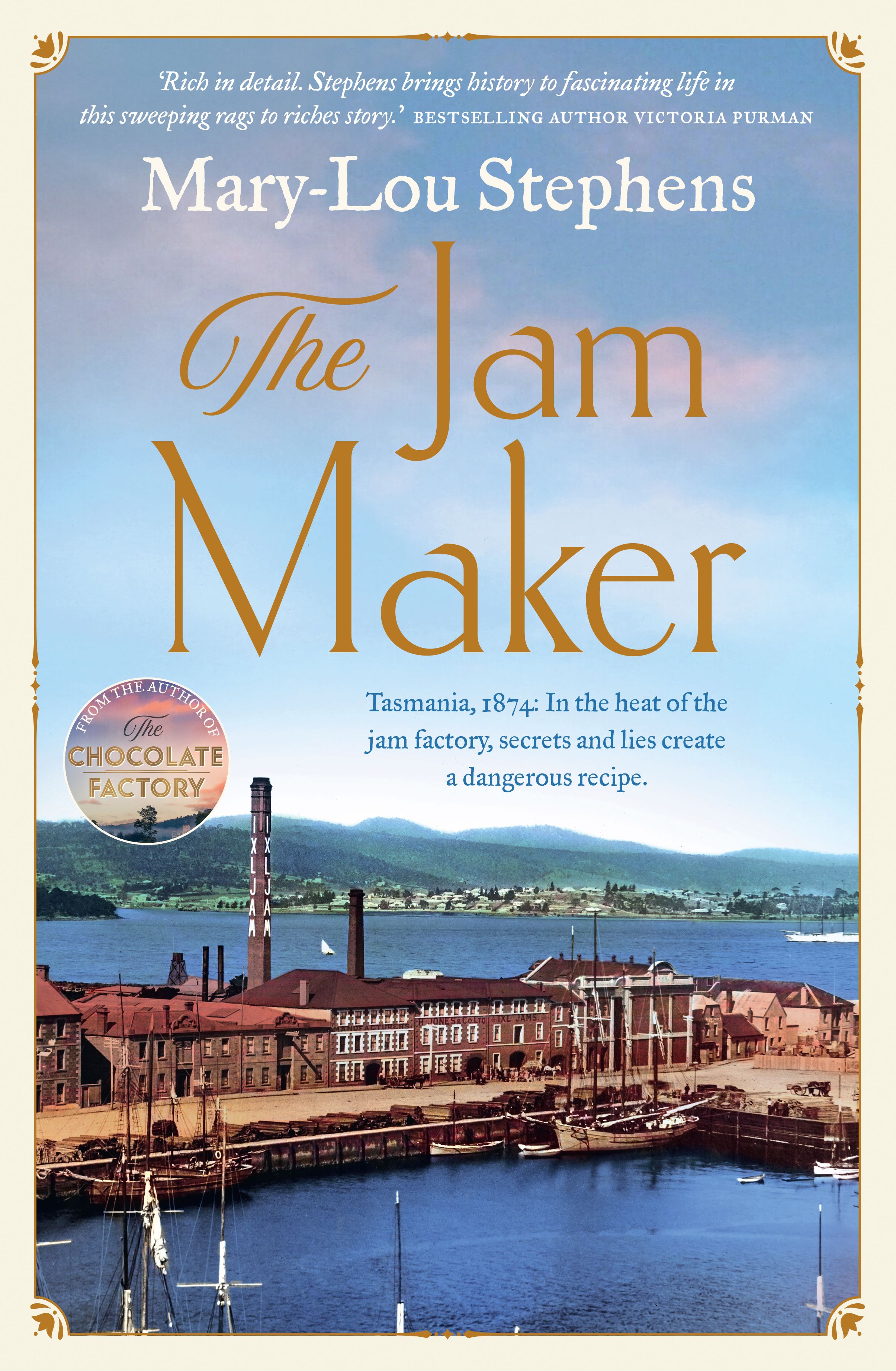
As well as the human dramas in this novel about 19th century Hobart, the plot is mouth-watering. That’s because it is centred on jam, manufactured in everything from backyard sheds to more sophisticated factories on the Hobart waterfront.
Modern visitors to that city can opt to stay at the Henry Jones Art Hotel, the restored IXL factory once operated by one, Henry Jones.
Henry Jones features largely in her story, as well as a fictional Harriet Brown. Both were from slum families and began work at the George Peacock and Sons jam factory before they were teenagers. But as George only employed males, Harriet became Harry, binding her breasts as she entered puberty.
When Harriet became tired of the pretence, at age 16 she left the factory and was married to a much older man who owned a jam factory.
Although this marriage was not totally successful, Harriet learned a lot and became a jam maker, devising interesting combinations of fruit and flavours.
Henry Jones, who became one of Hobart’s most successful businessmen, remained a friend through Harriet’s turbulent second marriage, and her blissful third union.
This novel is an entertaining social history of Hobart from 1874 to 1926, showing how its fruit made Tasmania the centre for jam-making, with diversification into apple exports and the introduction of cold stores.
Throughout, Harriet and her cheerful and bawdy friend and helper, Ruth, forge their own way in what had traditionally been a man’s world.
Reviewed by Jennifer Somerville

Read an interview with Mary-Lou Stephens



0 Comments