


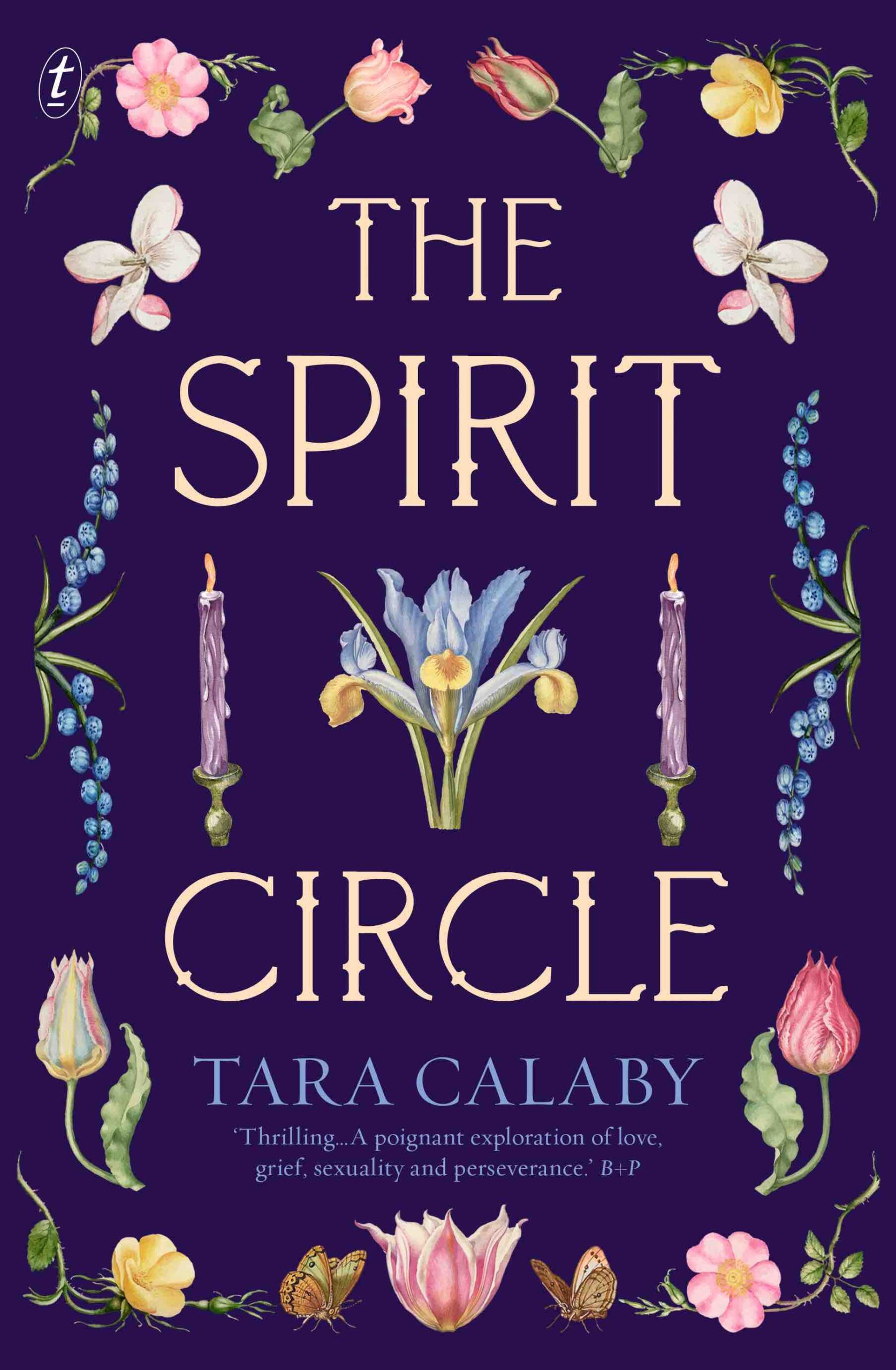
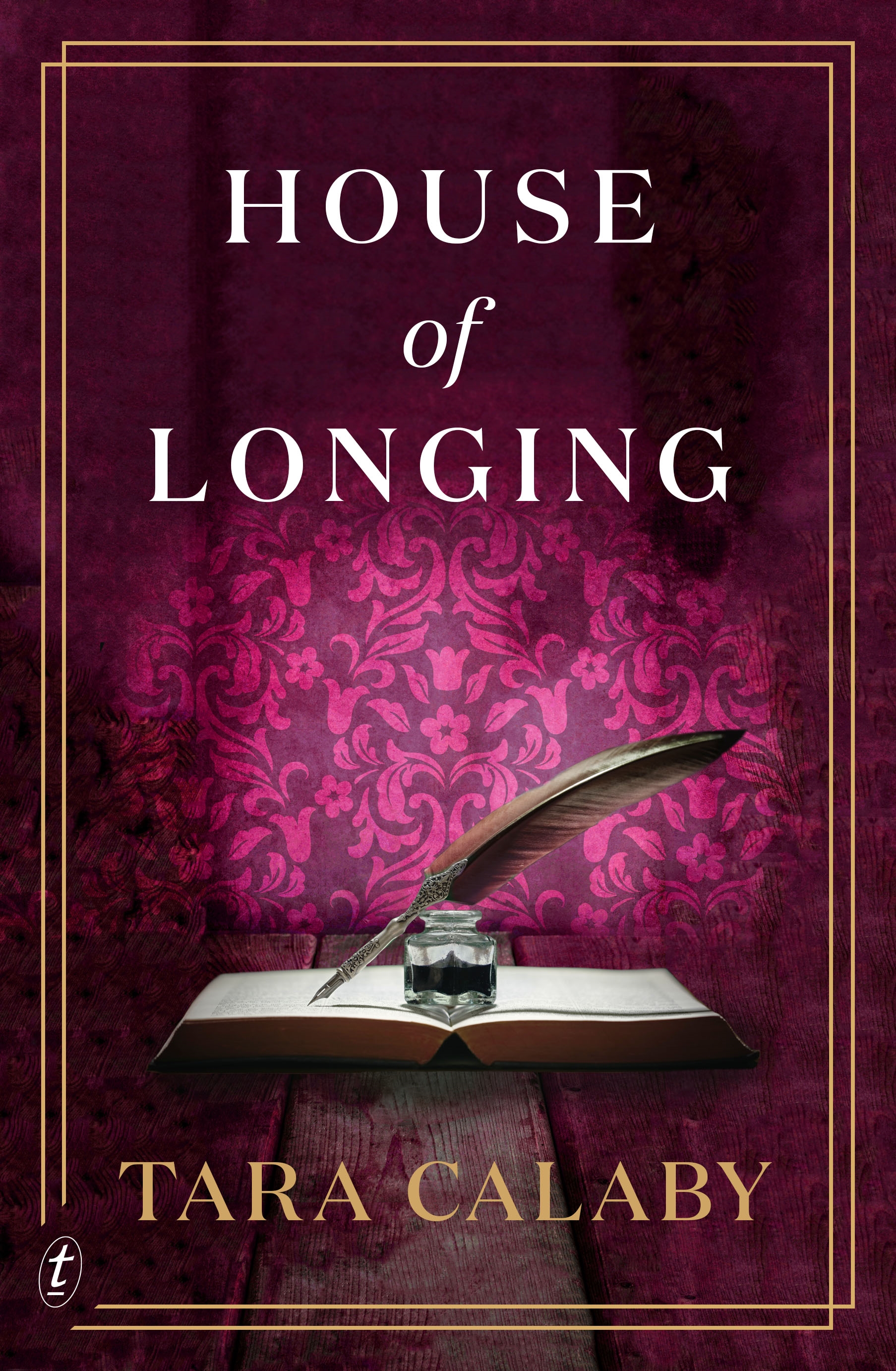
TARA CALABY’s debut novel House of Longing was set during the 1890s in Melbourne. It tells the story of Charlotte, unmoored by grief, who she finds herself admitted to Kew Lunatic Asylum ‘for her own safety’. There she learns that women enter the big white house on the hill for many reasons, not all of them to do with lunacy.
With the release of Tara’s second book, The Spirit Circle we caught up with the author to find out more about her and her inspiration for her storues.
ABOUT THE BOOK
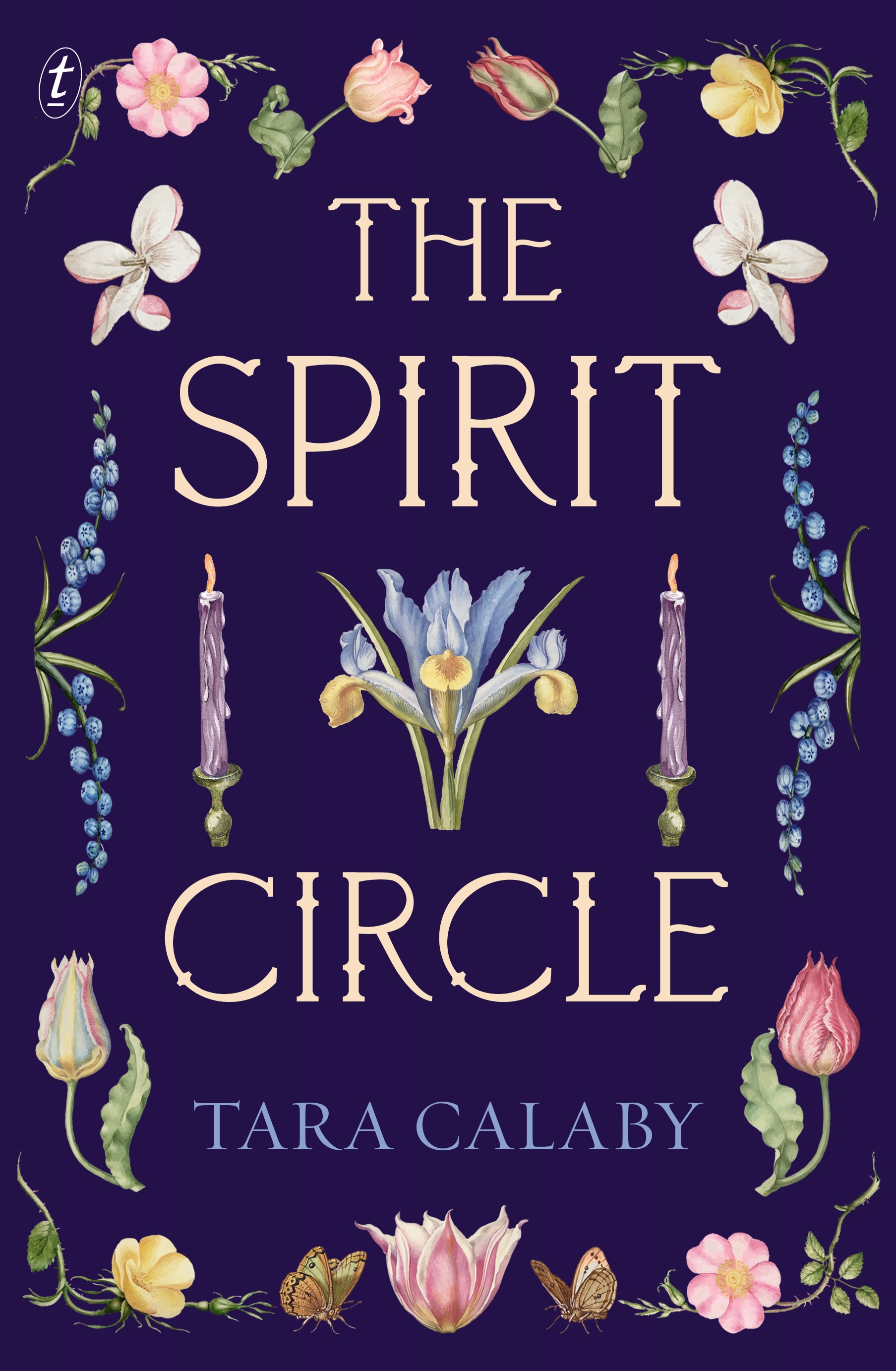 For Ellen Whitfield, the betrothal of her dear friend Harriet to Ellen’s brother has brought both loss and solace. But when Harriet suddenly breaks off the engagement, ostensibly at the insistence of her deceased mother, Ellen is bewildered. And when she learns that Harriet is involved with a spiritualist group led by the charismatic Caroline McLeod, she fears losing her friend altogether.
So it is that practical, sceptical Ellen moves into the gloomy East Melbourne mansion where Caroline, along with her enigmatic daughter Grace, has assembled a motley court of the bereaved. Ellen’s intention is to expose the simple trickery – the hidden cabinets and rigged seances, the levers and wires – that must surely lie behind these visits from the departed.
What she discovers is altogether more complicated.
Tara Calaby weaves a compelling and richly detailed narrative around the romance of old Melbourne in this intriguing, possibly supernatural, historical mystery.
MEET TARA CALABY
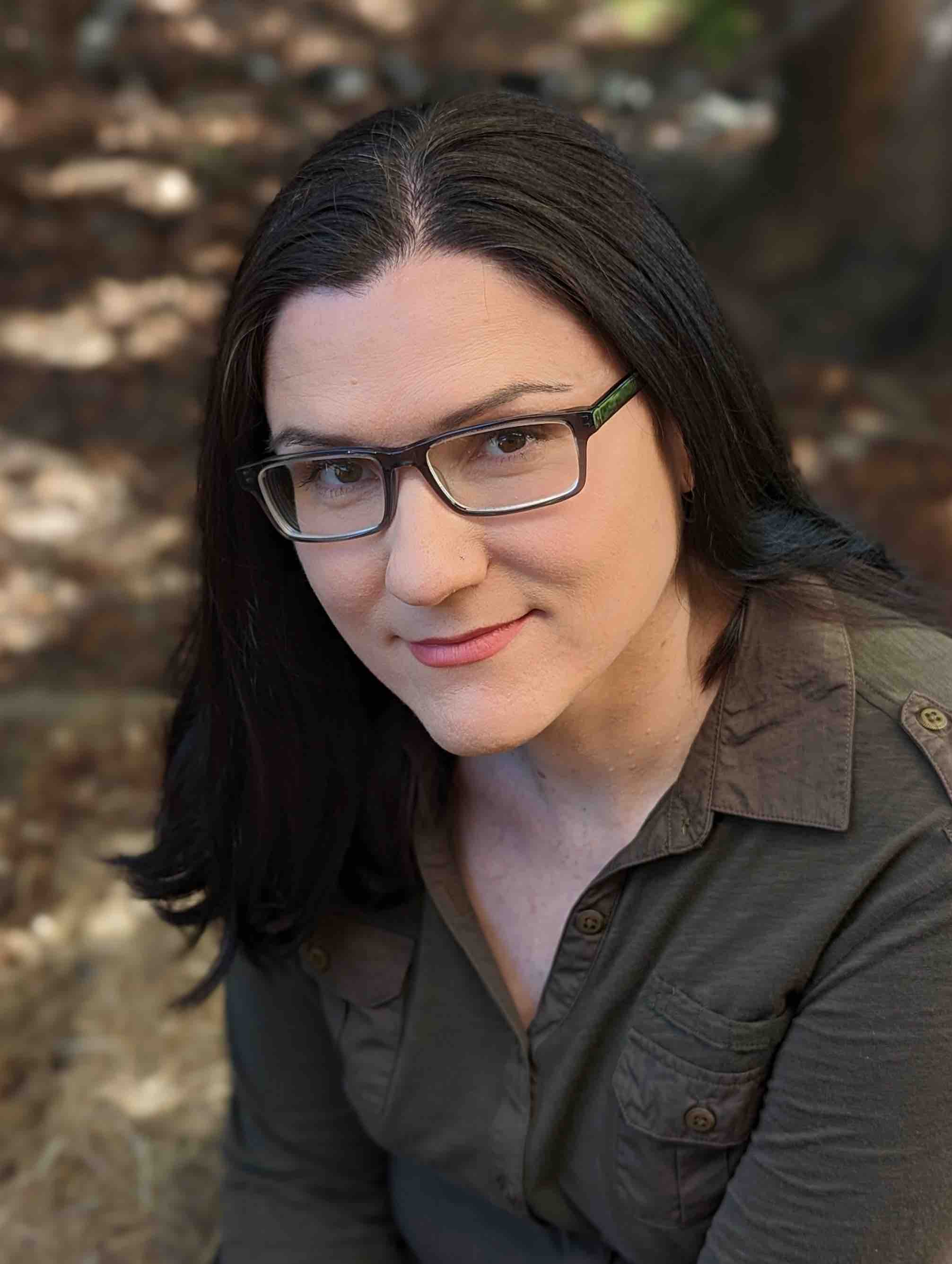 Can you tell us about your childhood? Where did you grow up and what are some key memories?
I grew up in Gippsland in Victoria. I’m an only child, so I learnt to keep myself occupied early in life. I was a voracious reader from a very young age, a trait I inherited from my parents. I remember that we were allowed to borrow more books than the usual library limit, because otherwise they wouldn’t last us a week! That’s one of the things I really envy, thinking back to childhood: the amount of time I could spend reading. I even read in the shower. (Washing while keeping the book dry wasn’t easy.)
I was diagnosed with autism and ADHD as an adult, and my neurodiversity caused issues as a teenager, but I look back on early childhood with a lot of nostalgia. It’s not the big events I remember so much as the simple things – like Sunday drives with my parents and holidays at my grandparents’ house on the Mornington Peninsula taking evening walks along the beach.
At what point did you know that you were going to write your first book, House of Longing? What inspired that moment?
I can’t remember a time when I didn’t want to be a novelist, but if anything, that made it more difficult to begin writing my first book. I stuck to short stories for a long time, because I was afraid of trying to write a novel and failing. My PhD forced me to take that chance and, without it, I’d probably still be writing short fiction. When you care a lot about something, it makes you vulnerable, and that’s a scary thing to face.
 You wrote that, ‘I think the Own Voices movement is extremely important.’ Can you tell us why you feel this is so important that writers write from their own experience?
I don’t think authors should only write from their lived experience – as a historical fiction author, I’d be a hypocrite if I did – but I think we should write from a place of honesty and understanding, which is easiest when you can find points of commonality with your characters. I can only guess what it felt like to participate in a séance in a Victorian drawing room, but I understand grief and the way it haunts you, so the allure of the promise of an end to that is something that feels very real.
Grief is a universal experience, but being queer or neurodiverse or a person of colour is not. I don’t believe that neurotypical writers shouldn’t write neurodiverse characters, for example, but I think it’s vital that neurodiverse authors are allowed to tell their own stories, and that their writing about neurodiversity is championed over that of authors without lived experience, even if it isn’t as comfortable to a neurotypical audience. The own voices movement is about increasing representation in the publishing industry, which is good for everyone, not just the people who can finally see themselves in the pages of a book.
Were you always fascinated by history or were there particular stories or books when you were younger that got you hooked?
My father was a history teacher, so I was probably doomed from birth. History has always been a part of my life, although there was a brief point in my mid-teens where I resisted the pull for fear of being too much like my father. As an undergraduate, I double-majored in history and classics – a sneaky way to squeeze twice as much history into my degree.
I was spellbound by my early encounters with BBC serialisations of nineteenth-century literature, which launched my continuing love for the writing of that era. Literature can be such a wonderful window into the past, and as much as I love archives and academic journals, fiction gives facts a heart.
You are a PhD candidate at La Trobe University, researching the social worlds of women in Victorian lunatic asylums. Why this subject and can you give us some insight into your research?
I was initially planning to focus my research on sensation novels, but my path led me to the asylum case books held at the Public Record Office of Victoria, and once I started reading those, I found I couldn’t stop. I was fascinated by the stories in those pages, and by the absences. I realised that much of what I thought I knew about asylums was inaccurate, and that those inaccuracies continued to affect people today. As someone with a long history of mental illness myself, along with my neurodiversity, I had always joked that I’d have been exiled to an asylum if I’d been born a century earlier.
The more I learnt, though, the more I realised that most asylum patients were loved and wanted by their families, who utilised asylum treatment as a last resort. And, instead of a place of loneliness and isolation, the asylum was a community within a community, where friendships were formed and maintained, and even romance could spark. I think it’s so important that people with mental illness today know that people like themselves have always been loved and cared for, and that tales of abuse and abandonment were the exception, not the norm.
Can you tell us a bit about The Spirit Circle and what inspired the story?
The Spirit Circle is set in 1888 Melbourne, and it’s about a young woman, Ellen, who joins a spiritualist group in the hope of revealing its lies to her best friend, who has been seduced by its promise of communication with the dead. Over time, Ellen’s initial scepticism begins to falter, and she is forced to face ghosts from her own past.
The first inspiration came from one of the many tangents I couldn’t justify pursuing as part of my PhD research. Prior to her admission, an asylum patient had been involved with a spiritualist group that was led by a Christian minister. The fact that spiritualism was incorporated into Christian belief and worship in the Victorian era was fascinating to me as it is so far removed from modern teaching on the occult.
I have always been interested in cults and people’s reasons for joining them, and with The Spirit Circle, I wanted to explore those reasons. What is it that makes a person give up their life for the promise of a spiritual – or spiritualist – reward? I think we all have it in us, given the right circumstances, no matter how cynical we are.
What research did you do for this new book? Did you find any interesting stories of past trickery that went on when speaking to the dead?
The Spirit Circle was an excellent excuse to conduct research I couldn’t otherwise justify during my PhD! I read histories of spiritualism and academic works, but favoured writing from the Victorian perspective – spiritualist publications, public debates, and newspaper accounts of exposés. It was important to me that I read the words of believers alongside explanations of how various phenomena were faked. Spiritualism in its Victorian form may be a thing of the past, but many of its beliefs are still held by people today, and I wanted to allow room in The Spirit Circle for the unexplainable along with the parlour tricks.
That said, there are some intriguing books written by former mediums that detail all the clever props used to produce phenomena like spirit writing and ghostly apparitions. Some things seem obvious from our perspective – like the cabinets mediums used to change into spirit costumes – but we should never underestimate the power of wanting to believe.
If you could travel back in time, what would you tell the young Tara as she was just about to start on her life journey?
I have a tattoo on my arm of the lyric ‘and the waves they get so high’. I think I would simply say, ‘You are stronger than you realise, and you will somehow manage to survive even the most daunting of life’s waves.’
ABOUT THE AUTHOR
Tara Calaby lives in Gippsland, Victoria, with her wife and far too many books. She is currently a PhD candidate at La Trobe University, researching the social worlds of women in Victorian lunatic asylums. In her free time, she enjoys playing video games, attempting to learn Danish, and patting other people’s dogs.

0 Comments