


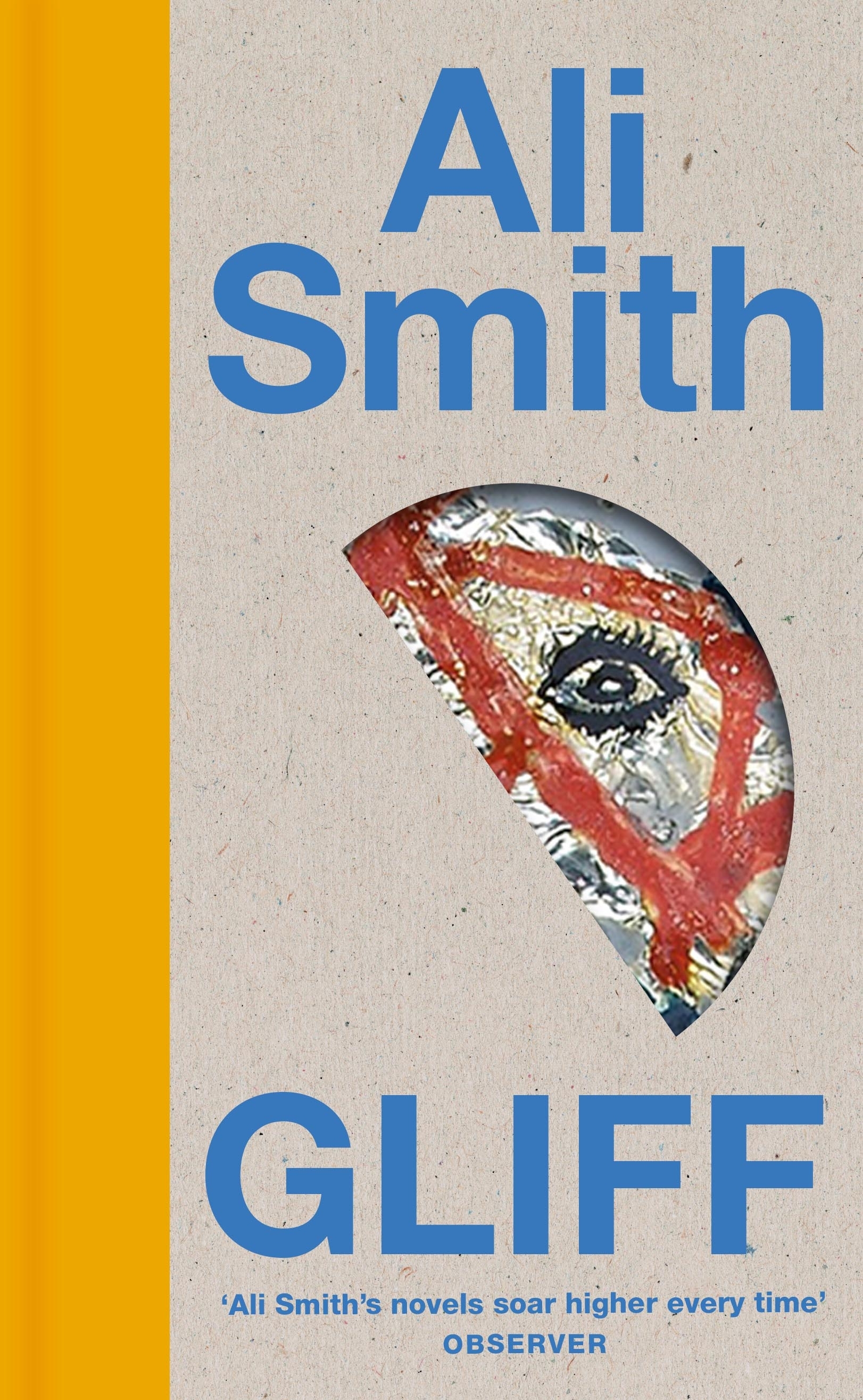
It starts with a line of red paint. Two children, Briar and Rose, leave their mother at work, travel home in their campervan with her boyfriend, Leif, and arrive to find their house outlined in red paint. They leave and park overnight in a supermarket carpark, only to wake and find the campervan outlined in red paint. Leif takes the children to an empty house, leaves them with tins of food and money and says he will return with their mother.
This dystopian world is frightening and yet, with a few tweaks, believably close to our own – global companies hiding the truth of their poisonous products, CCTV and smart phones and watches tracking every move, people turned into ‘UVs’ (unverifiables), for speaking at protests or blaming oil conglomerates for climate catastrophe.
Left alone, Briar and Rose befriend a horse, who Rose names Gliff. They find their way to resisters – people who are off-grid and refuse to participate in this new society. Except in a hostile world of insiders and outsiders, the State is never too far away. Briar and Rose are separated and must find their own way forward.
I was invested in Briar and Rose and their survival from page one. An interconnected companion novel, Glyph, is scheduled for 2025.
Reviewed by Melinda Woledge
ABOUT THE AUTHOR
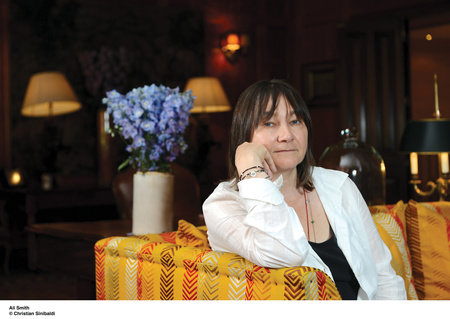 Ali Smith is the author of many works of fiction, including, most recently, Summer, Spring, Winter, Autumn, Public library and other stories, and How to be both, which won the Baileys Women’s Prize for Fiction, the Goldsmiths Prize, and the Costa Novel of the Year Award.
Her work has four times been short-listed for the Man Booker Prize. Born in Inverness, Scotland, she lives in Cambridge, England.

0 Comments