


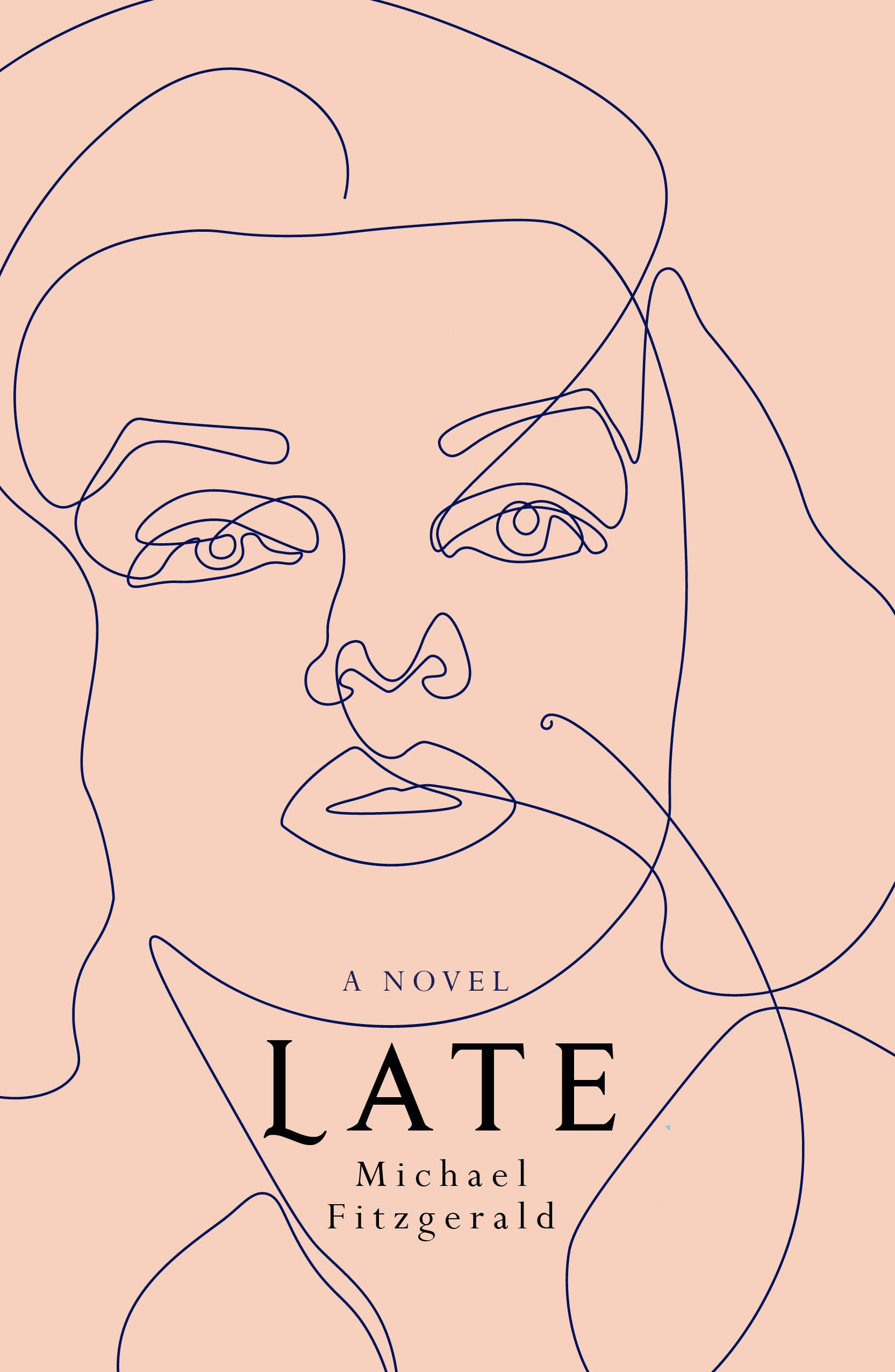
What if Hollywood’s quintessential blond bombshell didn’t die from an overdose, but staged her death and moved to Australia? Fitzgerald has a penchant for weaving an imaginative narrative around historical figures. This novel is set in the late 1980s in Sydney’s coastal periphery of The Gap at Watsons Bay, and sees Zelda Zonk – alliterative initials moving from the middle of the alphabet to the end – living a quiet, Jewish life in an apartment designed by Australia’s foremost modernist architect. (You’ll note that names are alluded to, and this sense of mystery continues throughout the narrative.)
Zelda meets Daniel after he’s locked out of the nearby apartment he’s housesitting. She finds the pair have much in common. Daniel reveals he’s adopted, so both have had ‘before and after’ lives. His birth mother’s surname is Davenport, so the alliteration continues too. The setting and time are vital: Daniel is gay; 1980s Watsons Bay was the site of gay-hate murders disguised as suicides. Zelda and Daniel cross the harbour to find his mother and on return are confronted by a violent man intent on causing Daniel harm.
Repeated alliteration, assonance and synaesthetic imagery imbue the narrative with poetic lyricism. This is deliberate, as Zelda’s previous incarnation demands to be seen as a ‘writer and a student of literature’. To this end, the novel has plentiful literary references, particularly from that most difficult text, James Joyce’s Ulysses.
Late is a beautifully written paean to both the actress and to Sydney. Her life is remembered in scenes (rather than chapters), and Sydney’s landscape is rendered majestically, despite the horrors perpetrated there.
Reviewed by Bob Moore
ABOUT THE AUTHOR
 Michael Fitzgerald grew up in Melbourne and moved to Sydney in the early 1990s to work on Time Warner Inc.’s launch of the celebrity magazine Who. He later became the South Pacific arts editor of Time, and for the past two decades has been an art magazine editor, most recently with Art Monthly Australasia.
He made his literary debut in 2017 with The Pacific Room, a fictional speculation on Robert Louis Stevenson’s travels through Oceania, followed by Pietà (2021), inspired by the restoration of Michelangelo’s sculpture. Late is his third novel.


0 Comments