


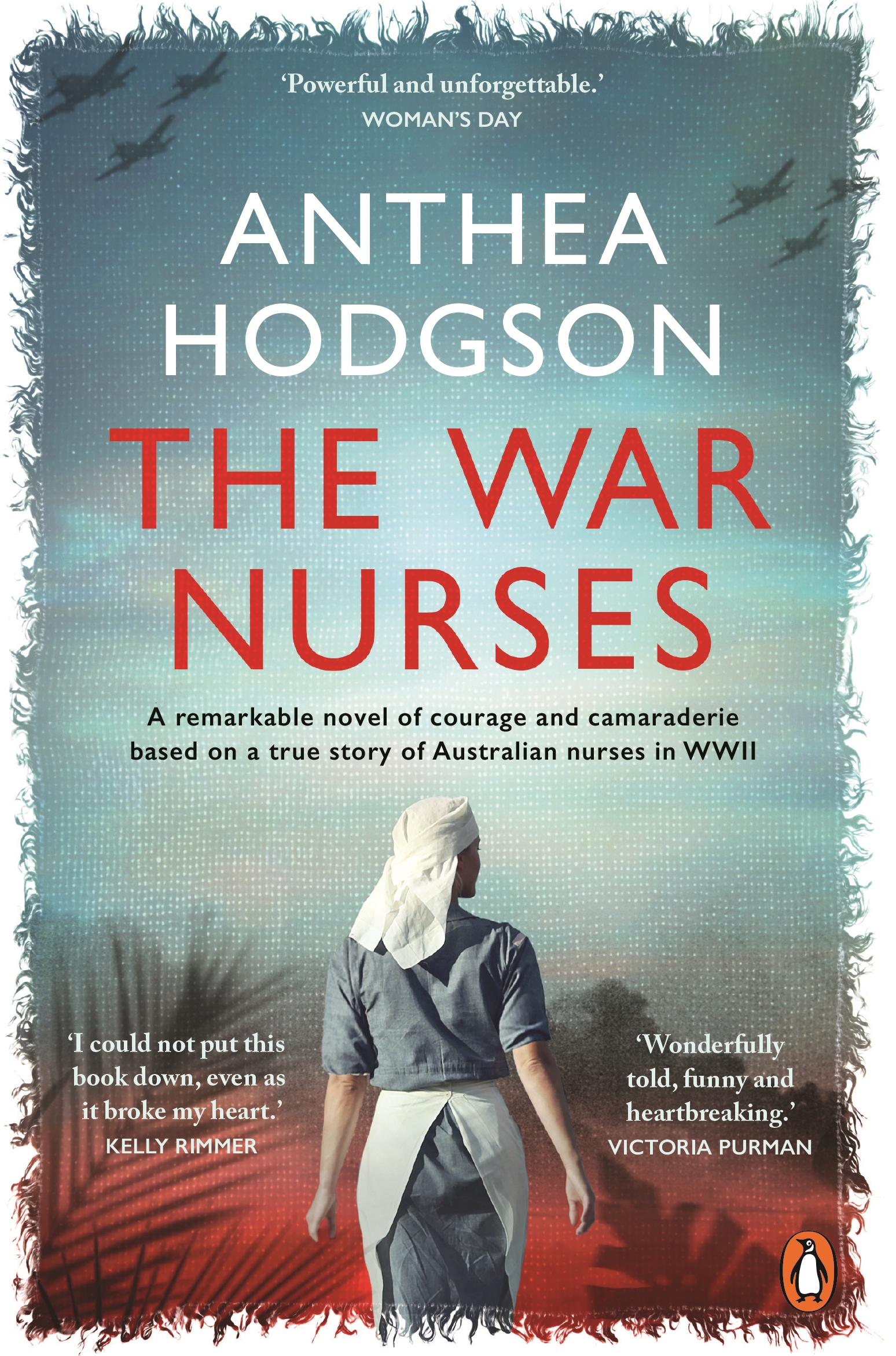
There is much to commend in this novel, particularly the historical research, but readers must be patient.
It is not the first book written about Australian Army nurses evacuated from Singapore as the Japanese invaded in World War II. In 1954, White Coolies by one of those nurses, Betty Jeffrey, was published to much acclaim, detailing their lives as POWs after their ship, the Vyner Brooke, was bombed and sunk off Sumatra in February 1942.
Some of those nurses captured were held by the Japanese in appalling, deadly conditions in POW camps until the war ended in 1945, but others were raped and killed on a Bangka Island beach, after male shipwreck survivors had been shot and bayoneted.
For Hodgson, this story is personal. Her great-aunt, Minnie Hodgson, was one of the 22 nurses on the beach that day. Just one survivor, Vivian Bullwinkel, was injured but pretended to be dead until the Japanese troops left the beach. Eventually she surrendered and joined other nurses in a series of POW camps.
When she gave post-war evidence of the massacre at a War Crimes Tribunal, she was ‘gagged’ by the Australian Government and not allowed to talk about the rapes. That evidence did not emerge until 2019.
The War Nurses is dedicated to Minnie Hodgson, and while the author has used moving, authentic historical and anecdotal accounts by those who were there, she has four fictional characters representing the 65 nurses aboard the Vyner Brooke, including one standing for her great-aunt. It is fiction based on atrocious facts.
Reviewed by Jennifer Somerville
 Anthea’s most recent novel, The War Nurses, brings the story of the 65 nurses of the Vyner Brooke, and the victims of the Bangka Island Massacre to a broader audience. She was inspired to honour her great aunt Minnie Hodgson, who died in the massacre, along with all the amazing nurses who were bombed, imprisoned, beaten and starved during WW2, and who survived, with great dignity, courage, strength and love.
Anthea regards The War Nurses as her finest professional achievement.



0 Comments