


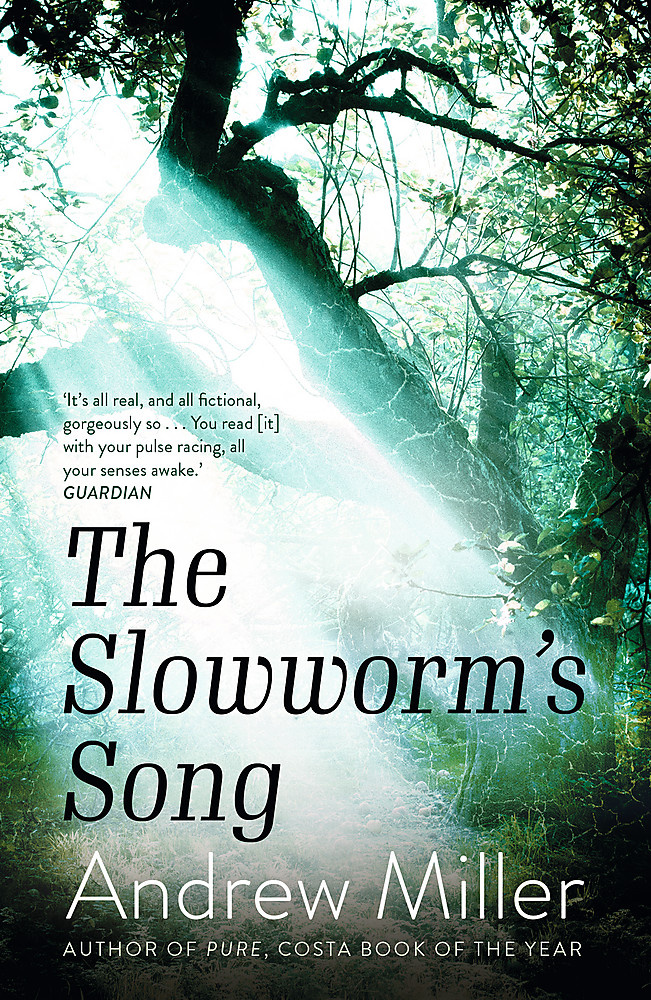
When history comes a-knocking on the door of Stephen Rose in the form of a letter, it causes a tumult. Stephen, a former soldier and recovering alcoholic, has been living quietly in Somerset in what had been his family home, attending Quaker meetings, working in a garden centre, and tentatively starting a relationship with his previously estranged adult daughter.
Miller, an award-winning UK author, has written a graphic, tender account of a man’s search for atonement after decades of guilt over a 1982 incident in Belfast during the Troubles.
That guilt had taken over Stephen’s life, led him to seek absolution from a bottle, wrecked his marriage and meant he had not seen his daughter since she was a child. It is not a new story, and it could apply to many men who have fought in many battlegrounds. The trigger for Stephen to re-examine his life was receiving a letter from a commission in Belfast, requesting his attendance to discuss that 1982 incident.
Stephen’s way of coping with the trauma inside his head is to write an account of his life, hoping his daughter will read it. And that is the authorial device Miller uses to tell Stephen’s story, from his mother’s death when he was young, growing up with his late Quaker father, joining the army, being posted to Germany, then Northern Ireland.
The title of the book is an erudite nod to one of Britain’s best modernist poets, Basil Bunting, who used the slowworm motif in his epic poem, ‘Briggflatts’.
Stephen’s inevitable fall from grace, his hospitalisation and time in rehab, plus his daughter’s reaction to his written memoir are powerful and memorable, along with his decision about attending the commission.
This is a moving account of a man’s desperate need to reveal his imperfect past to the daughter he loves, as well as a way of living with it.
Reviewed by Jennifer Somerville
MORE ABOUT THE AUTHOR
 Andrew Miller, award-winning author of eight novels, was born in Bristol in 1960. He studied at Middlesex Polytechnic, University of East Anglia (with Malcolm Bradbury, Rose Tremain and Lorna Sage), and at Lancaster University where he completed his PhD under the supervision of Professor David Craig. He has been awarded The James Tait Black Memorial Prize, The Grinzane Cavour, The International IMPAC and the Costa Book of the Year.



0 Comments