


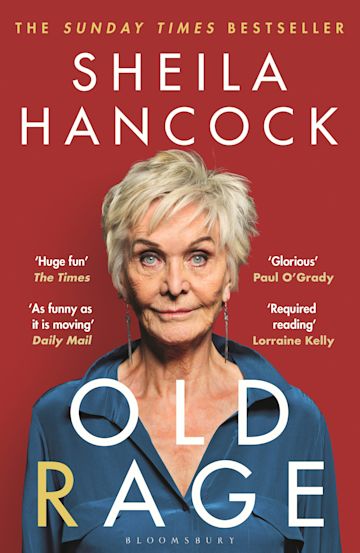
Sheila Hancock is a grande dame of stage and screen in the UK. Audiences will be familiar with her distinctive visage, her stage presence and her inimitable skill. They might be less familiar with her writing, although this memoir, covering her life from 2016 to mid-2021, is her fourth book.
Hancock’s working-class sensibility and lack of the entitlement often associated with celebrity is overt. She wears her humble origins like a well-turned-out cloak: not showy like a mink stole, nor an attention-grabbing hot pink. She’s proud, but also frustrated by her roots. When she joined the Royal Shakespeare Company, her acting ability couldn’t be faulted, but finding that she was the sole member who hadn’t been to university left her feeling exposed.
The book’s format is simple. It reads like a journal, moving forward in months and years, chronicling her life in London and her small French retreat in Provence, while despairing over changes both globally and within her family and her own body. Although Hancock may be turning 90 next year, she’s not a passive observer. She’s an active – sometimes witheringly dismissive – participant. She’s vehemently anti-Brexit, using her childhood wartime experience as a template for union rather than division. Character assassinations of those involved are blisteringly lethal.
The health of her family is her greatest concern, however. Her older sister, Billie, is in poor health. Her daughter, Ellie Jane, battles against cancer. Hancock’s own battle is against the vulnerability and loneliness of ageing. Her resistance to time’s ravages (particularly in filming Edie) is apparent on every page.
Reviewed by Bob Moore



0 Comments