


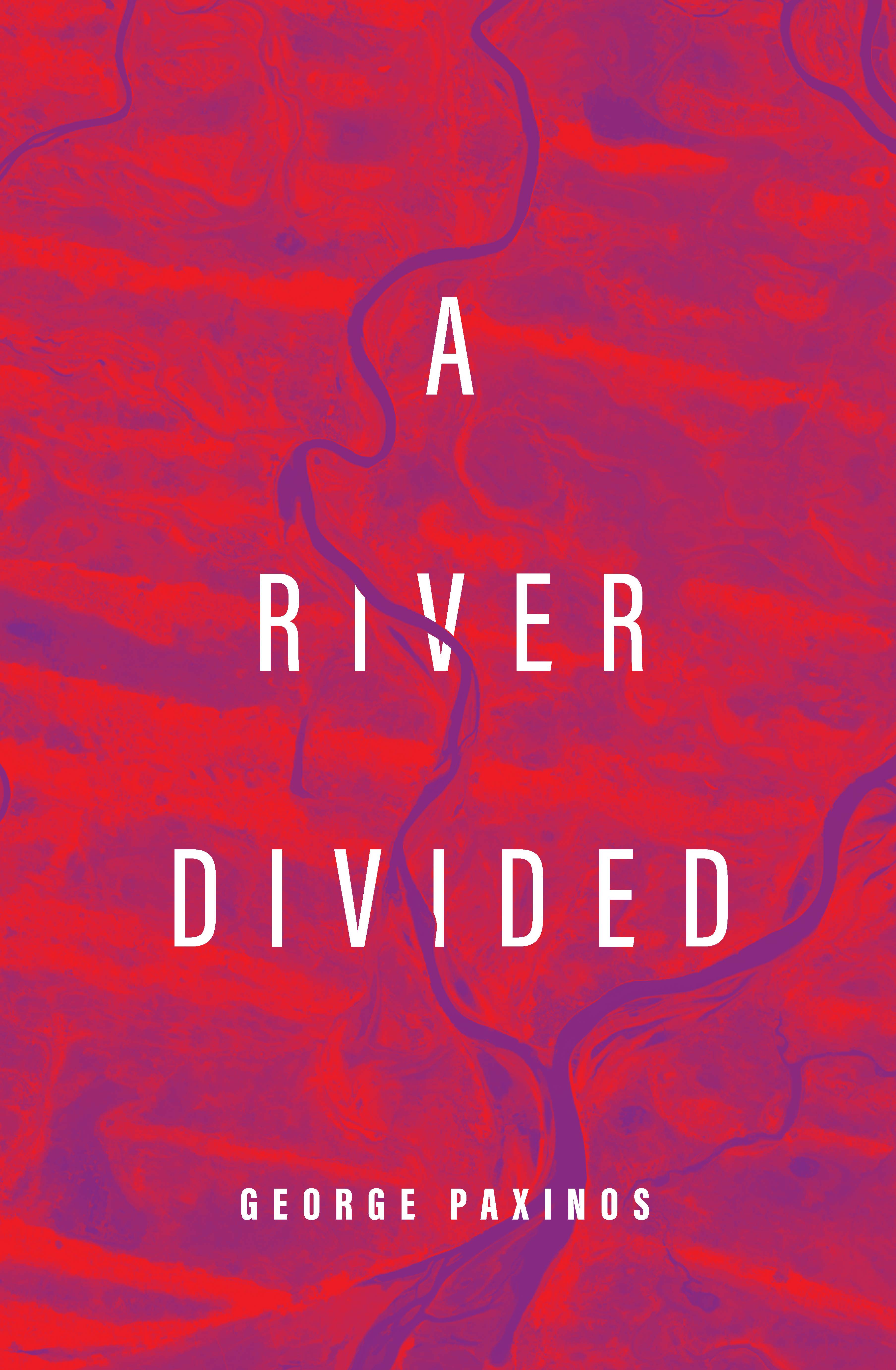
The divided river in the title appears towards the end of the book and refers to the Río Negro and the Río Solimões – two rivers merging to form the Amazon River in Brazil. Division and merging are recurrent themes throughout the book.
Evelyn, a geneticist and amateur archaeologist, unearths an earthenware pot containing bones and cylindrical and spherical pottery in the desert in Israel. She and her partner, Michael, a gynaecologist, smuggle the find back to Australia. The bones show signs of injury consistent with crucifixion. Evelyn believes they belong to Jesus. Michael is unconvinced, but subsequent carbon dating places the bones in the correct era. The spherical pot contains a preserved brain from which Evelyn extracts DNA.
Having (almost) successfully cloned a Tasmanian tiger, she wishes to clone this DNA and inseminate herself – in her mind, replicating Jesus. Amid the process, she splits the cells. Evelyn can only carry one baby. A surrogate, María, is found in Argentina for the other, but when the baby is born she refuses to hand it over. So, twins are born and raised apart: Christopher in Australia and José in Argentina. Their early adult lives and their eventual meeting fill the majority of the narrative.
There is much ground covered in the novel. At times it reads like a Dan Brown thriller; at others it’s very science-focused. It’s a collision between science, religion and ethics and in the ensuing three-car pile-up, the narrative sustains significant damage. But the premise of the novel is intriguing: a newly resurrected Jesus and nature versus nurture.
Reviewed by Bob Moore



0 Comments