


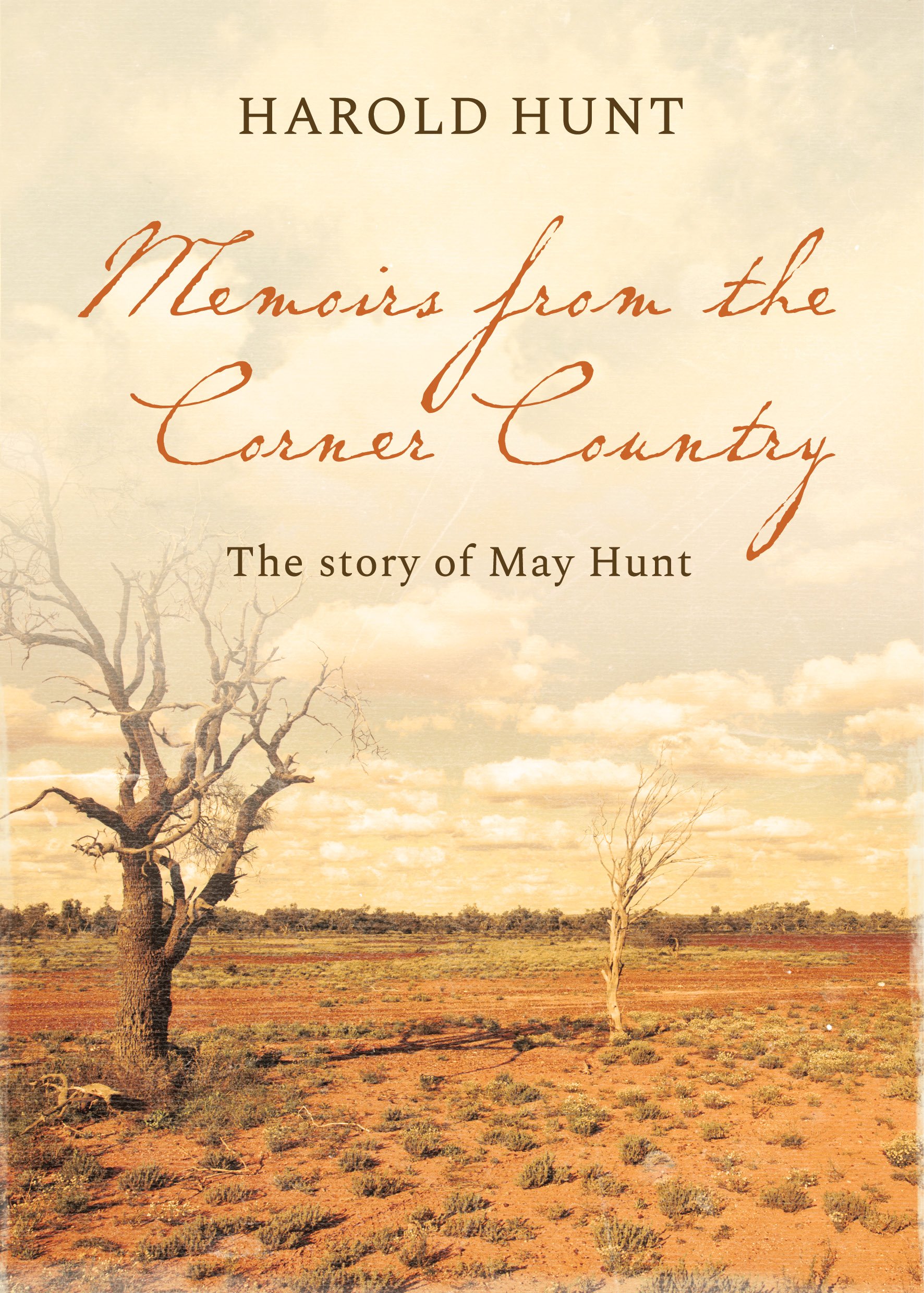
May Hunt was born in Milparinka, in far north-west New South Wales, in 1900. She was the child of Hannah and Jack, both of whom were children of a white father and black mother.
From childhood May was a confident girl, often found hunting with a pack of kangaroo dogs. Nothing frightened her, even the muscled Big Red kangaroo who attacked one of her dogs. She raced in, only to be pulled into his chest to fight it out.
She worked as a horse-tailer, heading off into the bush in the early hours to round up horses and bring them back to the yards for her father. There she learnt her horsemanship skills, for which she was well known.
At 19, May met Bill Hunt and at 21 they married. Bill accepted a job on Willangie Station at Broken Hill. They moved into their first home, a tent pitched under some leafy ghost gums.
May Hunt lived in the era of the White Australia Policy and the Aborigines Protection Act, in a land run by white men; but she stood her ground, demanded respect and got it back in spades. Life was tough, but people survived and didn’t complain. No matter what was thrown at May she adapted and ensured her children were happy and educated.
Although this is a book about May, I felt this was an introduction to many Indigenous women’s lives of that era. In some ways May’s was a fortunate life, it may even have been ordinary, in some ways but, at the same time, you also recognise she was exceptional.
Reviewed by Jane Stephens
ABOUT THE AUTHOR
Harold Hunt is well known in NSW for his work in cross-cultural communication and Indigenous health. He has spent many years working as an educator and counsellor in the area of substance abuse and has been a lecturer at Charles Sturt University in Dubbo, NSW.



0 Comments