



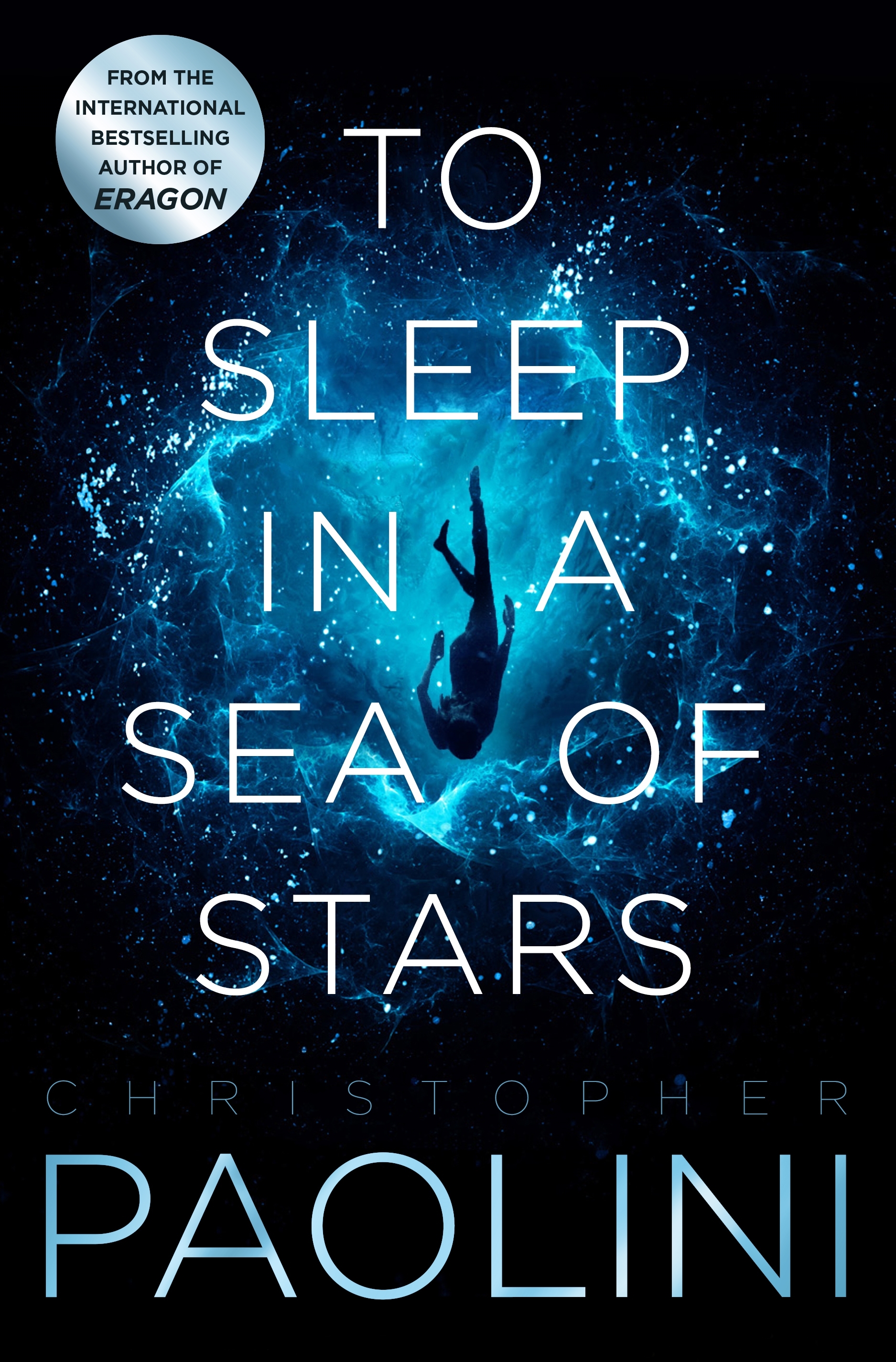
Kira is a xenobiologist, a specialist in alien life, scouring the rocky surface of the uncolonised moon Adrasteia for signs of nasty extraterrestrial bacteria that could wreak havoc on the intrepid humans planning to settle there. She’s part of a team that travels to moons and planets orbiting in the Goldilocks Zone of stars and makes the necessary adjustments to ensure they’re suitable for human habitation. As yet, the only evidence of sentient alien life humanity has stumbled upon as it spreads into space is the infamous Great Beacon, a seemingly abandoned giant artefact in the outer reaches of discovered space. The Beacon’s creators have never been encountered.
Kira’s team throws a party to celebrate a successful mission. During the festivities Kira’s colleague and partner Alan proposes. He convinces Kira to give up their life of travel to lonely far-flung planets and suggests they join the colonising civilians of Adrasteia. Thrilled at the prospect of leading a normal life with her lover, Kira accepts.
Before the night is over a drone identifies a previously undetected sign of life on Adrasteia. Kira must investigate before they can wrap the mission. She jets out the next morning and discovers a towering structure of black, spear-like rocks. As she explores, Kira plummets into what can only be an underground cave carved by aliens. A shifting presence lurks. This is any xenobiologist’s dream – first contact with an alien organism. Horrifyingly, this presence becomes part of her.
As a terrified Kira gains access to preternatural abilities and memories that aren’t hers, she’s dragged into a galactic war that engulfs human-occupied space. Aliens attack – sinister technology, killer tentacles and laser guns galore – and they’re all after Kira.
Christopher Paolini is the author of the mega-successful fantasy series ‘The Inheritance Cycle’, which kicked off with Eragon. His early writing success is a masterclass in hustle. Paolini wrote Eragon in his teens and in 2001 his parents self-published the book. Selling the book became the family business and Paolini toured American schools and bookstores for a year promoting his debut. Dressed in a scarlet puffy-sleeved shirt and a black beret intended as medieval garb, he’d spend eight-hour stints in bookstores convincing customers to read Eragon. During this trip, the stepson of a Random House author read and raved about the book. Word reached an editor at the publisher. The rest is history – Eragon sold a million copies in its first five months of re-publication.
As an ‘Inheritance Cycle’ addict who nurses hardcore nostalgia for Eragon and its sequels, I wasn’t sure how’d I’d go with Paolini’s venture into sci-fi, a genre I haven’t read before. But Paolini’s world-building skills and ability to quickly ensnare your sympathy for his characters prove masterful in both the ancient elf-dwelled forests of his fantasy novels and the alien-riddled starships of his latest book. To Sleep in a Sea of Stars doesn’t strike me as the most original take on a cosmic adventure story, but in any case, this is seriously addictive storytelling magic.
Lovers of Eragon, don’t despair – although Paolini currently has his eyes on the stars there are reports of a planned return to his fantasy world Alagaësia (the name of the moon this book begins on, Adrasteia, is surely a nod to the author’s original imaginative stomping ground).
To Sleep in a Sea of Stars proves just as brilliant as Paolini’s fantasy books – with the added thrill of the prospect that some version of Paolini’s futuristic imaginings in this sci-fi epic could, one day, come true.
Reviewed by Angus Dalton



0 Comments