


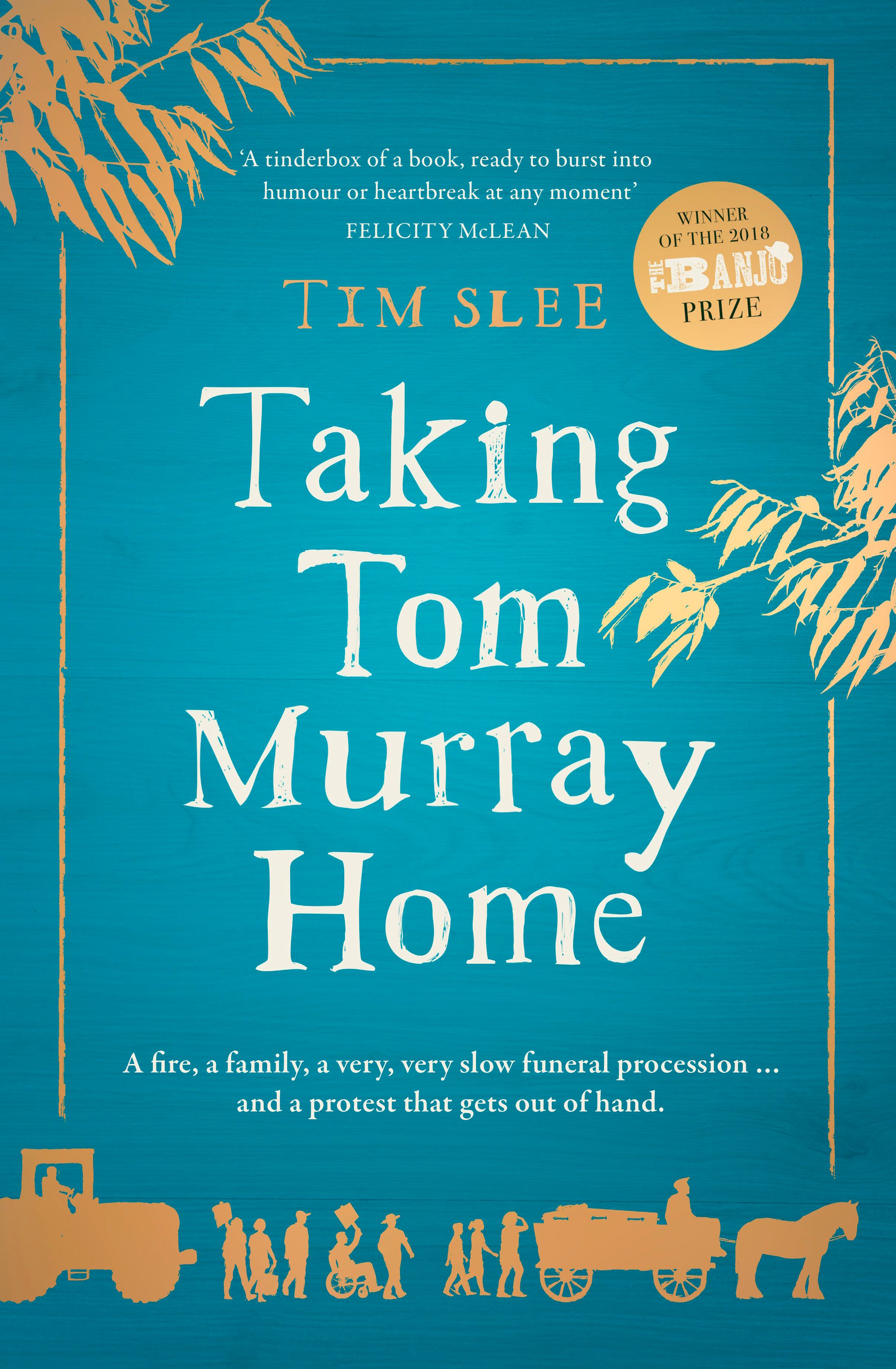
What a wonderful romp of a novel. Yet underlying this glorious road story is tragedy, and the story of farm communities struggling against low prices for their produce. When Tom and Dawn Murray’s dairy farm in western Victoria is lost to a bank, Tom decides to make a statement, burning down the house once the family has vacated it. This all goes horribly wrong, with Tom dying in the fire.
So Dawn, a strong woman who becomes positively formidable as the tale progresses, decides he should be buried near the rest of his family in Melbourne. She also wants to make a statement about low prices for dairy products killing off the industry and accepts an offer from a family friend to load Tom’s coffin onto a horse-drawn carriage, making it a slow – and extremely visible – procession along the Victorian coast.
The story is told by the Murray’s 13-year-old son, Jack, who with his twin sister, Jenny, has analgesia, not feeling pain, nor being able to sweat or cry.
It’s a stirring yarn, with many locals accompanying the police-escorted procession, engendering community support along the way, and not only from dairy farmers. And then other fires start. Banks and supermarkets are attacked in their wake and the fiery contagion spreads to other centres, other states. Slee has used the prevalence of social media as a vital ingredient in this story. Not only does 13-year-old Jenny record the procession on Instagram, using #Burn; but she also starts a GoFundMe appeal linked to a PayPal account, hoping to raise money to pay funeral expenses.
There is a wonderfully generous Australian flavour to this novel. The characters are authentic, there’s Henry Lawson poetry quoted during public speeches, and there’s even an optimistic ending.
Reviewed by Jennifer Somerville



0 Comments