


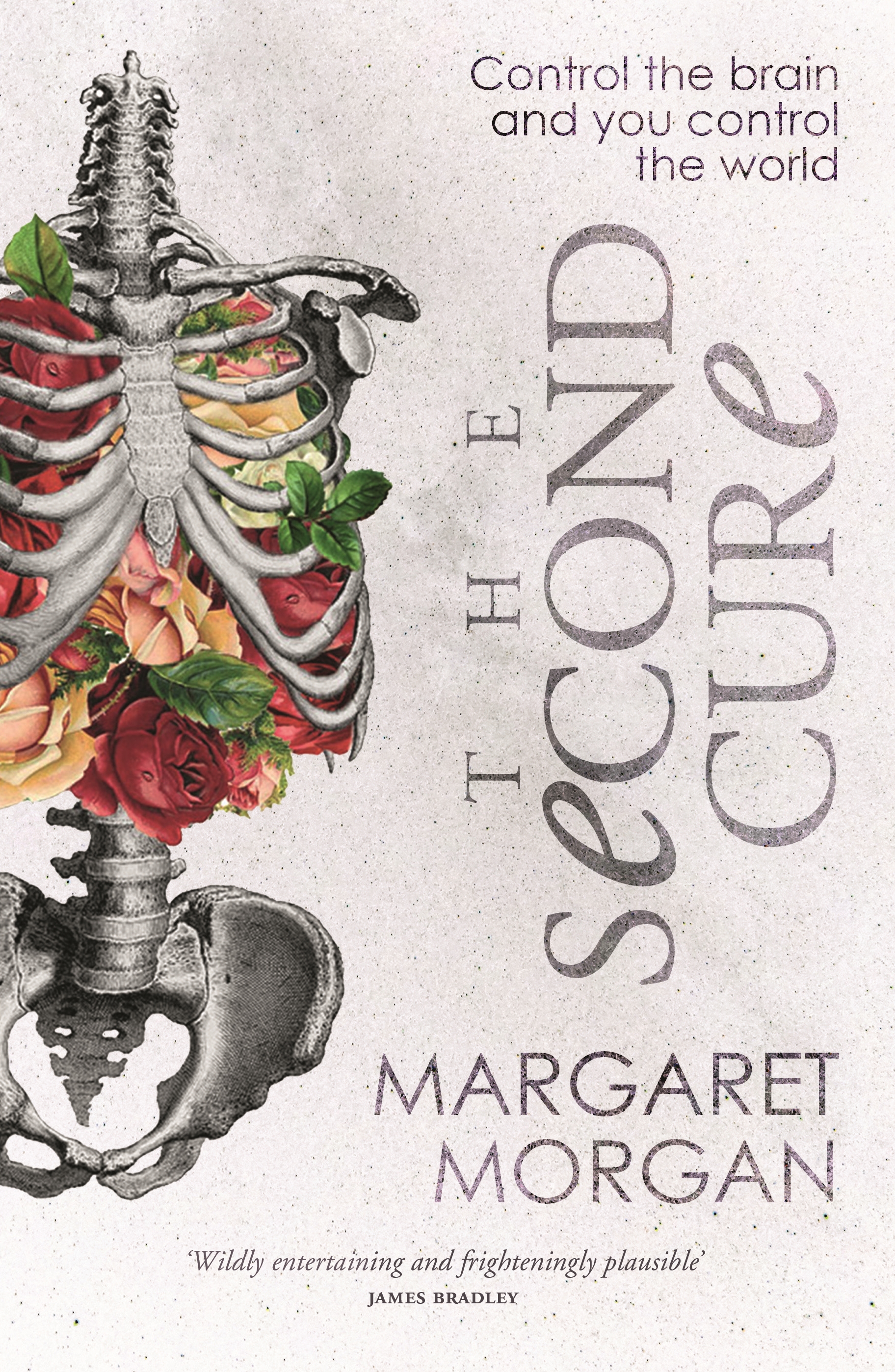
Charlie Zinn is a rationalist, a clear-thinking scientist with a knack for uncovering the deeper secrets of genetic mutations in diseases. She and her research partner have made a breakthrough unlocking the genome for a mutated version of Toxoplasmosis, a parasite that uses cats as hosts. It has mutated into a variant they have named Toxoplasmosis pestis, named for the Great Plague itself.
At the same time, Queensland religious leader, Jack Effenberg, is making a run for Premier, wanting to bring a sense of faith and duty back to what he and his followers see as the degraded, diseased state and country in which they now live.
Just as Charlie’s research paper is about to be published, she notices a spike in reported cases of synaesthesia, where people can see sound as colours. This in turn leads to intense bursts of creativity in those experiencing these symptoms. Others report loss of faith, a general malaise about the future. Others adopt more risk-taking behaviours, daring to challenge themselves sometimes for the better, sometimes for the worst. As Charlie monitors these patterns it doesn’t take her long to make the connection to Toxoplasmosis pestis and discover that the parasite no longer needs cats to ensure its survival. It has found a new host in humans.
Effenberg and his followers race against the clock to shut down the borders of Queensland. Charlie races against time to find a cure. Then the majority of citizens who have contracted the disease express a desire not to be cured, to be left alone to enjoy their creativity and their new-found freedoms.
Margaret Morgan’s background in law, writing and genetics and specifically parasitology all come to the fore in this work. Her novel is a taut and thrilling examination of the near future and the potential Pandora’s Box of genetic variants and mutated plagues. She explores what may happen when we get beyond the realms of what our current level of science can cope with, providing a clear warning about how susceptible humans are to the smallest of parasitic threats as well as the greatest of human ones – the zealots and fundamentalists on all sides.
Reviewed by David Johnson


0 Comments