


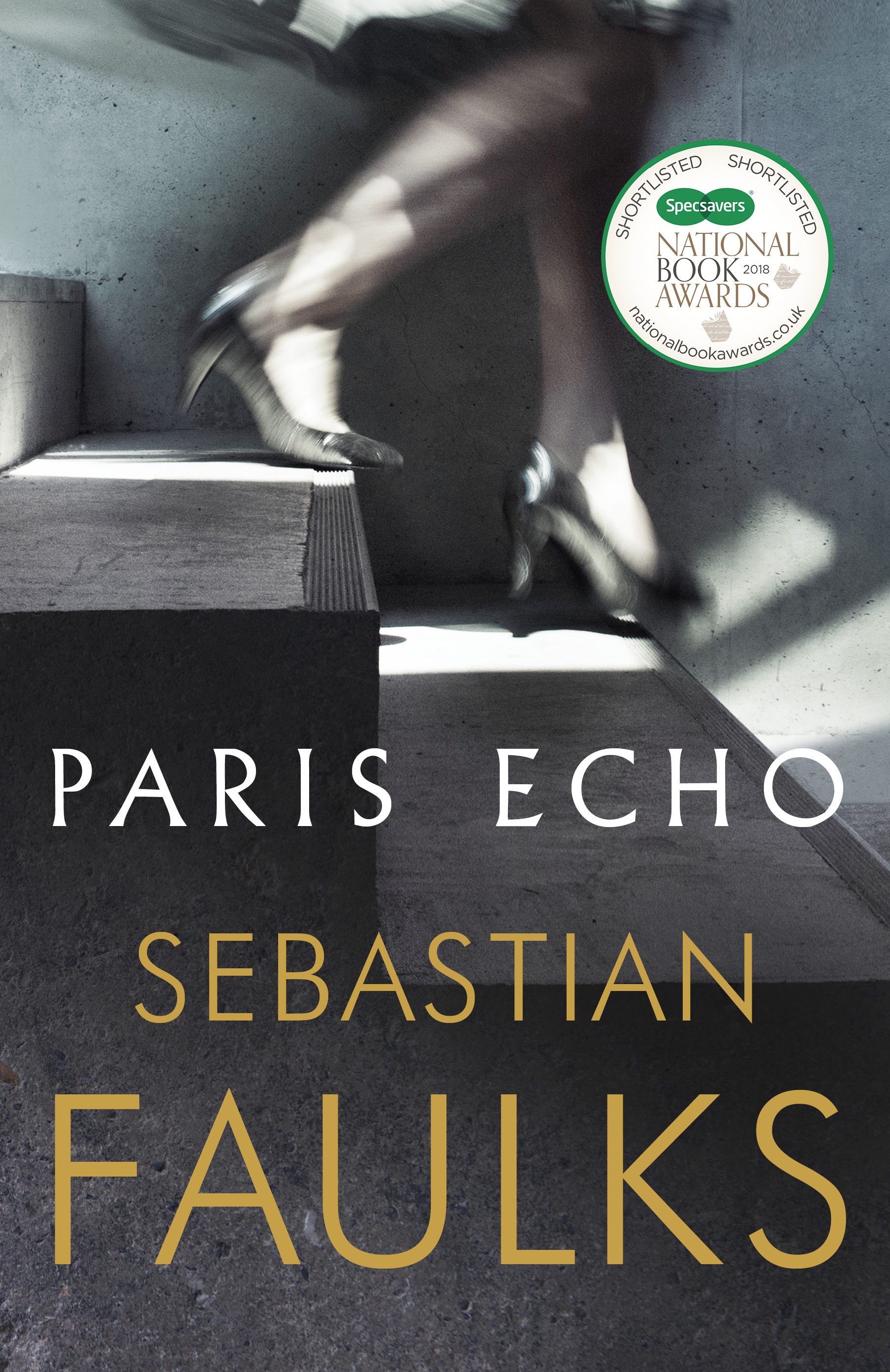
Brace yourself: this is not a kind review! It feels almost heretical to say so, given how much I loved Birdsong and the esteem in which Sebastian Faulks is held.
Paris Echo centres around the lives of Hannah and Tariq, who are living in Paris. Hannah is an American academic on a fellowship to research women’s lives during the German occupation in the 1940s. Tariq is a 19 year old from Morocco who illegally stows away on a quest for adventure and to learn about his dead French mother. Hannah and Tariq’s lives soon become intertwined and Hannah begrudgingly allows Tariq to lodge in her apartment. The novel charts their personal journeys as they navigate the city and learn the nuances of its history.
It’s these two central characters that pose the biggest problem for the novel. The chapters alternate between Hannah’s and Tariq’s point of view. But their voices are largely indistinguishable. Tariq is particularly flawed; I was frequently conscious that his dialogue and thoughts had been composed by a middle-aged man. Faulks never manages to bring either of these characters to life and, as a result, I was pretty much unmoved by anything these characters did.
The best parts of this novel are the transcripts of women talking about their lives during the war, uncovered through Hannah’s research. These women’s stories leap from the page as they describe the morally murky waters around collaborating with and resisting the Germans.
If you want to explore the themes of this book – loneliness, identity, empire – a more satisfying read is Michelle de Kretser’s A Life to Come. Like Faulks, she also explores the Paris police’s massacre of Algerians in 1961.
Paris Echo might satisfy Faulks’s legion of existing fans, but there’ll be plenty of other readers who, like me, will only be disappointed.
Reviewed by Louise Falconer



0 Comments