


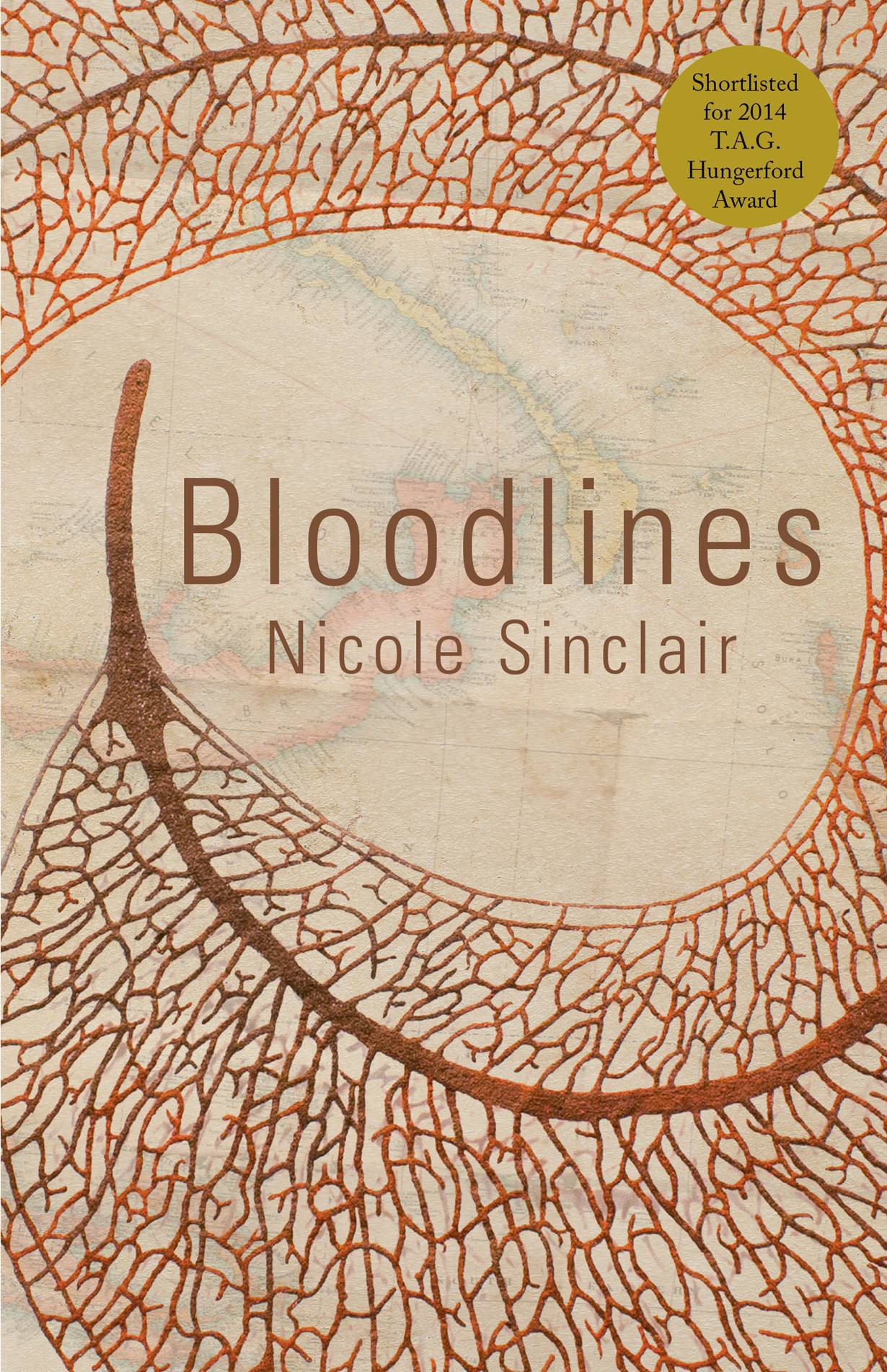
What constitutes a family? This novel, by an author who has lived on one of Papua New Guinea’s islands and who now calls Western Australia home, explores the different combinations of people that are family.
Beth, who grew up in WA’s wheatbelt, is running from her unspecified past when she travels to a PNG island to teach at a Catholic school run by her father’s cousin, Val. The novel has been structured so that Beth’s story is interspersed with the glorious love story of Rose and Clem, Beth’s parents. Tragedy is hinted at in Val’s memories of them, just as it is in Beth’s memories of her time with her lover, Sam. Each of those stories is finally told later in the novel.
Nicole Sinclair doesn’t flinch from depicting PNG life just as it is – far from the deserted romantic beaches and gently swaying palm trees that Beth had imagined. This reality check includes potholed roads – a remnant of World War II damage – to the bright red patches of betelnut spit, dog shit and piles of fetid food scraps around which Beth picks her way at the local market.
She has already been warned to make sure she’s back at her house before dark, not to drive at night, not to trust the men (raskols) and to be aware that many local husbands beat their wives. (The glossary of pidgin words at the back of the book is invaluable.)
Val’s family consists of her school, the children, her teachers and the community. She likes to drink gin, chat to Jesus, and she wisely realises that, for many expatriates, it takes more courage to go home than to stay.
The island people have their own family stories, and they make Beth more aware of her own home and family, and how to return to them.
Reviewed by Jennifer Somerville


0 Comments