


‘If he were to move there was the chance he might fall, perhaps this time to his death, there was no way to know, and for a long time his fear of the unknown kept him locked in place and counting; come, come, come, was it beckoning him over the precipice?’
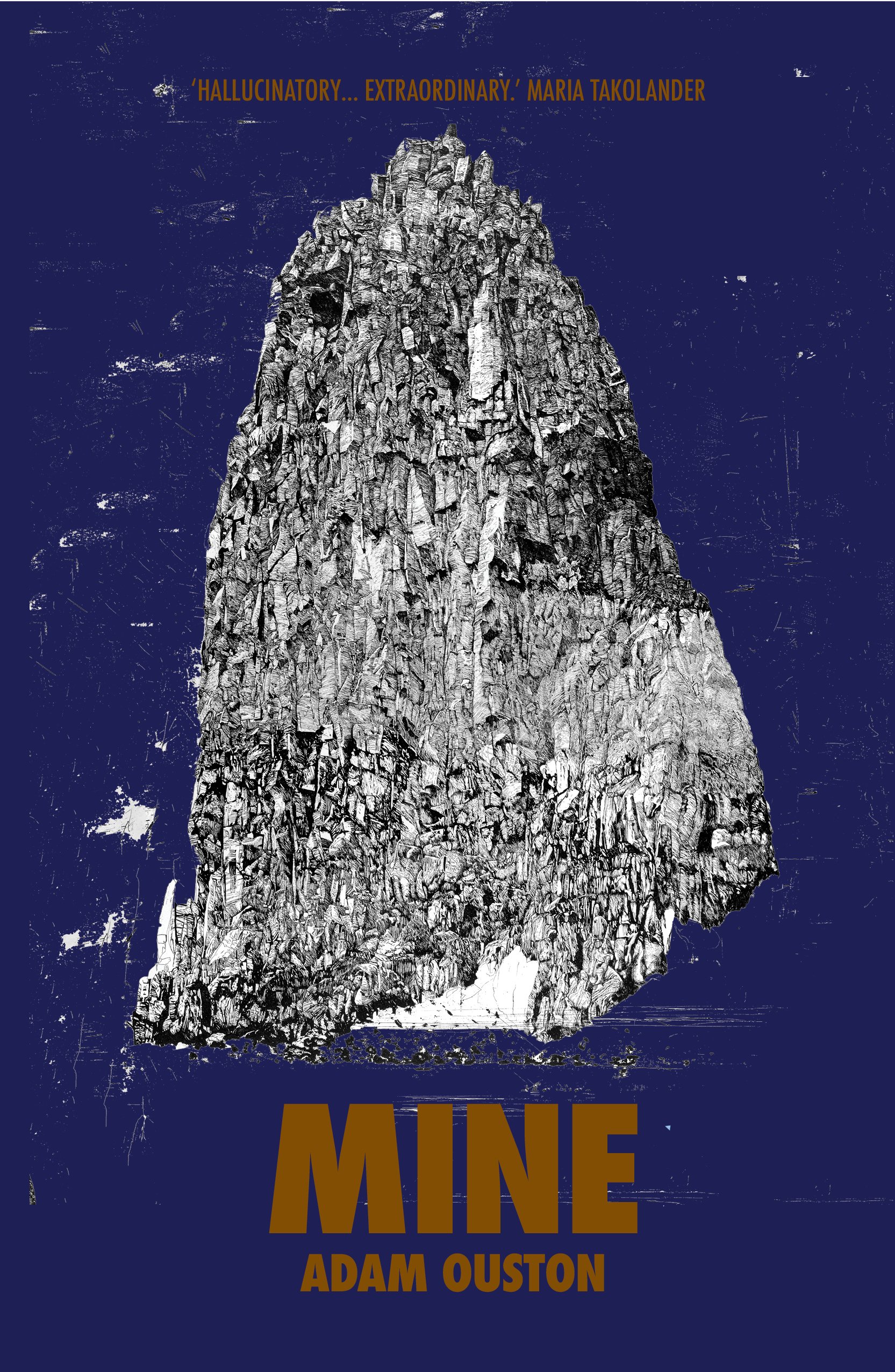
While searching for inspiration for what will be his final work, an unnamed poet and defender of Tasmania’s wild places finds himself trapped down an abandoned mine in the island’s mountain rainforests. In the darkness he is visited by memories and voices both from his own past as well as the tortured history of the pillaged landscape to which he has devoted his life and work. Lost in a fever dream, in a single sentence that carries the reader effortlessly along, the poet journeys through a kaleidoscope of Tasmanian history, mining lore, hauntology, poetry, rain and rainbow trout, drilling deep into the contemporaneous horrors of the North Mount Lyell disaster and Mawson’s expedition becoming trapped in Antarctic pack ice.
An unparalleled reading experience, Mine is at once wondrous, terrifying and haunting; a story of environmental vandalism and exploitation as well as a luminous paean to the beauty which persists in a world spinning out of control.
‘A wild, ecstatic howl of a book, dense with ideas and emotion and written with a ferocious energy as mesmerising as it is exhilarating.’ James Bradley
‘Comprised of a single sentence, telling a tale that is both historical and hallucinatory, Adam Ouston’s extraordinary novel is best described as an experience a singular take on Tasmania’s past of environmental violence, as well as a call to heed the earth’s magic.’ Maria Takolander
‘Ouston takes antipodean Oulipianism into new terrain, unfurling digression and conjuring connections while maintaining the restraint of a single sentence. The formal restriction is integral, simultaneously evoking the narrator’s claustrophobic physical setting while creating room for the spiralling thought-patterns of a mind out of time, travelling everywhere in the terrifying present.’ Michael Winkler

0 Comments