


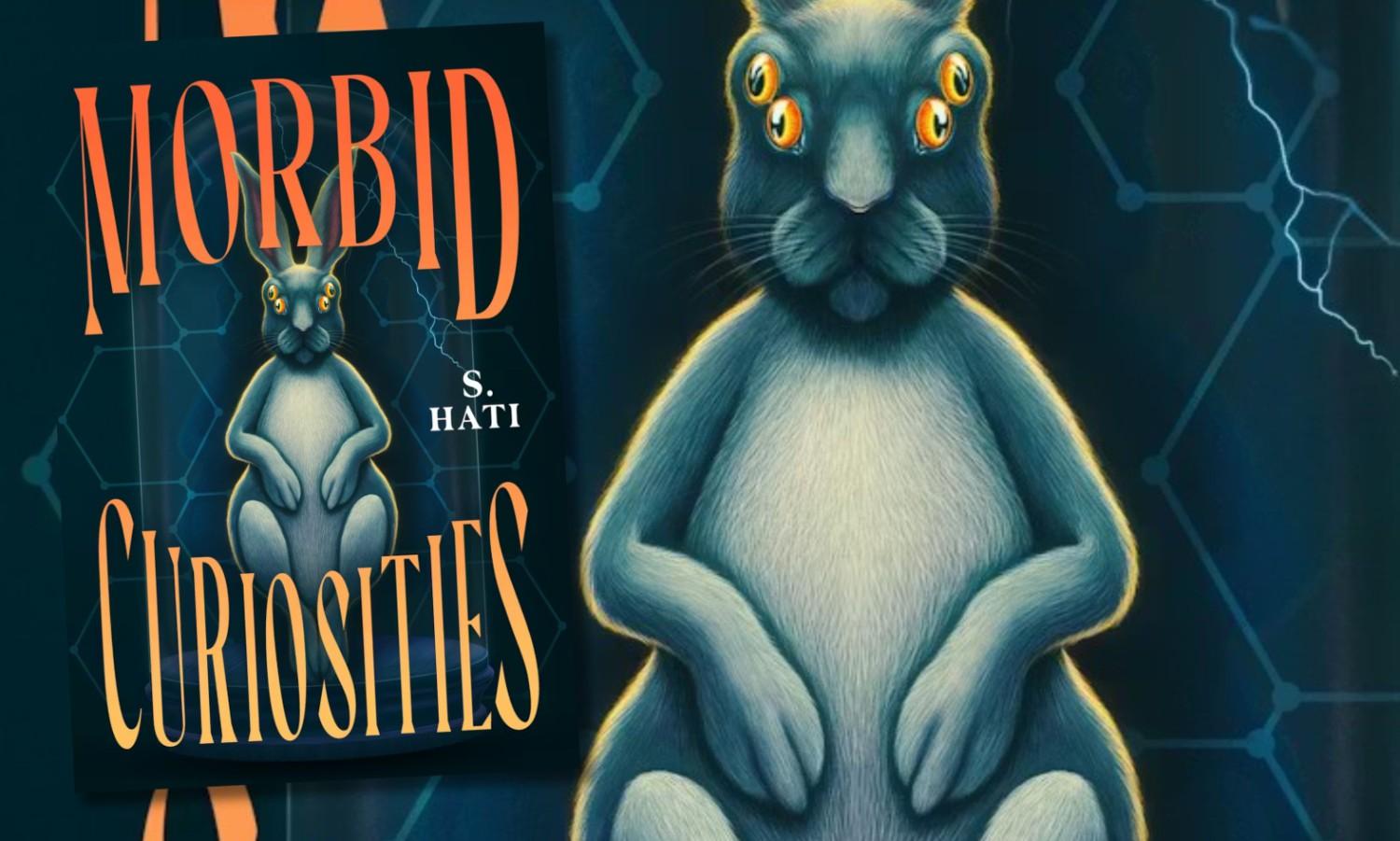
From S HATI, author of And the Sky Bled, comes a new young adult thriller. In Morbid Curiosities, an ambitious teen enrols at an elite science institute, but as rumours of mutated flora and fauna in the nearby city circulate, Aarya has to decide which of her classmates she can trust.
Read on for a Q&A with the author.
MEET S HATI
What sparked the idea for Morbid Curiosities?
I’ve always wanted to write a science thriller, but being back in school for my Masters really let the seeds take root. I was reminded of my high school years and reflected on how much I’d pinned my self-value on my academic accomplishments. So while this book tackles themes of ethics in human experimentation and the exploitation of BIPOC bodies, it’s also a look at the obsessive pursuit of knowledge, and finding one’s worth outside of academic and capitalist institutions.
This book is described as ‘dark academia’, which is an aesthetic usually associated with classical studies like literature and history? Why did you decide to incorporate STEM subjects?
I love the classical studies-centered dark academia novels, but I’ve always felt like the lack of STEM representation was a missed opportunity. Science can have such a creepy, unsettling aesthetic and I wanted to explore that. Moreover, true dark academia, in my opinion, should explore academic and institutional inequities, and these are prevalent throughout the history of scientific study. When we look at the weaponization of science and the legacy of exploitation in human research, STEM dark academia feels like an area begging to be interrogated.
Have you always been interested in scientific studies and genetic experimentation? What was your research process for Morbid Curiosities?
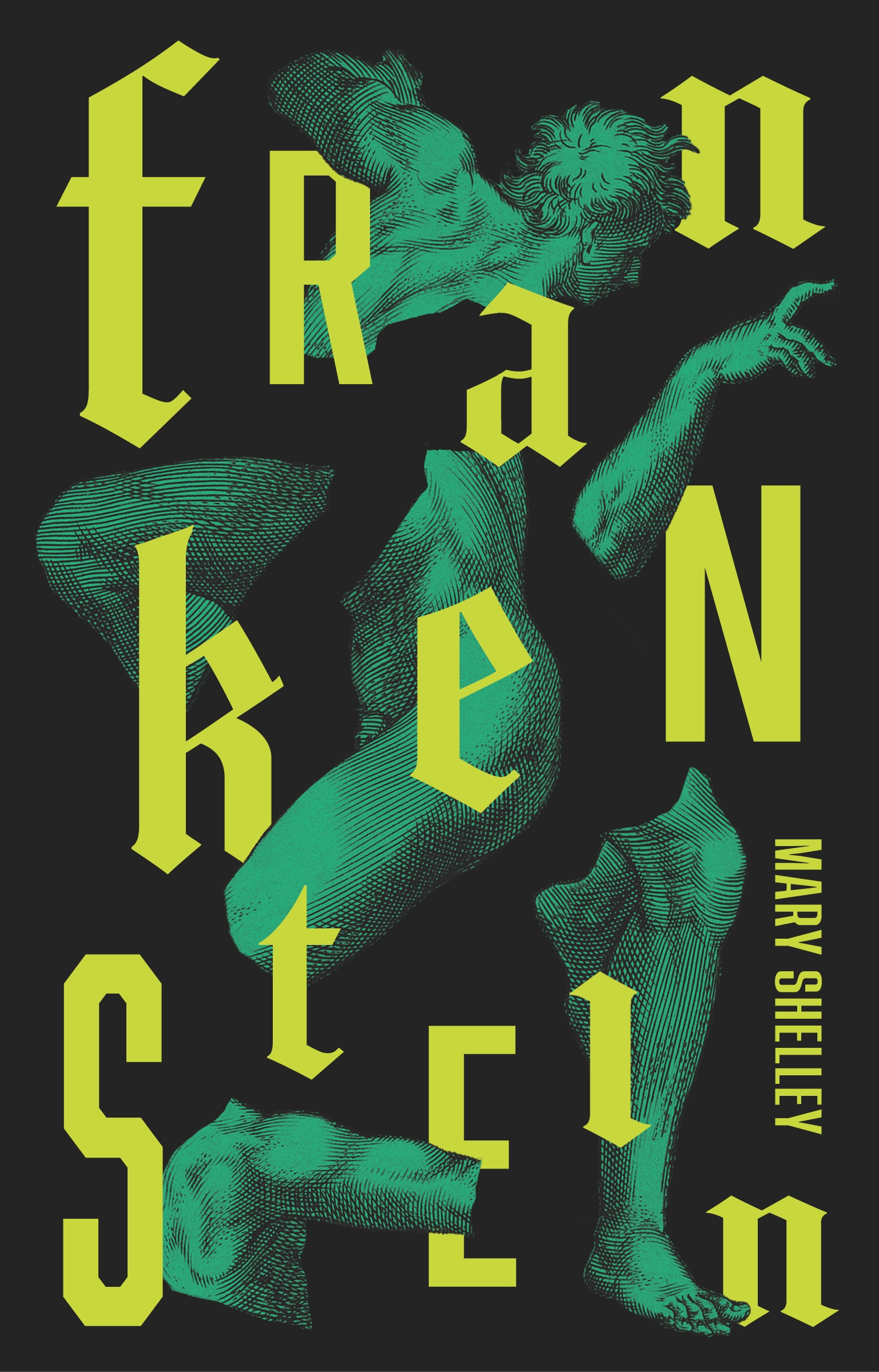 Yes I have! I got my undergraduate degree in microbiology, immunology, and molecular genetics, and my graduate degree in biotechnology. I started conceptualizing Morbid Curiosities towards the end of my Masters degree so a lot of the initial ideas sparked from papers I was reading for school. I continued to seek out research papers for inspiration, and also read a lot of books. Some of the critical ones included People’s Science: Bodies and Rights on the Stem Cell Frontier by Ruha Benjamin, The Telomere Effect by Elissa Epel, Junk DNA by Nessa Carey, and The Double Helix by James D. Watson. Also, I found this old, beautiful edition of Frankenstein by Mary Shelley and read bits of it in a small booth in my local library as a “warm up” before writing. It was really immersive!
Aarya is an extremely ambitious character who has worked hard to get into the Elizabeth Institute, but all that changes when she receives mysterious threats in the mail. It’s a tricky situation for a teen, so how did you tackle the question of ‘following your dreams no matter what’ verses knowing when it better to look at the big picture – as this question will probably be very relevant to all the driven STEM majors out there.
It is so hard because I was that student! I believed that nothing was more important than my academic accomplishments, and that they were a direct reflection of my value (healthy, I know). To be honest, writing this book was an exercise in working through those thoughts and questions: what is the cost of ambition? What – if any – kind of sacrifice is worth the rewards of knowledge? Aarya has her extreme stance on the matter, but I put her around students who have other relationships to the Institute and what it means to them. These are all extremely smart, hyper-competitive teens who have, in some way, been reduced to the doors that their brains can open. But that doesn’t mean they’re all the same. Each character is meant to provide a perspective, and together they’re able to uncover what they’re missing in their views of themselves and the world around them.
Science being used as a weapon by those with money and resources feels like a timely topic for our modern age of AI and climate change deniers. Were there any specific inspirations that fuelled the social commentary in this book?
Absolutely. I was inspired by several historical examples of exploitation in the name of science – the Coventry experiment, Henrietta Lacks, the Rawalpindi Mustard Gas Experiments, the Tuskegee Study – I could go on. I was also fuelled by microaggressions my BIPOC peers and I faced while volunteering at hospitals and in labs, including the time I was assumed to be a translator, and not a pre-med student like my white peers. Science is a weapon, and I’ve spent a lot of time thinking about who gets to wield it and the optics of power, and channelled a lot of that into this book.
 Without too many spoilers, could you describe the rivals-to-lovers romance in this book?
It was one of my favourite things to write! Every student in the cohort is extremely competitive but these two single each other out due to a prickly debate situation early on in the book. They’re both extremely smart and very stubborn, and light sabotage is not beneath them. There are late nights at the library, nerdy banter, and eventually, begrudging, reluctant respect. As for how that evolves…you’ll have to read to find out.
Would you class Morbid Curiosities as a thriller or horror (or both?) and what is your favourite thing about writing unsettling imagery?
It definitely straddles the line between thriller and horror but I’d say the lack of clear supernatural/unnatural elements probably puts it more in the realm of thrillers. That being said, there are speculative elements so it’s definitely a grey area.
To be honest, writing unsettling imagery is so fun because I get to try to make readers feel a lot of my intrusive thoughts. I’ve always had an overactive imagination – as a kid, I’d have the worst nightmares, and they’d bleed into the shadows of my bedroom at night. A lot of that imagery and fear has stuck with me as an adult and I’m always trying to capture the creepy, unsettling things that happen in my brain on paper.
Could you describe this book in three words?
Nerdy, twisty, romantic.
What’s next for you? Any projects on the horizon?
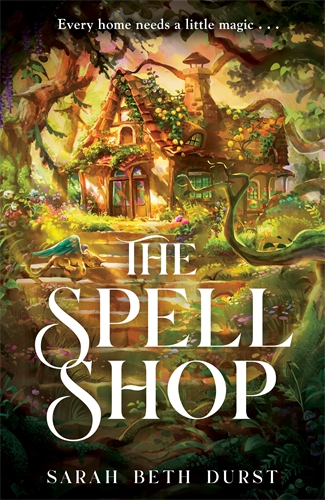 My next book is The Carousel of Forgotten Places, an adult romantasy, and it comes out on August 25th! It’s for fans of Emily Wilde and The Spellshop and follows an immortal timekeeper who teams up with her annoying (and hot) time god boss to save the space-time continuum. It also features a magical fairground, mischievous ghosts, and lite-physics-based time magic. It’s about love in all its forms – platonic, familial, and romantic – and is a meditation on the bittersweet ache of growing up and letting go.
My second YA novel, which I haven’t announced yet, comes out in January 2027, and sits in a very similar space as Morbid Curiosities. Although to your previous question this one might be a little more horror than thriller!
ABOUT THE AUTHOR
 S Hati writes speculative fiction about brown girls in strange worlds that straddle the line between magic and science. She is the author of And the Sky Bled, a starred-review cli-fi fantasy; Morbid Curiosities, a YA thriller; and The Carousel of Forgotten Places, an adult romantasy.
Visit the publisher’s website here.
0 Comments